


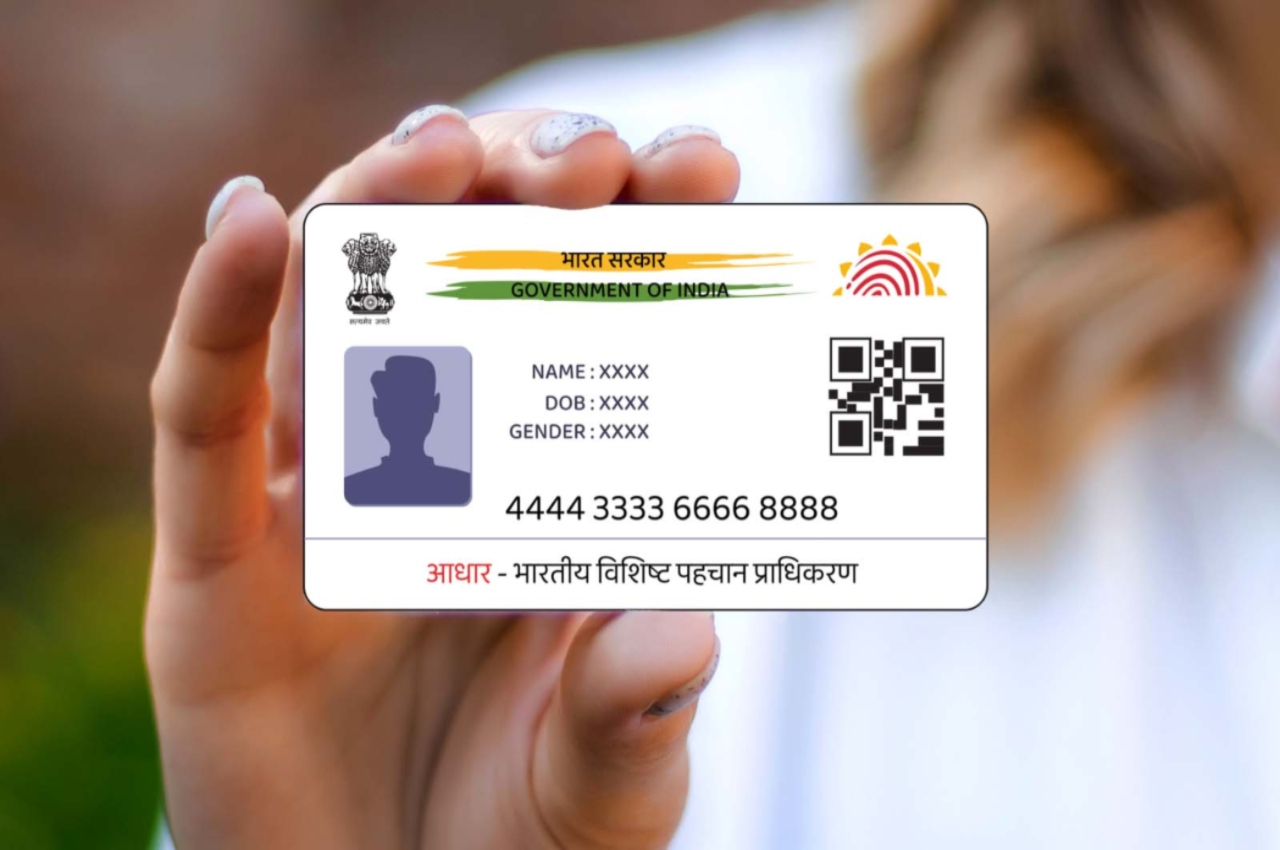
Aadhaar Safety Tips: In our current digital world, identity documents are more crucial than ever. Aadhaar is utilized in various places, including banking, government programs, SIM card applications, and many online services. Consequently, cyber criminals are increasingly targeting Aadhaar-related information. Occasionally, individuals make minor errors without realizing it, leading to their personal data falling into the wrong hands.
As a result, the chances of fraud and banking scams rise. Thus, safeguarding your Aadhaar information and taking specific precautions is essential. If you wish to secure your Aadhaar data and thwart scammers from accessing it, it’s vital to remember a few key points. Familiarize yourself with these important tips.
Use masked Aadhaar
When you need to present your Aadhaar card for identification purposes, it’s advisable to utilize a masked Aadhaar card rather than disclosing all your details. This feature, offered by UIDAI, conceals the first eight digits of your Aadhaar number, leaving only the last four digits visible. This allows for identity verification while keeping your information private.
A masked Aadhaar is regarded as a safer choice, particularly when reserving hotels, purchasing tickets, or for general verification purposes. It safeguards your privacy and prevents anyone from misusing your complete Aadhaar number. You can easily download it from the UIDAI website, and it is recognized as valid identity proof.
Many people unintentionally share their Aadhaar card photos or details on social media, email, or messaging platforms. This carelessness can later become a major problem. Cybercriminals can use this information to open fake accounts or commit identity fraud. Therefore, try not to upload your Aadhaar card photos or details on any public platform. If you must provide a copy of your Aadhaar to an organization, be sure to verify its authenticity first. Never enter your personal information on unknown websites or suspicious links. A little caution can save you from serious trouble.
Do not share OTP with anyone
Another common method of cyber fraud is when fraudsters, posing as bank officials, customer service personnel, or government employees, call or text people and ask for their OTP. Many people trust them and share their OTP, allowing criminals to misuse their data. It’s important to understand that no genuine bank, government department, or official institution ever asks for an OTP via phone, text, or email. The OTP is a strictly private security code and should not be shared with anyone. If someone asks for such information, be alert immediately and ignore the call or message.
Biometric locking is also necessary
The most sensitive information associated with Aadhaar includes biometric data, such as fingerprints and iris scans. If this information falls into the wrong hands, it could be vulnerable to misuse. To prevent this, UIDAI offers a biometric lock feature. Once this feature is activated, no one can access your biometric data without your permission. It can also be temporarily unlocked if needed. This simple step helps keep your identity and personal information significantly secure and significantly reduces the risk of Aadhaar-related fraud.