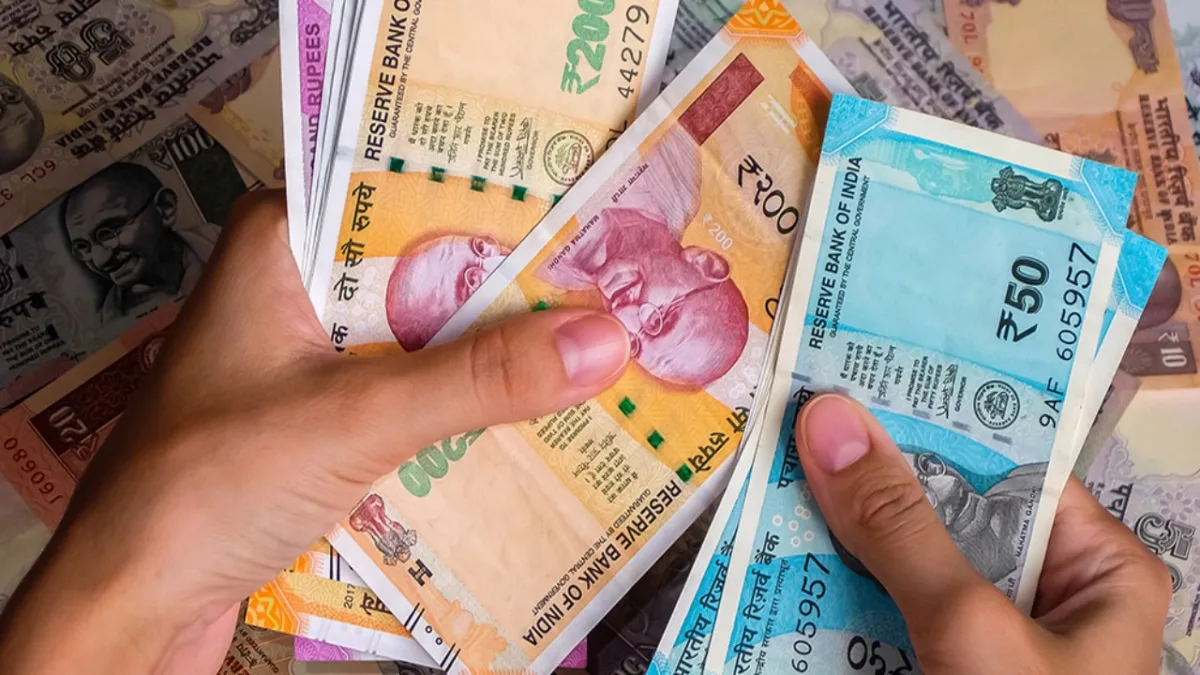
The Central Government recently announced that the 8th Pay Commission will be put into action, bringing smiles to the faces of central employees. However, it’s expected that the actual implementation won’t happen until January 2026. Before that, a team will be set up to prepare a report for the government. In this article, we’ll dive into what the salary structure for employees and pensioners might look like after the 8th Pay Commission rolls out, and how the Fitment factor could be a game changer.
Exciting news about the 8th Pay Commission
Right now, central employees are receiving their salaries based on the 7th Pay Commission. With the 8th Pay Commission coming into play, there’s a good chance that the minimum salary for employees will see a significant boost. While there were hopes for a committee to be formed soon, it’s anticipated that the central government might announce the names by the end of this month.
Understanding the salary structure with the Fitment factor
The Fitment factor acts as a multiplier to enhance the basic pay. In the 7th Pay Commission, it was set at 2.57. If the Fitment factor is adjusted to 2, the basic salary for central government employees could jump to Rs 36,000, which is a whopping 100% increase. Additionally, if the Fitment factor remains at 2, the minimum basic pension could rise to Rs 18,000.
With a fitment factor set at 2.08, the lowest basic salary for central government employees will jump to Rs 37,440, marking a whopping 108 percent increase. Additionally, if the fitment factor remains at 2.08, the minimum basic pension could rise to Rs 18,720.
As for when the 8th Pay Commission salaries will kick in, central employees and pensioners will need to hang tight a bit longer. A committee will be established first, and once they finish their work, they’ll present their findings to the central government. It’s expected that the 8th Pay Commission could roll out in January 2026.
Latest News
- Apple MacBook Neo Deal Alert: Get It For Under ₹58,000 on Amazon Right Now

- Pakistan Attack: आत्मघाती हमले से दहला पाकिस्तान, 23 लोगों की मौत, 50 से ज्यादा घायल, जानें

- Honor Magic 9 Series Leaks: Flagship Upgrades with Massive 8,000mAh Battery and 200MP Cameras

- Motorola Edge 60 Fusion Review: Mid-Range King or Outdated?

- FD Update– Breaking Your FD Early? Know the consequences

- Bank Holiday–RBI Announces Closure of SBI, HDFC and All Banks Next Week, Save the Dates

- Samsung Galaxy S26 Ultra Amazon Deal – Get ₹23,509+ Discount with Bank Offers and Exchange Benefits

- Best Scooters For College Girls 2026 – Perfect Mix Of Mileage, Style And Lightweight Design

- Kodak Matrix QLED Google TV 2026 Series Launched in India Just Under 10,999

- Senior Citizen FD Rates: सीनियर सिटीजन को यहां से मिल रहा बंपर ब्याज, जल्द करें निवेश