


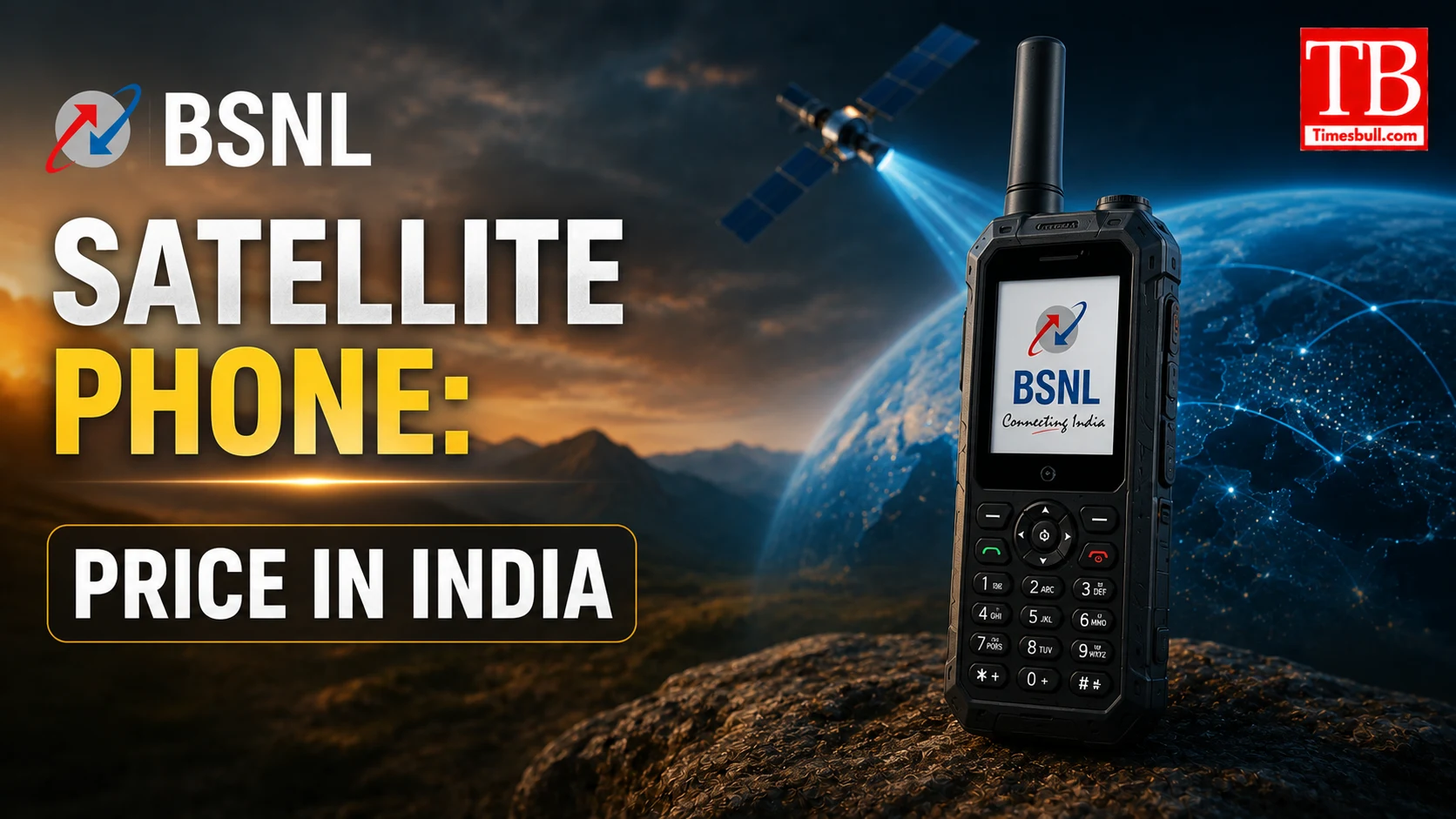
BSNL Satellite Phone: Price in India
BSNL has launched its new satellite phone in India at a price of ₹1,34,166 . This price is much higher than most smartphones available in the Indian market, but it is justified by the advanced satellite technology the device uses. Unlike regular phones that connect to nearby mobile towers, this device directly connects to satellites orbiting the Earth. This is the reason why it can work in areas where mobile towers are not present, and why it comes at a premium price tag.
It is important to note that the price of the device does not include the cost of satellite calling plans. Users will need to subscribe to a separate satellite calling plan offered by BSNL to use the voice calling and messaging features. The exact tariff plans for satellite calls have not been detailed yet, but they are expected to be significantly higher than regular mobile plans, given the advanced technology involved in satellite communication.
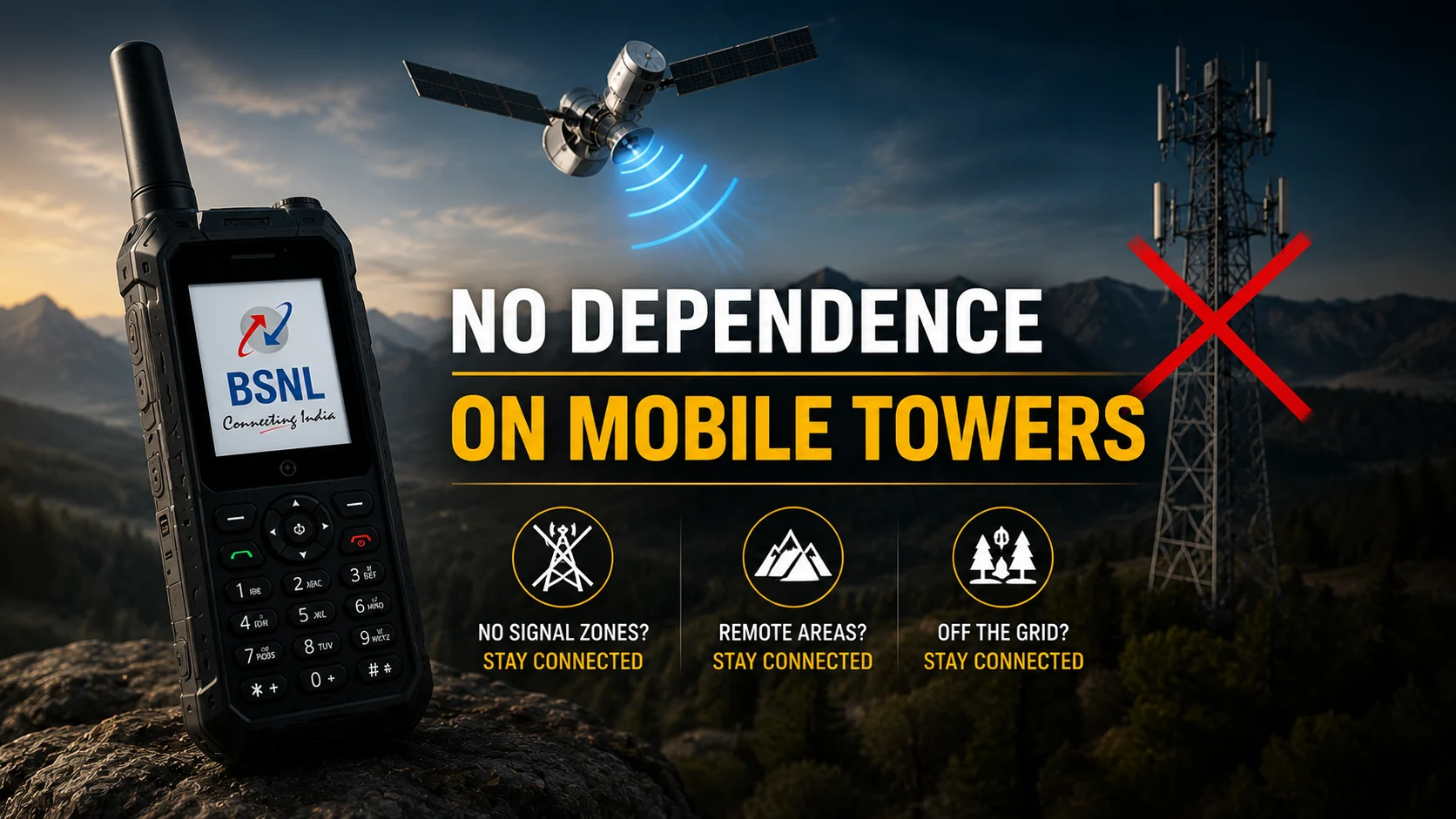
No Dependence on Mobile Towers
The BSNL satellite phone is designed for areas where regular mobile networks do not work. Instead of relying on mobile towers, this device directly connects to the satellite network. This is the reason why it is being considered a more reliable device compared to a regular smartphone. Whether you are in the middle of the ocean, deep inside a forest, or at a high-altitude mountain location, this phone ensures that you can stay connected.
This feature is particularly important for emergency responders, disaster management teams, and people working in remote locations. In situations like cyclones, earthquakes, or floods, mobile towers often get damaged and networks go down. In such scenarios, a satellite phone becomes the only way to communicate with the outside world, coordinate rescue efforts, and call for help.
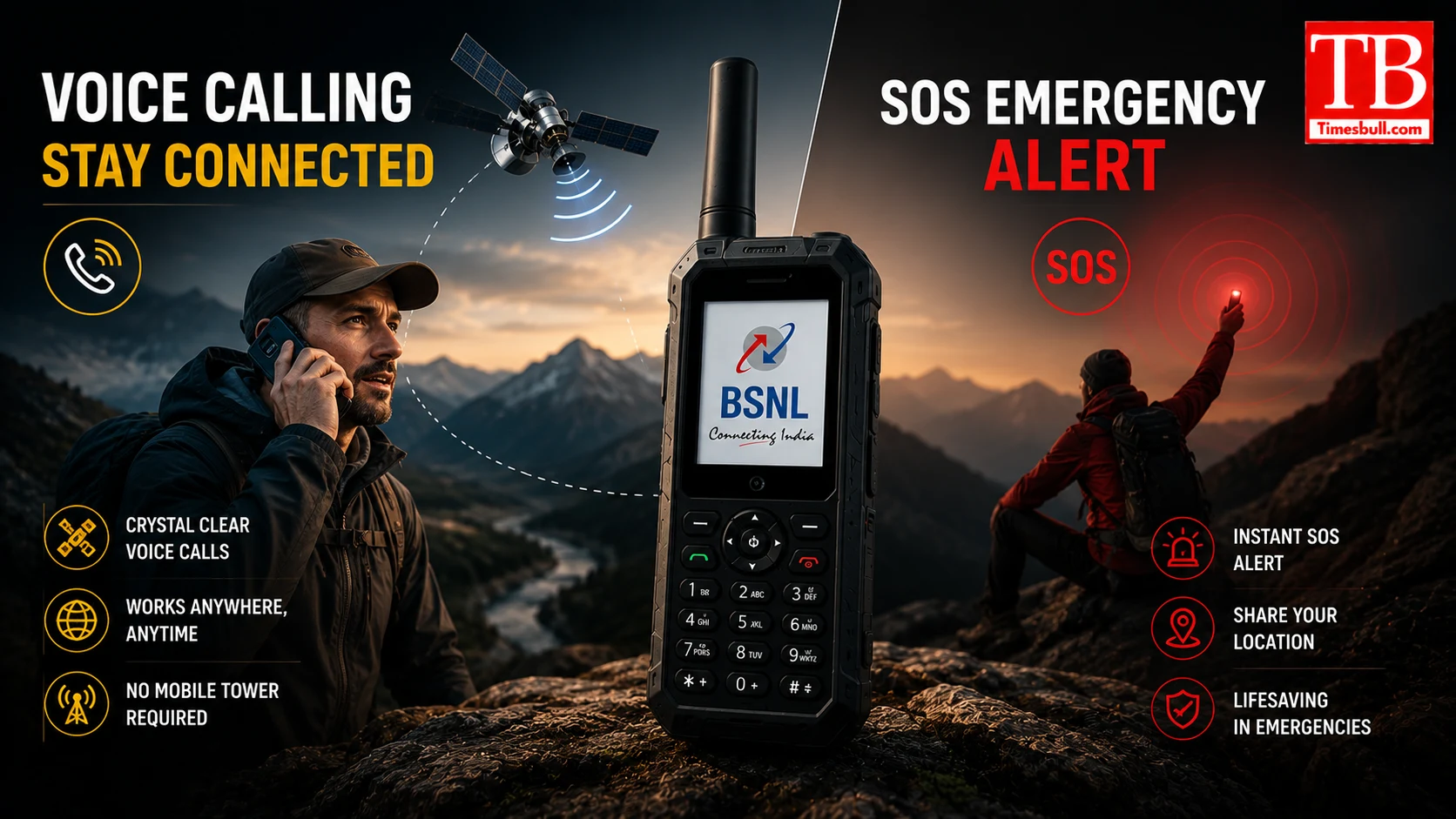
Voice Calling and SOS Emergency Alert
This satellite phone comes with voice calling functionality, allowing users to make calls even when mobile networks are unavailable . This feature is especially useful for those who work in areas where network coverage is often unavailable, such as offshore oil rigs, ships, remote mining sites, and dense forests.
Additionally, the phone also includes an SOS Emergency Alert feature. In case of any emergency, the user can press a single button to immediately send an alert to pre-set emergency contacts or relevant agencies . This feature can prove to be extremely helpful during natural disasters, accidents at sea, or any other crisis. The SOS alert typically includes the user's location coordinates, allowing rescue teams to reach the exact spot quickly. This can be a lifesaver in critical situations where every second counts.
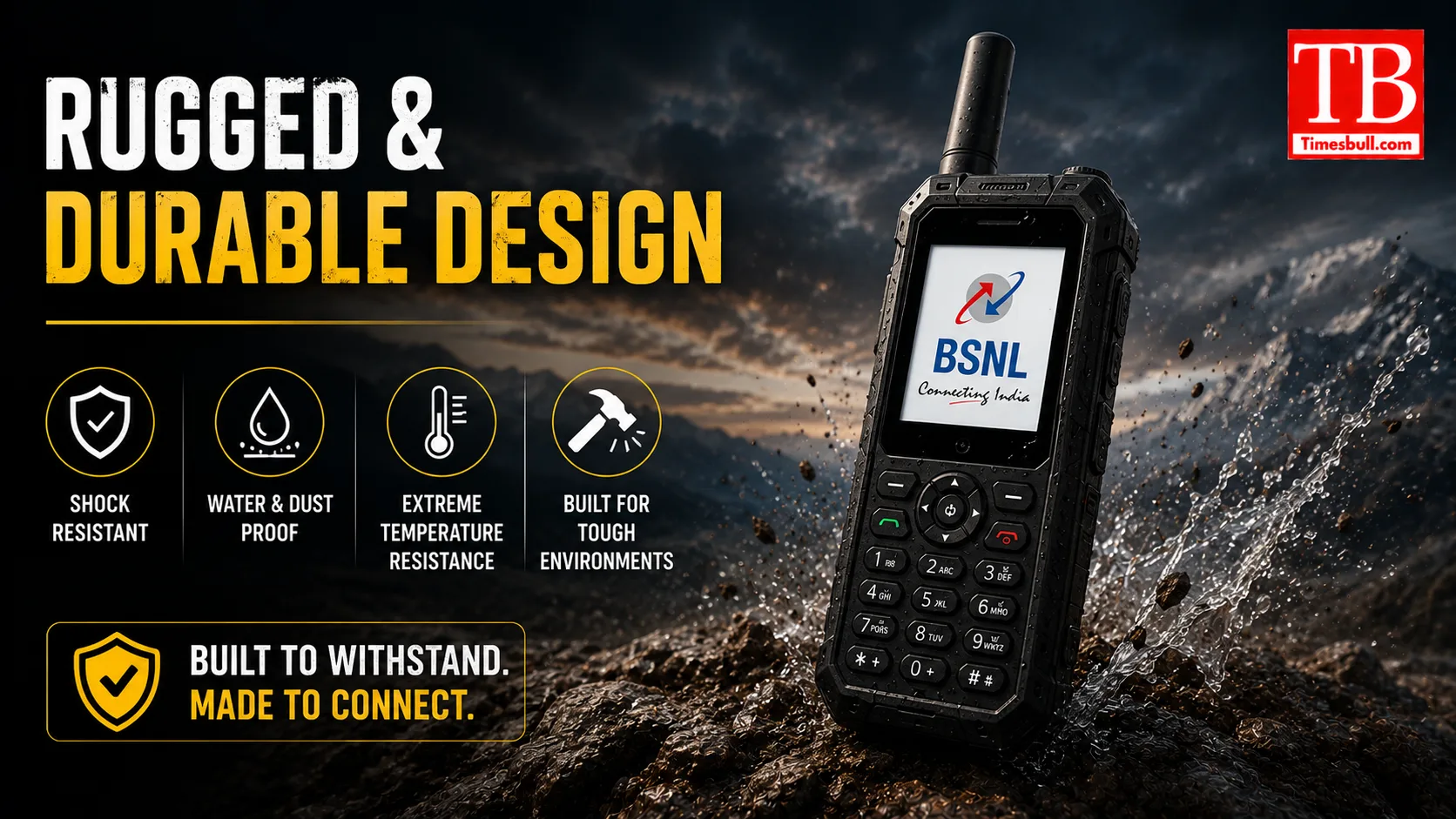
Rugged and Durable Design
The phone has been built with a rugged design, meaning its body is strong and durable so that it can be easily used in tough conditions. Whether you are trekking in the mountains, surveying in forests, traveling at sea, or working on construction sites, this device is considered much safer and more reliable than a regular phone.
The rugged body is typically dust-proof, shock-resistant, and water-resistant, ensuring that the phone continues to work even after being dropped, exposed to rain, or subjected to harsh environmental conditions. The buttons are designed to be large and tactile, so they can be pressed even while wearing gloves. The device is also likely to have an IP rating (Ingress Protection) for water and dust resistance, though the exact rating has not been specified yet. This makes it an ideal companion for those who work in extreme environments.
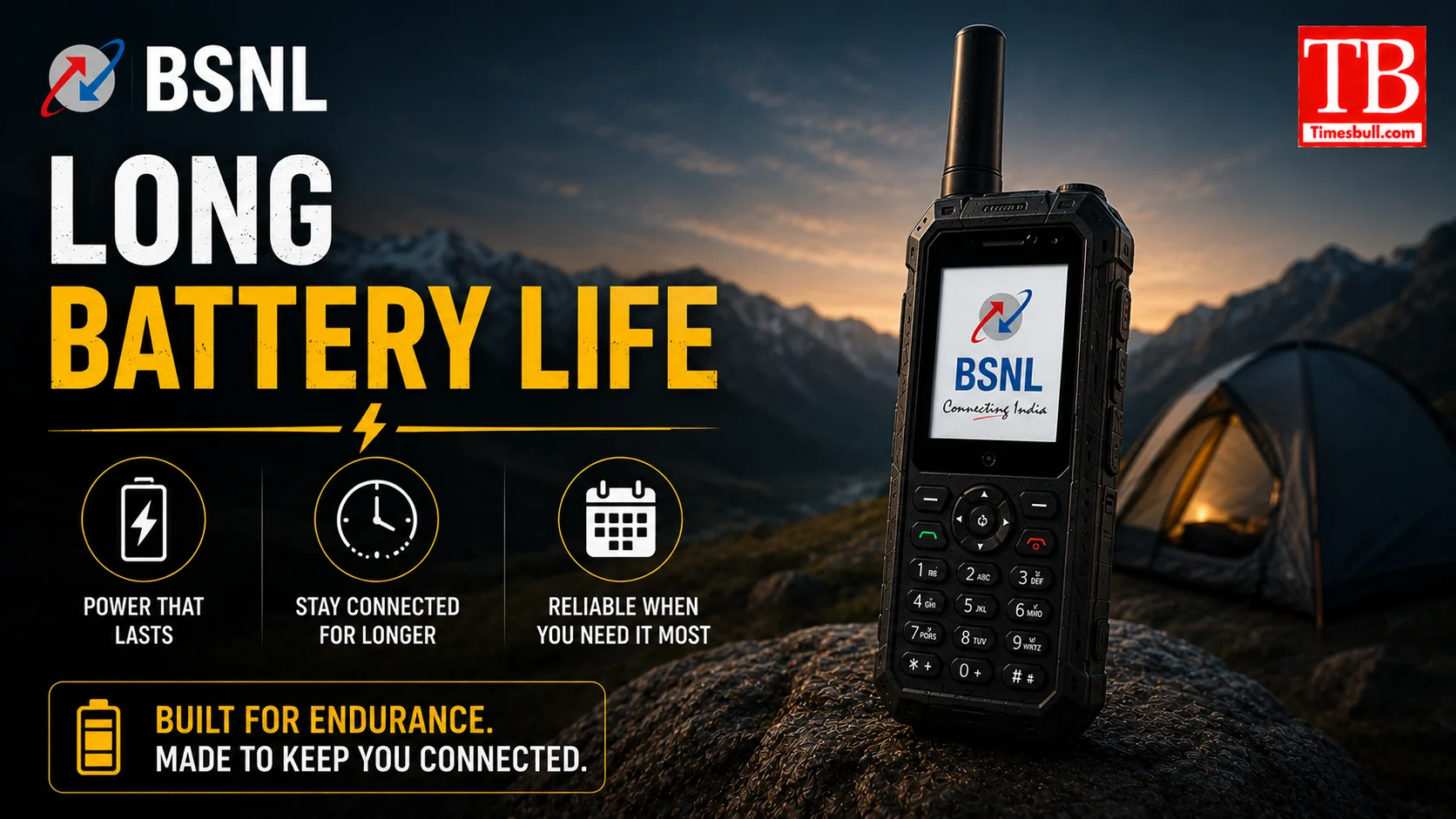
Long Battery Life
Another important feature of the BSNL satellite phone is its long battery life . The company has equipped this device with a high-capacity battery so that users do not need to charge it frequently. This feature is crucial for people who stay away from electricity facilities for several hours or even several days.
Satellite phones typically consume more power than regular phones because they need to maintain a constant connection with satellites. However, BSNL has ensured that the battery life is optimised to last through extended usage. The exact battery backup time has not been officially revealed, but satellite phones generally offer several hours of talk time and several days of standby time. This ensures that the device remains operational during long expeditions or rescue operations where charging may not be possible.
Who Is This Phone For?
The BSNL satellite phone is not for everyone. It is designed for specific use cases where regular mobile networks are unavailable or unreliable. This includes:
Sailors and fishermen working in the middle of the ocean
Forest officers and wildlife researchers working in dense forests
Mountaineers and trekkers in high-altitude regions
Disaster management teams during natural calamities
Defense personnel operating in remote border areas
Construction workers at remote infrastructure sites
Journalists covering stories in inaccessible regions
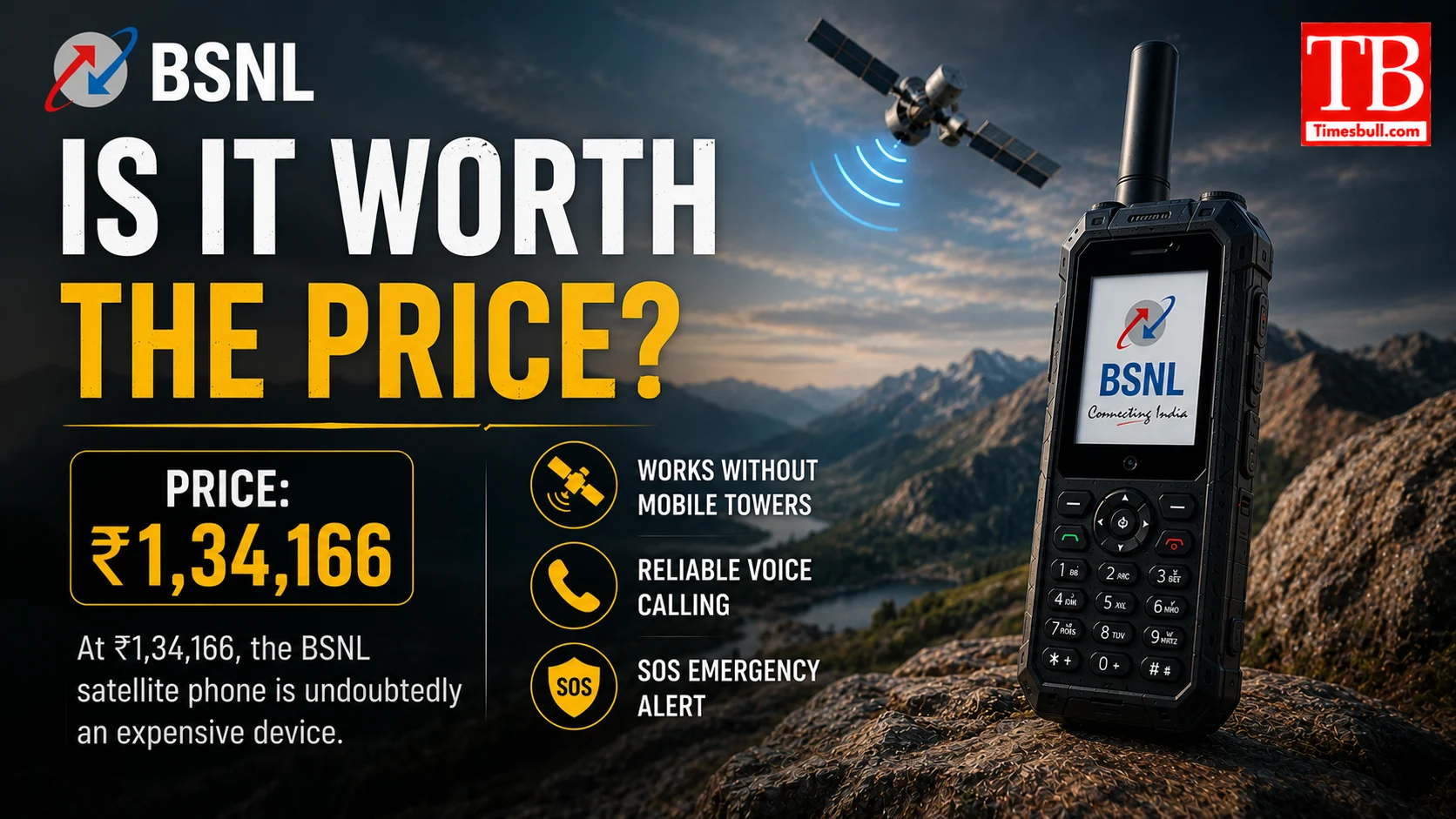
Is It Worth the Price?
At ₹1,34,166, the BSNL satellite phone is undoubtedly an expensive device. However, the cost must be viewed in the context of its purpose and technology. Unlike a regular smartphone, this device does not depend on mobile tower infrastructure and can work in places where no other phone can. This makes it invaluable for certain professions and emergency situations.
Additionally, the cost of manufacturing satellite phones is inherently high because they require specialized components to communicate with satellites. The rugged build, waterproofing, and advanced antenna systems also add to the cost. When compared to international satellite phone brands like Inmarsat or Iridium, which can cost anywhere between ₹80,000 to ₹2,00,000, BSNL's offering is competitively priced. However, buyers should also consider the ongoing cost of satellite calling plans, which will add to the overall expense.
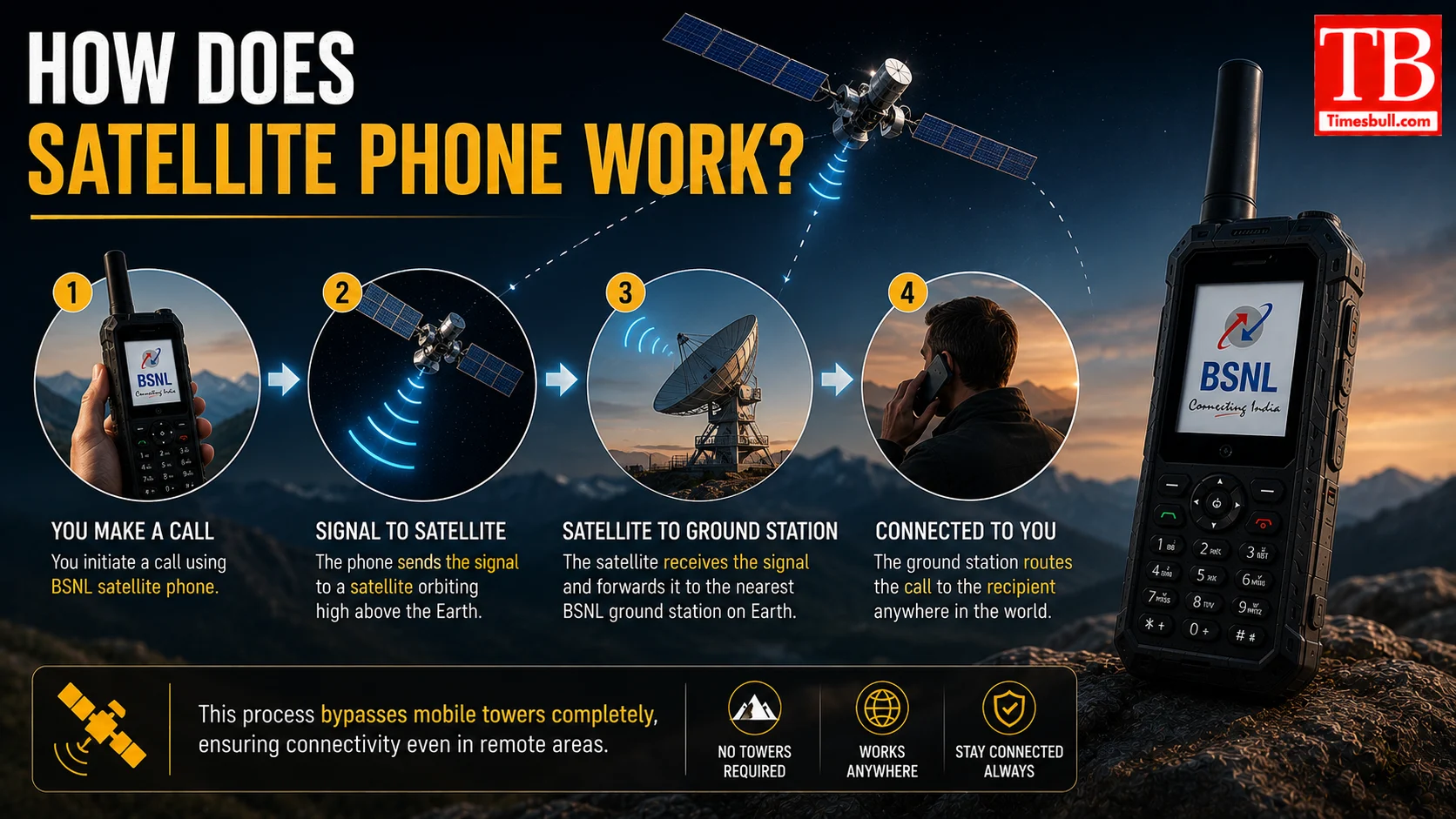
How Does Satellite Phone Work?
Satellite phones work differently from regular mobile phones. Instead of connecting to terrestrial mobile towers, they communicate directly with satellites orbiting the Earth. When a user makes a call, the phone sends a signal to a satellite, which then relays the signal to a ground station. From there, the call is routed to the recipient's phone network.
This process allows satellite phones to work in areas where there are no mobile towers, such as oceans, deserts, dense forests, and mountainous regions. However, it also means that satellite phones require a clear line of sight to the sky. They may not work well inside buildings, dense canopies, or deep valleys. Users may need to go outdoors or to an open area to establish a stable satellite connection.
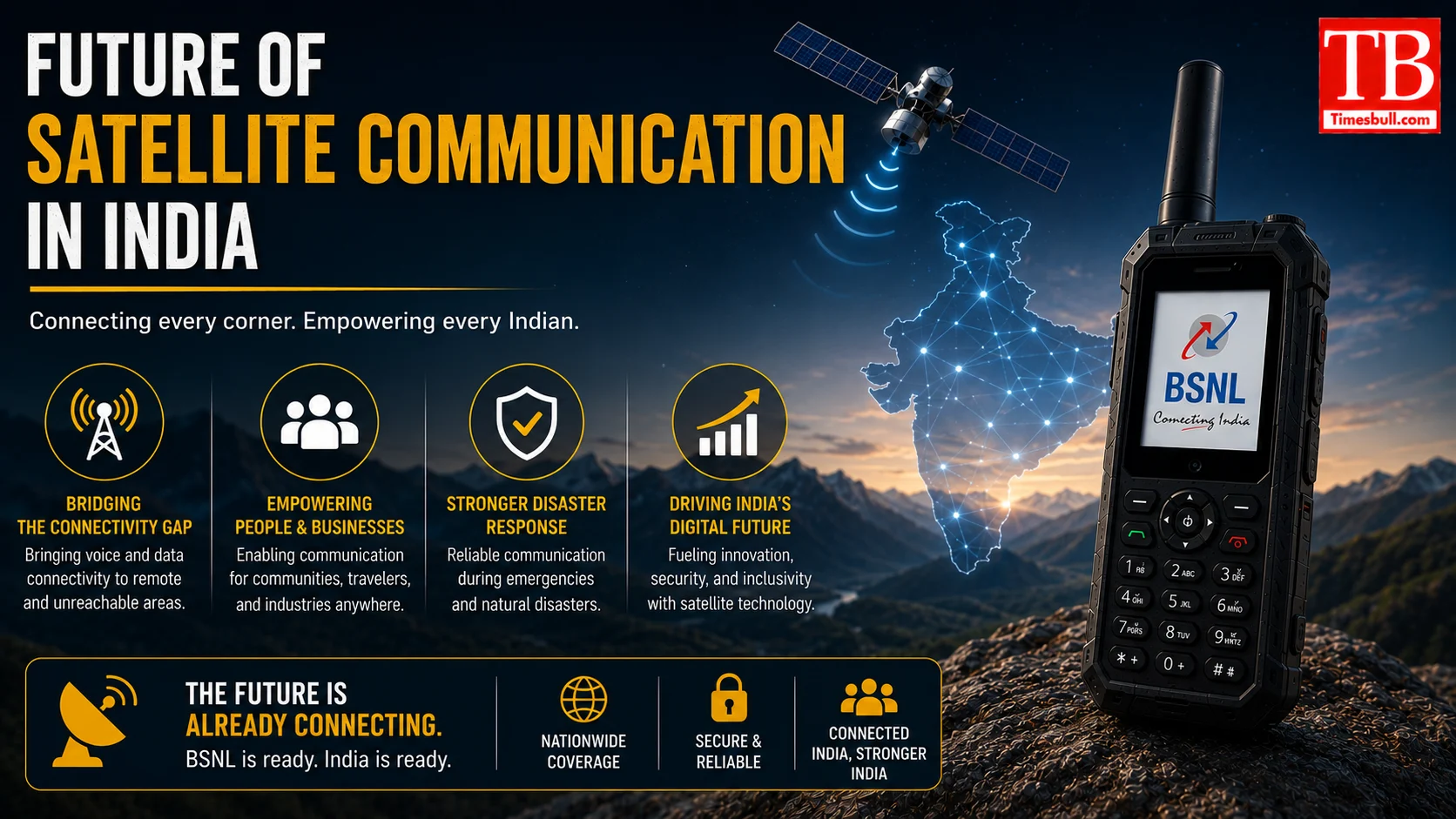
Future of Satellite Communication in India
The launch of BSNL's satellite phone marks an important milestone in India's communication landscape. It signals the government's intent to provide connectivity to every corner of the country, even in the most remote and inaccessible areas. This is particularly important for disaster management, national security, and rural development.
In the future, we may see more affordable satellite phones entering the Indian market, as technology becomes more accessible and satellite networks expand. Companies like Elon Musk's Starlink and Bharti Group's OneWeb are also working on providing satellite-based internet connectivity in India. The BSNL satellite phone could be the beginning of a new era in Indian telecommunications, where connectivity is no longer limited by terrestrial infrastructure.