


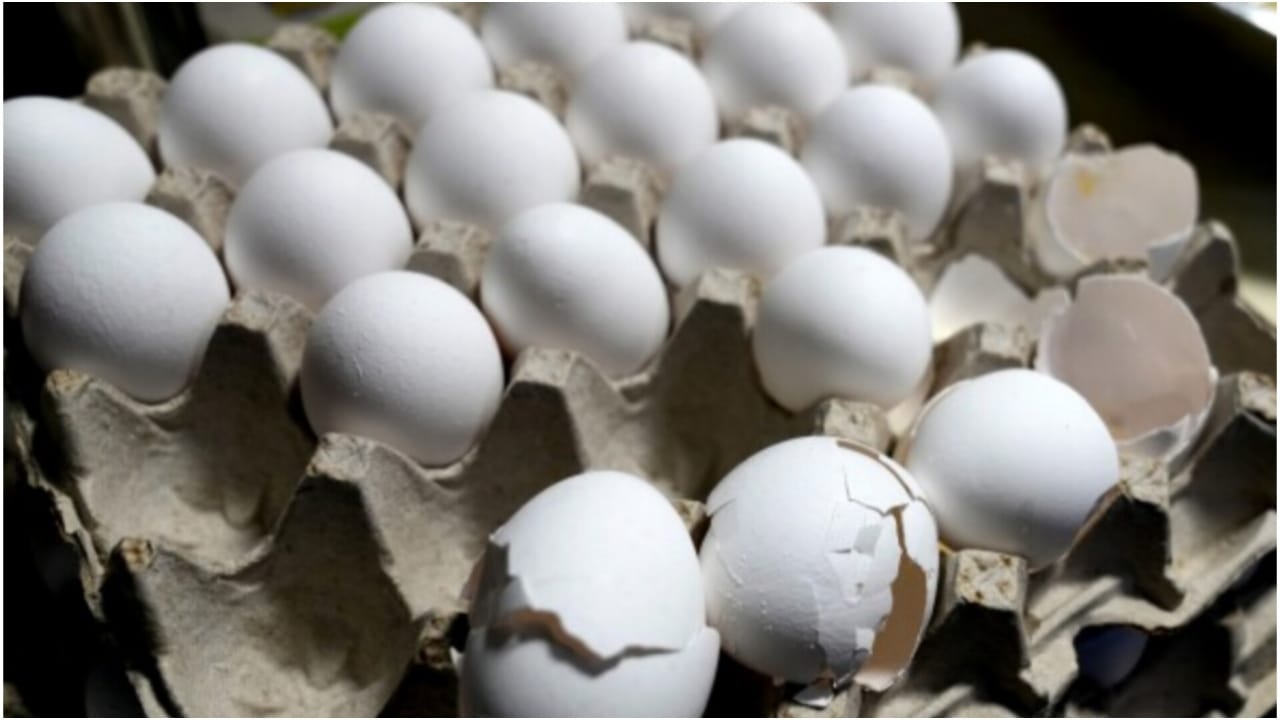
Fake Eggs Identification — Eggs are consumed throughout the year, but demand increases sharply during winter. And with this rising consumption, cases of counterfeit eggs are also starting to surface. The biggest problem is that fake eggs look almost identical to real ones, making it difficult for buyers to spot the difference. These artificial eggs can harm health if consumed regularly, which makes identification extremely important.
Winter is the season when most people buy eggs more frequently, so being aware of the signs of fake eggs can protect you from chemical-based products circulating in the market. Here’s a detailed, easy-to-read guide to help you identify whether the egg you’re holding is real or fake.
Shell Test: Real vs Fake
The very first sign appears in the shell’s texture. Real eggs have a naturally rough, slightly grainy, and uneven shell surface. When you look closely, the natural pattern is always visible.
Fake eggs, however, have unnaturally smooth, shiny, and plastic-like shells. Sometimes the shell even feels too lightweight because of the artificial materials used inside.
Water Test: Quick and Reliable
One of the easiest ways to check authenticity is the water test. Drop the egg gently into a bowl or deep container filled with water. A real egg sinks because of its natural density.
A fake egg floats on the surface due to its lightweight artificial filling. This test instantly helps you determine whether the egg is safe to consume.
Shake Test: Listen to the Sound
Another effective method is simply shaking the egg. Real eggs have a loose yolk, so when shaken, you’ll hear a very soft, mild sound inside. Fake eggs, on the other hand, produce a loud, distinct sound, which indicates the presence of artificial jelly-like substances used to mimic the yolk and white.
Boiling Test: The Final Confirmation
If you’re still unsure, the boiling test gives the most precise result. After boiling, a real egg remains firm and evenly textured. Everything sets properly, and there’s no unusual smell. A fake egg turns rubbery, stretchy, and bouncy, almost like plastic. It may even release a chemical smell, making it evident that the egg is artificial.
Fake eggs are dangerous and can affect your health in the long run. Being alert and using these simple tests can help ensure that you always bring home real, safe, and healthy eggs.