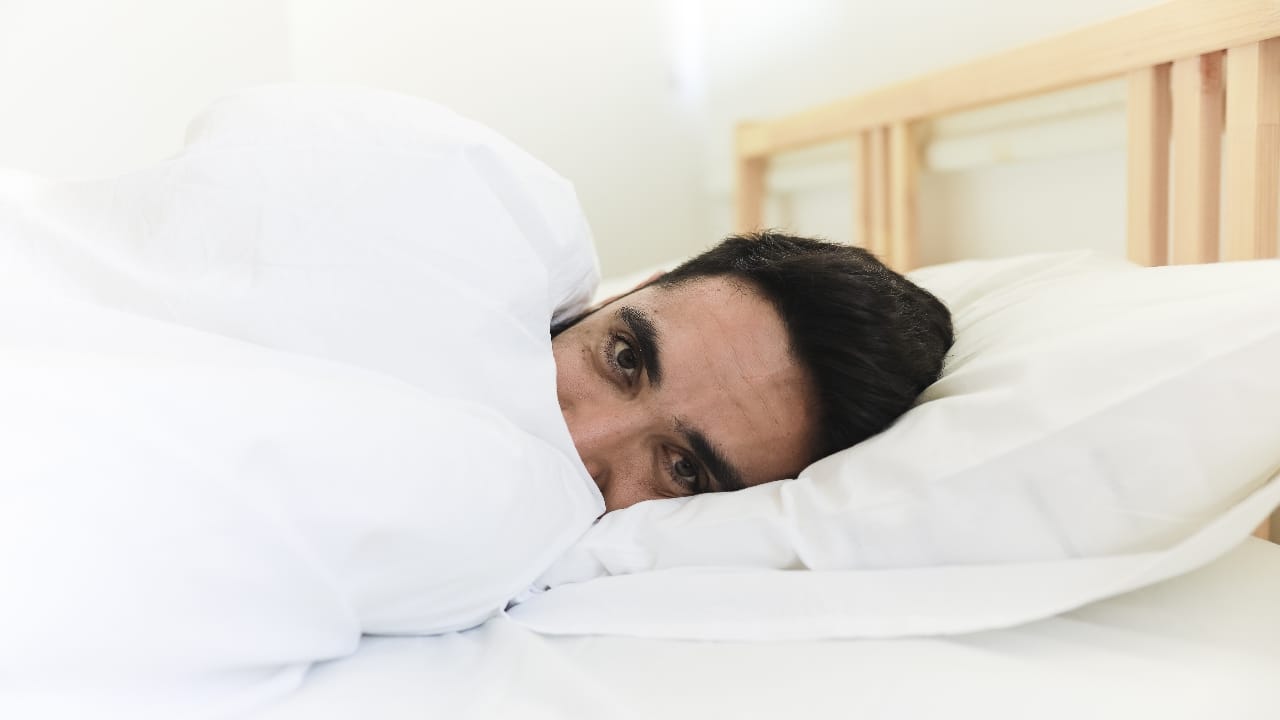
Sleeping with a Covered Face – Winter is here, and with the chilly weather, people often feel lazier, sleepier and unwilling to leave their warm beds. Many even sleep with their faces covered by the blanket to stay cosy. But this common winter habit can be surprisingly harmful, leading to several health issues. Here’s why you should avoid sleeping with your face covered.
What Happens When You Sleep with Your Face Covered?
Studies have shown that covering your face while sleeping can lead to several problems. If this habit continues for a long time, it can seriously affect your breathing, sleep quality and overall health.
Lack of Oxygen and Excess Carbon Dioxide
When you cover your mouth and head entirely under a blanket, your body doesn’t get enough fresh air or oxygen. The carbon dioxide you exhale gets trapped inside the blanket, and you end up inhaling the same air repeatedly.
This reduces your oxygen levels and increases your carbon dioxide levels. As a result, you may feel suffocated, your sleep may be disturbed, and you may wake up feeling tired and low on energy.
Increase in Body Heat and Restlessness
Sleeping with your face covered raises the temperature inside the blanket. However, the human body prefers a slightly cooler environment for deep, restful sleep.
The increased heat causes sweating, discomfort and restlessness, eventually disrupting your sleep cycle.
Poor Sleep Quality
Low oxygen, high carbon dioxide and rising body heat — all these factors interfere with deep sleep. Quality sleep is essential for both physical and mental health.
If your sleep remains disturbed for a long time, it can lead to poor focus, irritability, low energy and even long-term health issues.