


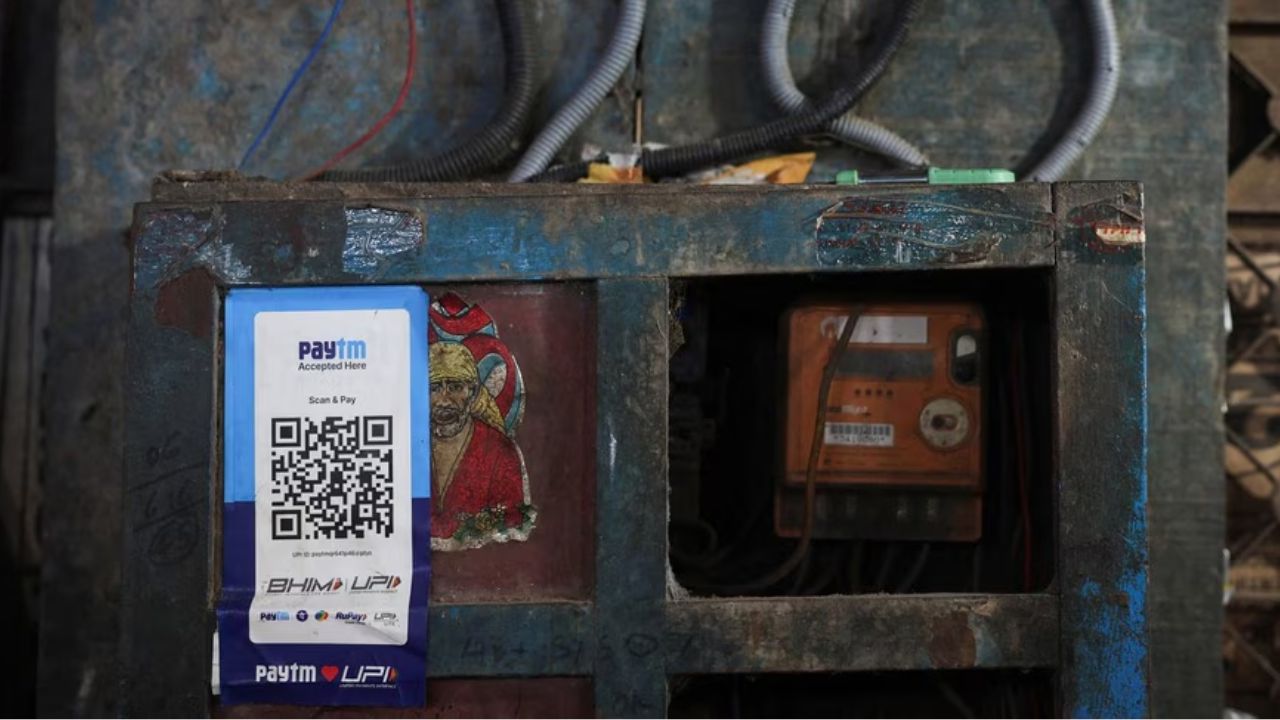
In this digital age, UPI (Unified Payments Interface) has become a part of daily life. From shopping, buying vegetables, and Puja shopping to paying for food while traveling — UPI has become the first choice everywhere.
Problems like paying in cash, giving change, or facing trouble due to lack of cash have been solved because of UPI. But with the rise of technology, cases of online fraud have also increased. To protect people from such cyber frauds, the RBI has issued several important guidelines on how to stay safe.
Be careful of unknown links and QR codes
These days, most fraud cases happen through phishing links and fake QR codes. Fraudsters send links or QR codes in the name of giving cashback. As soon as you click on the link or scan the QR code, your bank details go to the hackers.
According to the Reserve Bank of India (RBI), no real bank, company, or app will ever ask you to scan a QR code or send money to receive payment. If someone asks you to do so, it is a scam. To receive money, you do not need to scan or click anything.
Never share your UPI PIN or OTP
Another common trick used by fraudsters is to ask for your UPI PIN or OTP. They often pretend to be bank officials, customer care executives, or government agents. They tell you that your account needs verification and ask for your OTP or PIN.
As per RBI’s new rules, no bank or app will ever ask for your OTP, PIN, or password. Remember, the UPI PIN is used only when sending money, not while receiving it. If someone asks for your PIN to receive money, it is a fraud.
Use only official UPI apps
RBI has warned that many fake UPI apps are active on the Play Store and some websites. These apps look real but can steal your bank and login information. Always check the developer’s name before downloading.
Download UPI apps only from the official Play Store or verified websites. Check the permissions before installing any app. If any app promises instant cashback or double money, it is definitely a scam.
Double-check before sending money
Fraudsters often use names that look like trusted brands or friends to confuse people. Always check the recipient’s name and UPI ID carefully. Look out for spelling mistakes — for example, “Hindustan Times” may be written as “Hindustan Tlmes.” In a hurry, such small errors often go unnoticed. If you see a suspicious name or ID, cancel the payment immediately.
Report immediately if you face fraud
If you still fall victim to a UPI fraud, don’t panic. Take quick action. As per RBI rules, banks must report such cases within 24 hours. Call your bank’s customer care right away. You can also call the National Cyber Helpline at 1930 or file a complaint at https://cybercrime.gov.in. Quick action can help you recover your money faster and stop further loss.