The Unique Identification Authority of India (UIDAI) has taken an unprecedented decision in the interest of millions of children and their parents. All fees for mandatory biometric update (MBU) have been waived, directly benefiting approximately 60 million children. This decision has come into effect from October 1, 2025, and will remain available for a period of one year. This decision will make the entire process of keeping children’s Aadhaar up-to-date completely free, reducing the financial burden on millions of families.
What are the special rules for children’s Aadhaar

The Aadhaar enrollment process for children is different from that for adults, and this difference makes biometric update mandatory. For children under 5 years of age, Aadhaar is generated based on demographic details such as their photo, name, date of birth, and address. Fingerprint and iris biometric data are not collected at this age, as their biometrics are not fully developed.
Therefore, as per the rules, biometric updates are mandatory twice in every child’s lifetime. The first mandatory biometric update (MBU) is performed when the child turns 5 years old, where fingerprints, iris scans, and a photo are updated for the first time. Subsequently, the second MBU is required when the child turns 15 years old to record the biometrics in their final and developed form. Now, with this significant decision by UIDAI, both these updates have become completely free, providing great convenience to millions of parents.
MBU Fee Waiver
The decision to make biometric updates free simplifies the process of availing services. Previously, MBUs performed between the ages of 5 and 15 were free, but additional updates or updates performed outside the stipulated time were charged ₹125. Following this new announcement, MBUs are completely fee-free for all children aged 5 to 17.
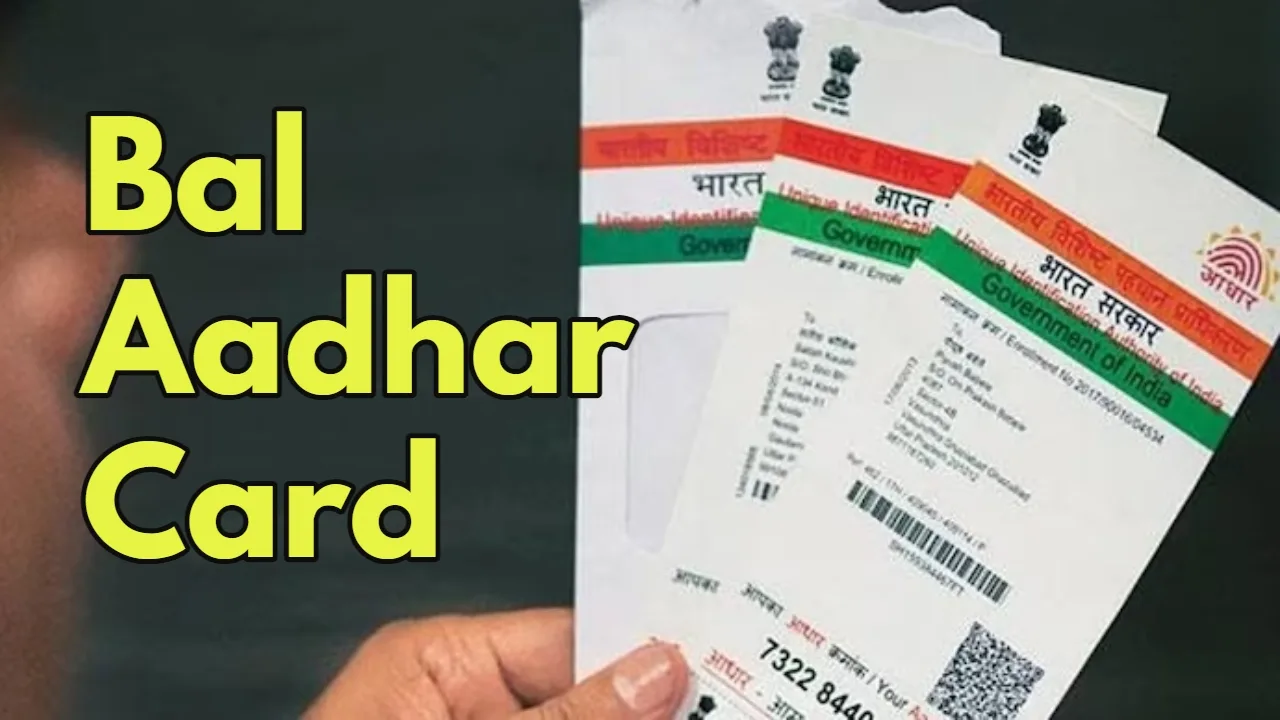
Updated Aadhaar ensures seamless access to many important government and educational services for children. For example, biometric verification is required for school admission, registration for entrance exams, benefits under government scholarship schemes, and DBT (Direct Benefit Transfer) schemes.
Outdated or underdeveloped biometrics often result in failed verification, increasing the risk of missing out on essential services. Therefore, parents/guardians are advised to update their children’s biometrics as a priority, with immediate effect. This ensures that children continue to receive the full benefits of education and government schemes without any interruption.
Related Posts

Vikram Singh
Author at TimesBull covering breaking news and current affairs.
Related Stories
 Business
 Business
 Business
 Business
 Business
 Business
 Business
 Business
 Business
 Business