The world of biking sees new models arrive every year, boasting modern features, TFT displays, ride modes, and even Bluetooth connectivity. But even in these times, there’s one motorcycle that, with its old-school charm and high-revving parallel-twin engine, continues to rule the hearts of bikers. Yes, we’re talking about the Kawasaki Ninja 300 (2025). The question is: is this bike still relevant today, or just nostalgia? Let’s find out.
Read More – Citroen Aircross vs Maruti Victoris: Who wins the Bharat NCAP Crash Test
Design and Quality
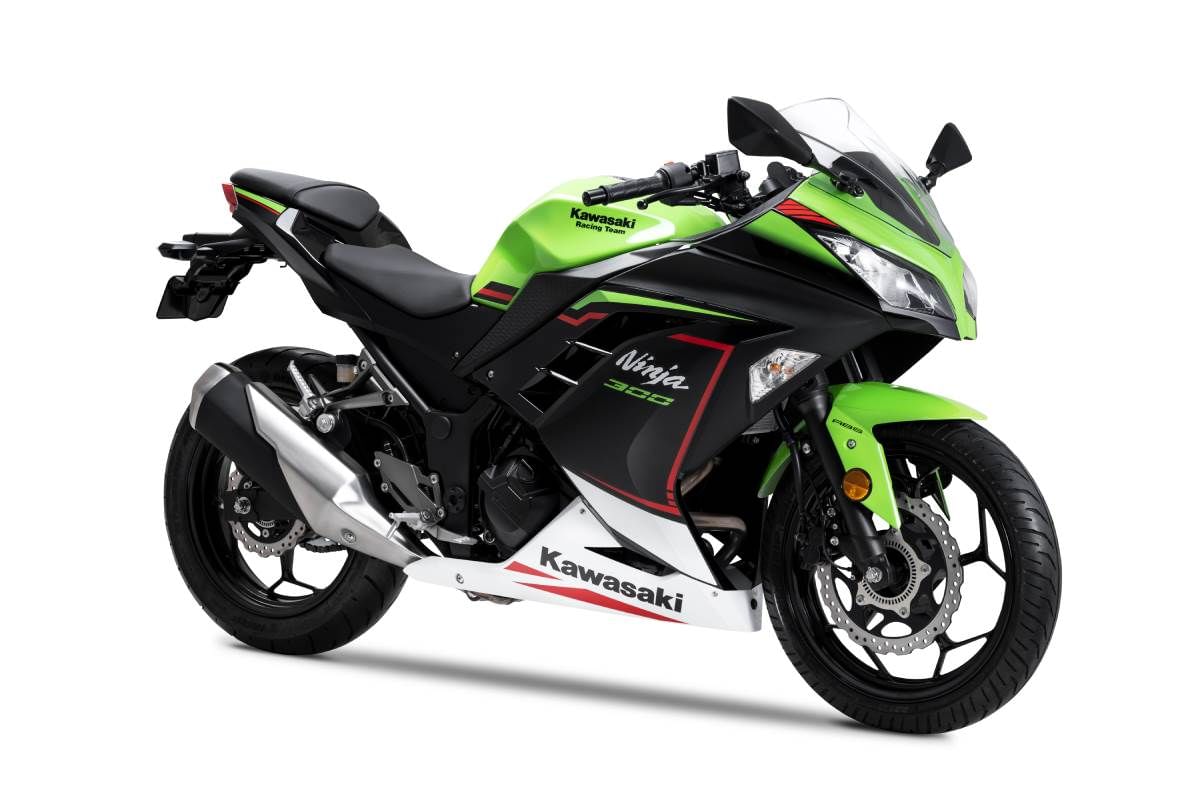
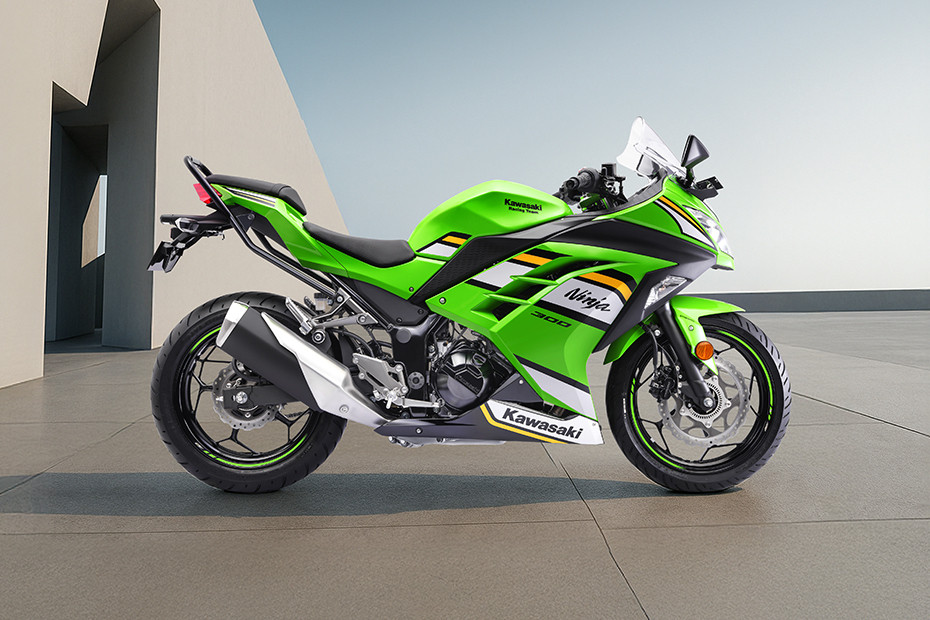
When it comes to looks, the Ninja 300 is still a head-turner. Its full-faired design, especially in the new Lime Green colour scheme, still looks stunning. For 2025, Kawasaki has given it a new projector headlamp, whose light quality is better than before. However, the fact is that it is a halogen setup, and when compared to modern LED projectors like the TVS Apache RR 310 or KTM Adventure, it falls a bit short.
The instrument cluster also looks outdated now – it only has an analog tachometer and a basic digital readout. While TFT screens, Bluetooth connectivity and riding modes have become standard on today’s bikes, the Ninja 300 still lacks these. Still, watching the needle go past 13,000 rpm gives a different thrill, which modern digital screens rarely provide.
Riding and Comfort
The Ninja 300 offers a compact feel, making it quite comfortable for shorter riders. Taller riders (around 6ft) may find the footpegs a bit high, but the overall riding position is sporty and relaxed at the same time.
The seat is supportive and doesn’t cause discomfort even on moderately long rides. The new windshield improves wind deflection and gives the bike a premium look. Yes, the grab rail seems a bit out of place and showed rust on the test bike, but it will come in handy for mounting luggage.
Performance and Refinement
Now let’s talk about the heart – the engine. The 296cc parallel-twin liquid-cooled engine of the Ninja 300 still produces 39hp at 11,000rpm and 26Nm torque at 10,000rpm. This engine shows its true power only at high revs. Below 10,000rpm the bike feels a bit lazy, but as the revs increase, it shows its true potential.
Throttle response is sharp and gearbox smooth. 6-speed transmission and slipper clutch work flawlessly. The lack of quickshifter is definitely missed, but still the ride remains engaging. Heat management is good and there is not much issue even in city riding. Talking about mileage, it gives between 27-29 kpl, which is decent for a twin-cylinder bike.
Price and Verdict
The Kawasaki Ninja 300 is still considered one of the few bikes that is considered the most pocket-friendly option in the twin-cylinder sportbike category. It is priced at around ₹3.17 lakh (ex-showroom, Delhi) in 2025. Its high-revving engine, sturdy build and a kind of nostalgia factor keep it special even today.
Read More – Nissan C-SUV Big Revealing on October 7, Know All Details So Far
But on the other hand, buyers now have choices like the Yamaha R3 and KTM RC 390, which come with more punchy performance and modern features. So, if you want an old-school riding feel where the fun of pulling the revs is the biggest thrill, the Ninja 300 will still satisfy your taste.
Yes, if you are inclined towards the latest tech, sharper performance and more feature-loaded bikes, then there are stronger options waiting for you in the market.