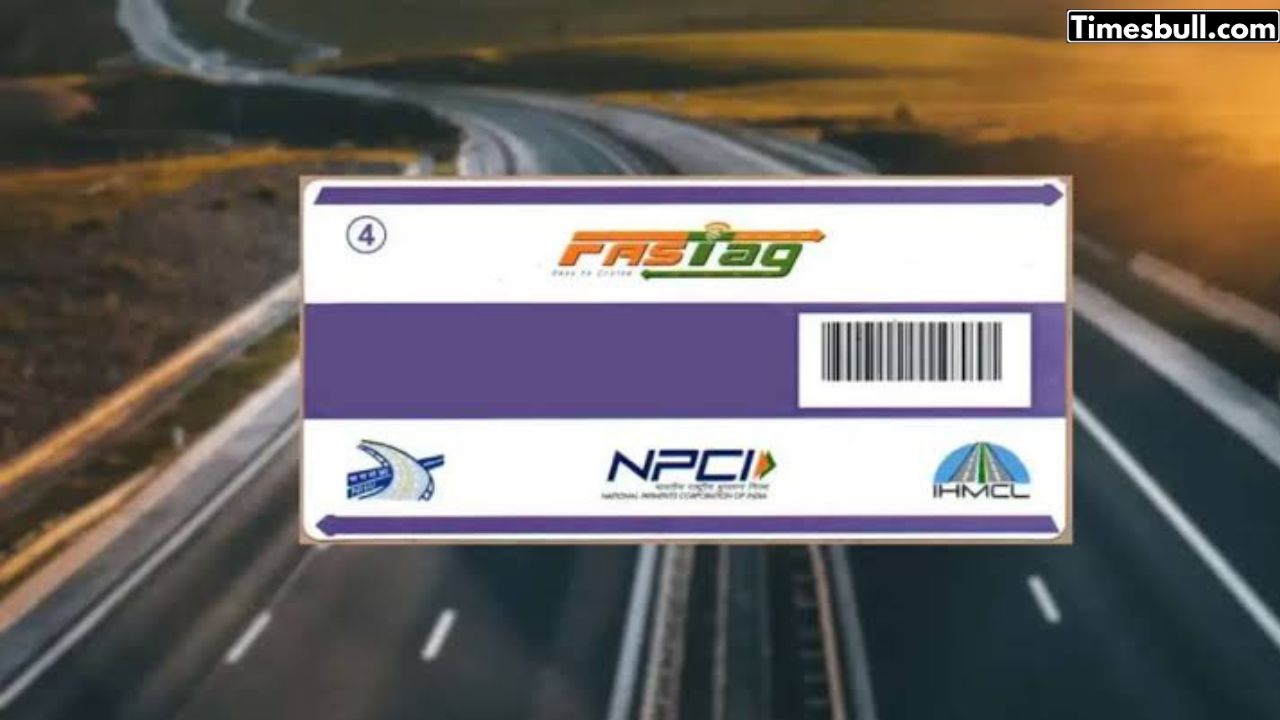
The Government of India launched the FASTag Annual Pass for private (non-commercial) vehicles on 15 August 2025. With this pass, vehicle owners can make up to 200 toll transactions in one year by paying a lump sum of ₹3,000. This pass is available at 1,150 toll plazas across the country.
Within just four days of its launch, the pass got an overwhelming response, with over 500,000 vehicle owners opting for it.
However, this could cause losses for the government in the future. A report says it could put an extra burden of up to ₹4,500 crore on NHAI every year. Let’s understand this in detail.
What Are the Benefits?
The FASTag Annual Pass removes the need to carry cash or maintain balances at toll plazas throughout the year. It saves money for frequent travelers and reduces traffic congestion and long queues at toll plazas.
Impact on Government and NHAI
The National Highway Authority of India (NHAI) has said that toll operators will be compensated for any lost revenue. A uniform compensation system has been put in place.
However, ICRA, a research agency, says that if the government fully compensates toll operators, NHAI could face an extra burden of ₹4,200 to ₹4,500 crore per year.
Key points from the ICRA report:
- Passenger car traffic makes up about 35-40% of toll revenue.
- This share is higher on highways near metro cities.
- Travelers who use intercity routes less often or taxi operators will not benefit much from the pass.
- The pass impacts only 6-7% of total toll collection.
- In FY2025, NHAI collected ₹72,931 crore in toll revenue. If ICRA’s estimate is correct, revenue could fall in FY2026.
What Will Be the Outcome?
The FASTag Annual Pass helps the general public by giving relief and convenience. But it may also cause revenue loss for NHAI and the government. Toll operators will be compensated for three months, but later, new bidders will have to consider the annual pass figures.