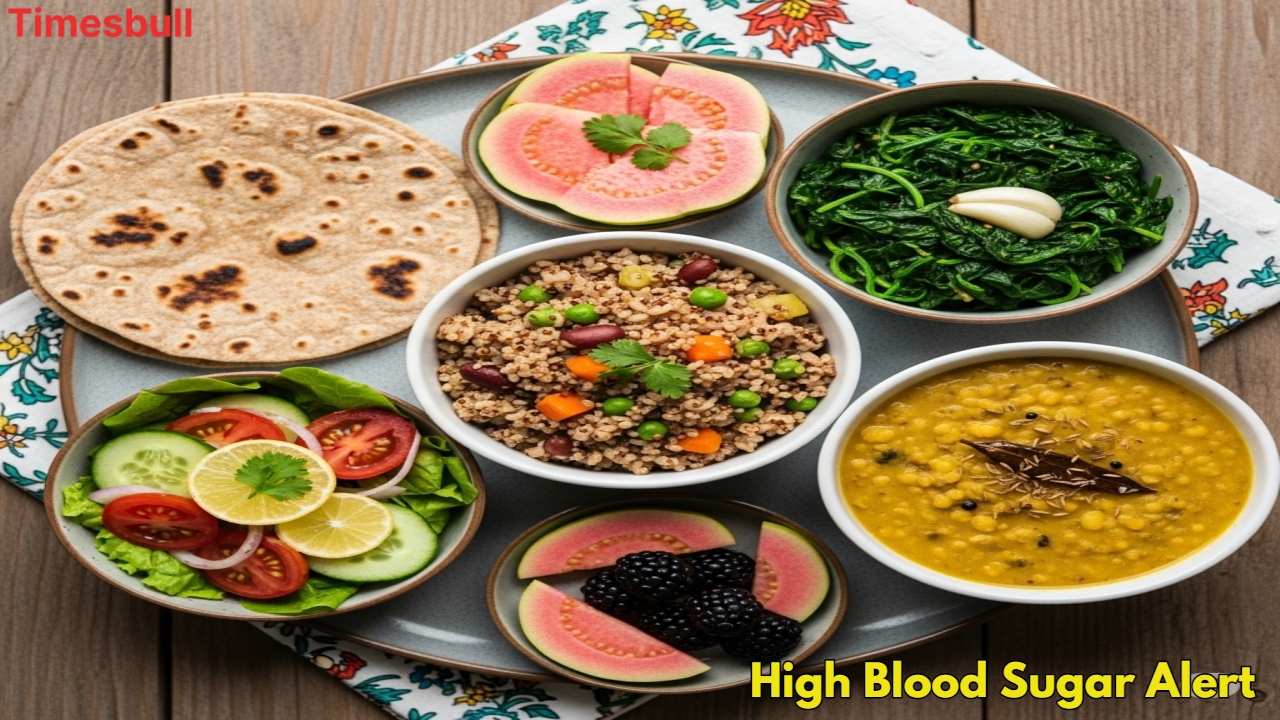
Today, diabetes (Madhumeh / Sugar) has taken the form of a global epidemic, which has engulfed crores of people around the world. This number is especially shocking in India, where more than 10 crore people are suffering from this serious disease. Diabetes is a condition where the body either does not make enough insulin or is unable to use it properly, resulting in the blood sugar level increasing rapidly or remaining uncontrolled. If it is not controlled, it can cause serious damage to vital organs of the body, like the heart, kidneys, nerves, and eyes.
The role of the right diet plan is most important in managing this disease effectively. In this diet plan, special attention is given to staying away from sugar and sweet things. Along with this, it is also advisable to avoid foods that can increase your blood sugar level rapidly. In this article, we will learn about the four major foods that diabetes patients should especially avoid.
White rice and refined grain products

White rice is a staple diet in Indian households, but it can be one of the most harmful foods for diabetics. White rice has a very high glycemic index, which means it is digested very quickly and spikes blood sugar levels immediately. This is because its outer layer (bran and germ) is removed, leaving it low in fibre and essential nutrients.
Similarly, white bread, refined flour products such as biscuits, noodles, and pastries are also rich in refined carbohydrates and spike blood sugar quickly. Instead, opt for whole grains such as brown rice, quinoa, daliya, bajra, jowar, which are high in fibre and spike blood sugar slowly.
Potatoes and highly oiled-spiced vegetables
Some vegetables, such as potatoes, sweet potatoes, and corn, are high in starch, which can be quickly converted into glucose in the body. Potatoes also have a high glycemic index, which can quickly increase blood sugar. Also, ‘spicy vegetables’ often refer to vegetables that are prepared with a lot of oil, cream, or other unhealthy ingredients. These are rich in calories and unhealthy fats.

These not only cause weight gain, but can also affect insulin resistance. Instead, low-starch vegetables such as green leafy vegetables (spinach, fenugreek), broccoli, cabbage, cauliflower, gourd, and cucumber should be preferred. It is more beneficial to prepare them simply with less oil and spices.
Fast food and processed snacks
Fast food and processed snacks have become a common choice in today’s lifestyle, but these can be extremely dangerous for diabetics. Foods like burgers, pizza, French fries, chips, and packaged cookies are rich in unhealthy fats (trans and saturated fats), refined carbohydrates, high sodium, and hidden sugar.
All these factors not only increase blood sugar rapidly, but also promote insulin resistance, weight gain, and the risk of heart disease and high blood pressure. Diabetics should especially avoid these things. Prefer a fresh, low-oil-spiced, and nutritious breakfast made at home. Choose options like roasted gram, puffed rice, fruits, yogurt, or nuts.
Sweet fruits and fruit juices

Although fruits are good sources of essential vitamins, minerals, and fiber, diabetics should not consume all fruits. Some fruits are very high in natural sugar (fructose), such as mango, banana, litchi, sapota, and grapes. Excessive consumption of these can increase blood sugar.
At the same time, fiber is often removed from fruit juices and their sweetness is increased, due to which they increase blood sugar faster than whole fruits. Diabetics should consume these sweet fruits in limited quantities and thoughtfully, especially not eat more than one fruit at a time. Fruits with a low glycemic index and rich in fibre, such as apples, guavas, berries, oranges, and papayas, can be better choices.
Diabetes Management
Diabetes is not just a disease but a lifestyle challenge. To manage it effectively, it is not enough to just rely on medicines; a disciplined diet plan and regular exercise are equally important. What you include in your plate and what you stay away from directly affect your blood sugar levels and your overall health.
Vikram Singh

Related Stories
 Health
 Health
 Health
 Health
 Health
 Health
 Health
 Health
 Health
 Health