


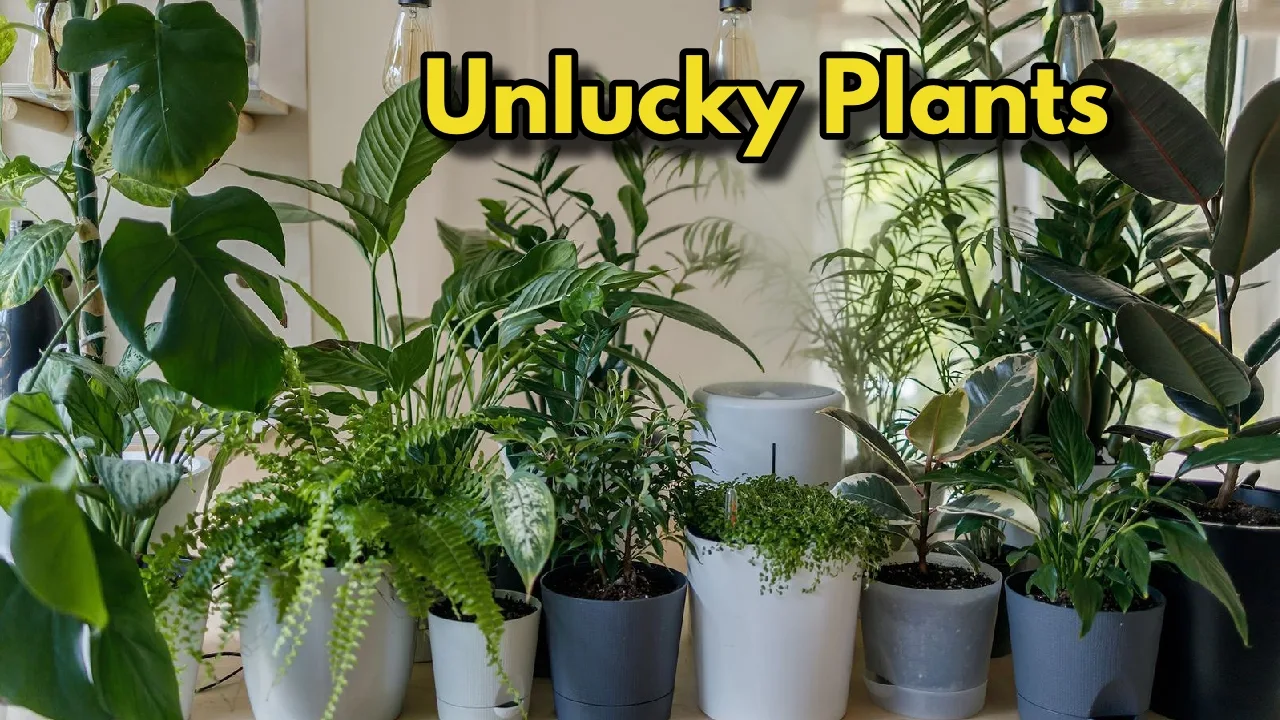
Vastu Tips: If you are also one of those people who keep bringing new plants to make the house green and beautiful, then this news is useful for you. There are some plants mentioned in Vastu Shastra that may look attractive, but keeping them inside the house is not considered good for happiness and prosperity. Let us know about those plants that should not be planted in the house according to Vastu.
Bonsai: Beautiful, but a Symbol of Obstruction
As lovely as the Bonsai plant looks, its meaning in Vastu is equally different. Since bonsai are intentionally kept small, it is considered a symbol of stunted growth. It is believed that keeping a bonsai in the house can slow down the pace of career and progress. If you like bonsai, keep it in the office or on the balcony, not in the main part of the house.
Cactus: If there are thorns, then there is stress too
Cactus has become a part of decoration nowadays, but in Vastu, its sharp thorns are considered to be the cause of negativity and stress. It is said that keeping a cactus inside the house can increase mutual differences. Yes, if you keep it on the balcony or terrace, it can be considered a “guard” from the evil eye.
Tamarind and cotton: shadow of negativity
The tamarind tree is considered very beneficial, but according to Vastu, it is not right to plant it inside or very close to the house. It is believed that this can bring restlessness and negative energy into the house. Cotton plants are also considered inauspicious in some traditions, so it is better to keep them away from home.
Dried plants and flowers: no freshness, stagnation
Many people keep dried flowers as a keepsake. But Vastu says that dry plants bring “dead energy” into the house. To maintain freshness and life in the house, dry plants should be removed and replaced with fresh flowers or green plants.
Mehndi plant: fragrant, but heavy
Everyone likes the beautiful designs made on hands with henna leaves. But planting a henna plant in the house is not considered auspicious in Vastu. It is believed that this plant is a symbol of sadness or heaviness; hence, it should not be kept inside the house but should be planted somewhere outside.
Madar (Aak) plant: It is poisonous; keep it away
Madar or milkweed plant may look good, but its milky juice is poisonous. Even in Vaastu, it is considered to bring instability and discord. Even scientifically, this plant can be dangerous for children and pets, so there is no reason to keep it in the house.
Peepal tree: sacred, but not for home
The peepal tree is highly revered in Hinduism, but Vastu says it should not be planted inside the house. Its roots spread widely, which can damage a home’s foundation, and its energy is considered so intense that it can overwhelm the indoor environment. It should be installed in a temple or open place only.
Keep one thing in mind: All these things are based on the beliefs of Vastu Shastra. Science does not confirm these things, but if you want a positive atmosphere in the house and have faith in these beliefs, then there is no harm in keeping these plants out of the house.