


UPI: Big news for UPI users. UPI has become the backbone of India’s digital revolution. Based on recent reports, the government is contemplating the idea of introducing a Merchant Discount Rate (MDR) for UPI transactions exceeding Rs 2,000 at major corporate and commercial establishments. If this plan gets the green light, it could mark a significant shift in the country’s digital payment landscape. Here is an overview of the latest developments related to UPI fees:
1. Deliberation on MDR implementation
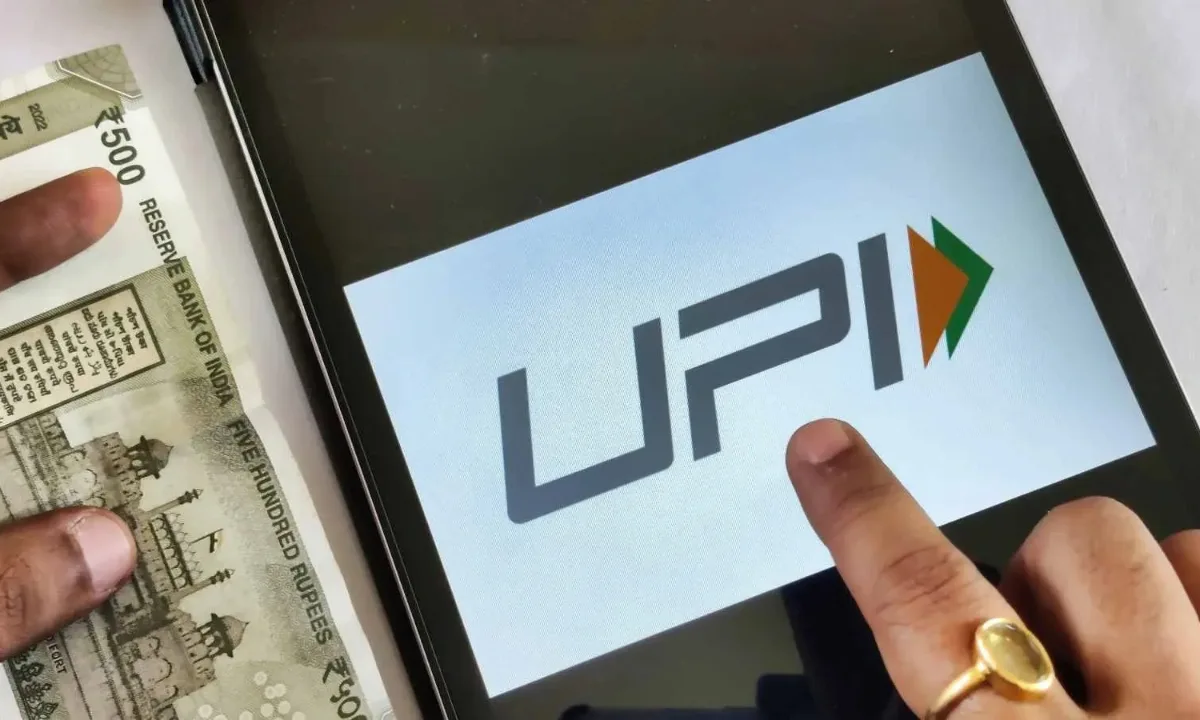
Many reports says that the government is mulling over the imposition of an MDR on UPI payments directed towards big merchants. This proposed fee, potentially set at 0.5 percent, would be applicable to transactions surpassing Rs 2,000. MDR represents the charge by banks for handling real-time digital transactions. A senior government official mentioned in a media report that the administration is currently reviewing this proposal, with a decision anticipated in the next fortnight. Notably, MDR will solely impact significant merchants and enterprises.
2. Escalating expenses
Another government representative clarified that the suggestion does not involve imposing charges on customers for utilizing UPI. The official clarified that the objective behind MDR is not to burden customers with UPI transaction costs. Conversations are ongoing concerning the financial dynamics on the merchant side and the long-term viability of the payments infrastructure. As per officials, while UPI has witnessed rapid growth, the maintenance of essential infrastructure is escalating costs for banks and other stakeholders within the payments ecosystem. Another official expressed optimism that the model is poised to achieve commercial sustainability in due course.
3. Current government initiatives
The central government is presently offering incentives to banks and other payment service providers for low-value UPI transactions up to Rs 2,000. The “Incentive Scheme for Promotion of RuPay Debit Card and Low-Value BHIM-UPI Transactions” was launched in the fiscal year 2022 to expedite the adoption of digital payment platforms across diverse demographics, modernize financial transactions, and bolster financial inclusion efforts.
4. Insights from the Standing Committee report
A report dated March 12, 2026, from the Standing Committee on Finance indicated that the introduction of zero MDR was aimed at making digital transactions more cost-effective and accessible. However, it cautioned that the absence of MDR has rendered the UPI ecosystem financially unsustainable. The committee underscored that India’s demographic profile, economic advancement, and widespread geographic coverage could lead to a tenfold surge in UPI usage in the forthcoming years.
It projected an additional 600 million users in the next five to seven years, processing 100-150 billion monthly transactions. The report emphasized the deceleration in UPI’s growth rate and the structural funding gap, impeding investments in infrastructure, security, and merchant engagement, hindering the ecosystem’s expansion to the projected scale.