



Renault-Nissan Upcoming SUVs: Renault and Nissan are set to strengthen their foothold in the Indian SUV market. Both companies are revamping their strategies and preparing to introduce new models to Indian consumers through their partnership. Notably, the companies will not limit themselves to a single fuel option; instead, they will offer various choices—including strong hybrid, CNG, petrol, and electric. Renault and Nissan are gearing up to launch seven new SUVs in the Indian market over the next 12 months, featuring hybrid, CNG, petrol, and electric powertrains.
Renault Duster Hybrid
Following the return of the Renault Duster, the company is preparing to launch a strong-hybrid version of the vehicle. The official launch date for the Duster Hybrid is October 17. It will feature a 1.8-litre naturally aspirated petrol engine paired with a strong-hybrid system that uses a 1.4 kWh battery.
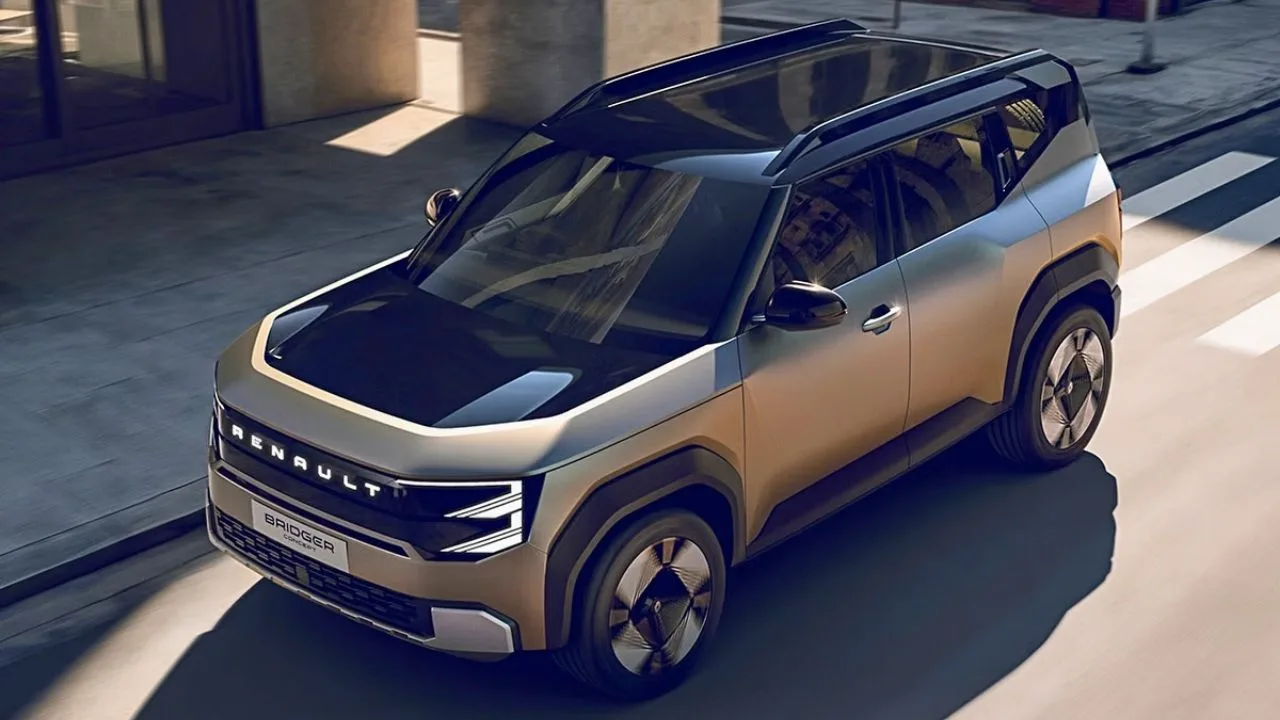
New Renault Kiger
Renault’s sub-4-metre SUV, the Kiger, is also expected to receive a significant mechanical update in the near future. The company is planning to shift it to the RGEP architecture. This move aims to improve the SUV’s structural strength while also allowing for better packaging to accommodate an underbody CNG tank.
The new Kiger is expected to offer a factory-fitted CNG option, potentially paired with the turbo-petrol engine. The current turbo-petrol engine delivers approximately 100 PS of power and 172 Nm of torque; if this engine is adapted with CNG technology, the Kiger could emerge as a compelling new option for consumers.
Renault Boreal
Following the Duster, Renault is also working on a larger, 7-seater version that may be introduced to the market under the name ‘Boreal’. While this SUV will draw inspiration from the Duster, it will feature a distinct exterior design. The three-row seating configuration means it will also be larger than the Duster. The Renault Boreal is expected to launch before the Nissan Tekton 7-seater. Regarding the powertrain, it is likely to feature both a 1.3-litre turbo-petrol engine and a 1.8-litre strong-hybrid petrol engine.
Renault Bridger
Renault showcased the Bridger sub-4-metre SUV concept earlier this year. Notably, this SUV is being developed by Renault’s Indian team; while developed in India, it is intended for global markets as well.
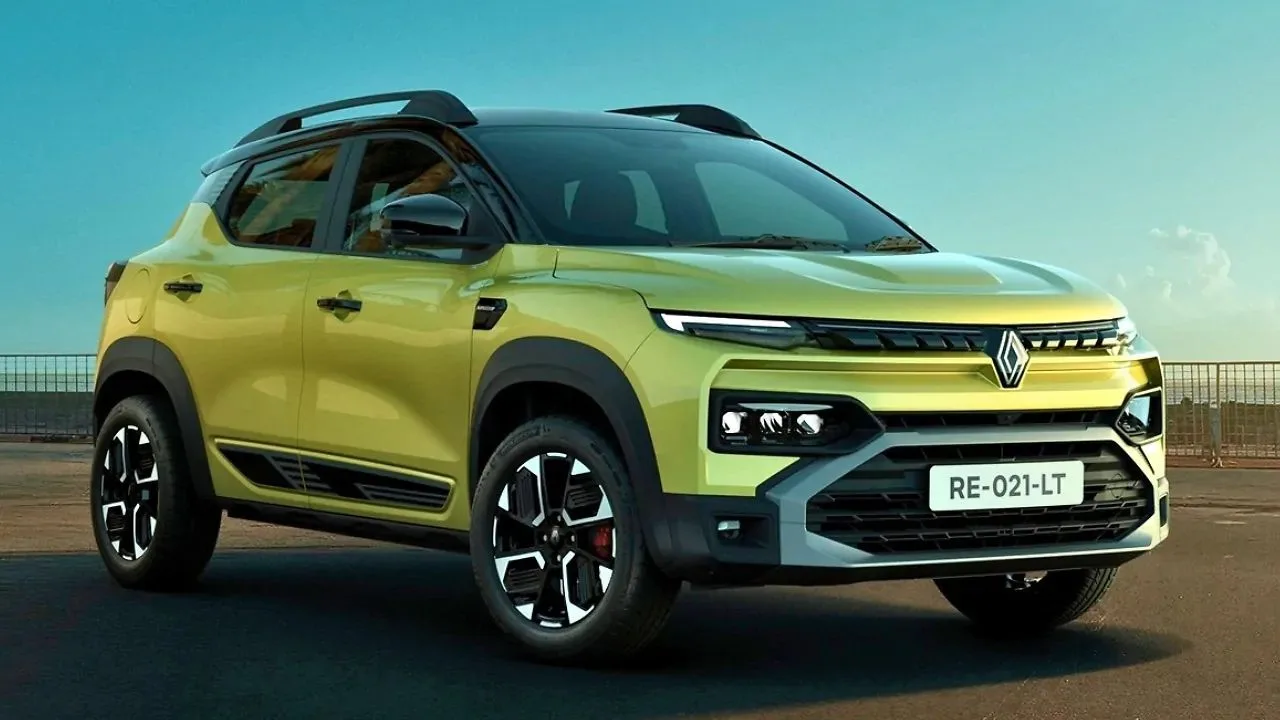
The Bridger is being designed as a true multi-energy vehicle. It is expected to offer petrol, turbo-petrol, hybrid, CNG, and electric powertrain options. A 1.2-litre engine could be used for both the standard petrol and turbo-petrol variants. Additionally, Renault is developing a new 1.2-litre three-cylinder hybrid engine that will use Miller cycle technology.
Nissan Tekton 7-Seater
Nissan is also preparing to launch a 7-seater version of its upcoming Tekton SUV. The company has stated plans to introduce it to the market by the end of the current financial year. While based on the same platform, the SUV will be slightly larger to accommodate three rows of seats.
The Tekton 7-seater is expected to feature a 1.3-litre turbo-petrol engine, likely offered with 6-speed manual and DCT gearbox options. However, it is unlikely that the 1.0-litre turbo-petrol engine will be included in this larger version.
Nissan Magnite Factory-Fitted CNG
The Nissan Magnite has long been a crucial model in the company’s Indian lineup. Now, a significant change to its engine could be on the horizon. The Magnite and Renault Kiger share the same platform; following the Kiger’s transition to the RGEP architecture, the Magnite could also benefit from this technology, potentially enabling the introduction of a factory-fitted CNG option. This could be Nissan’s first SUV to offer a factory-fitted CNG kit.
Nissan Bridger
Following the Renault-Bridger, Nissan will also launch its SUV based on the same architecture. While the mechanical setup of both models is likely to remain largely similar, there will be differences in their exterior design and styling. A similar strategy may also apply to other Renault-Nissan models, such as the Duster and Tekton.