


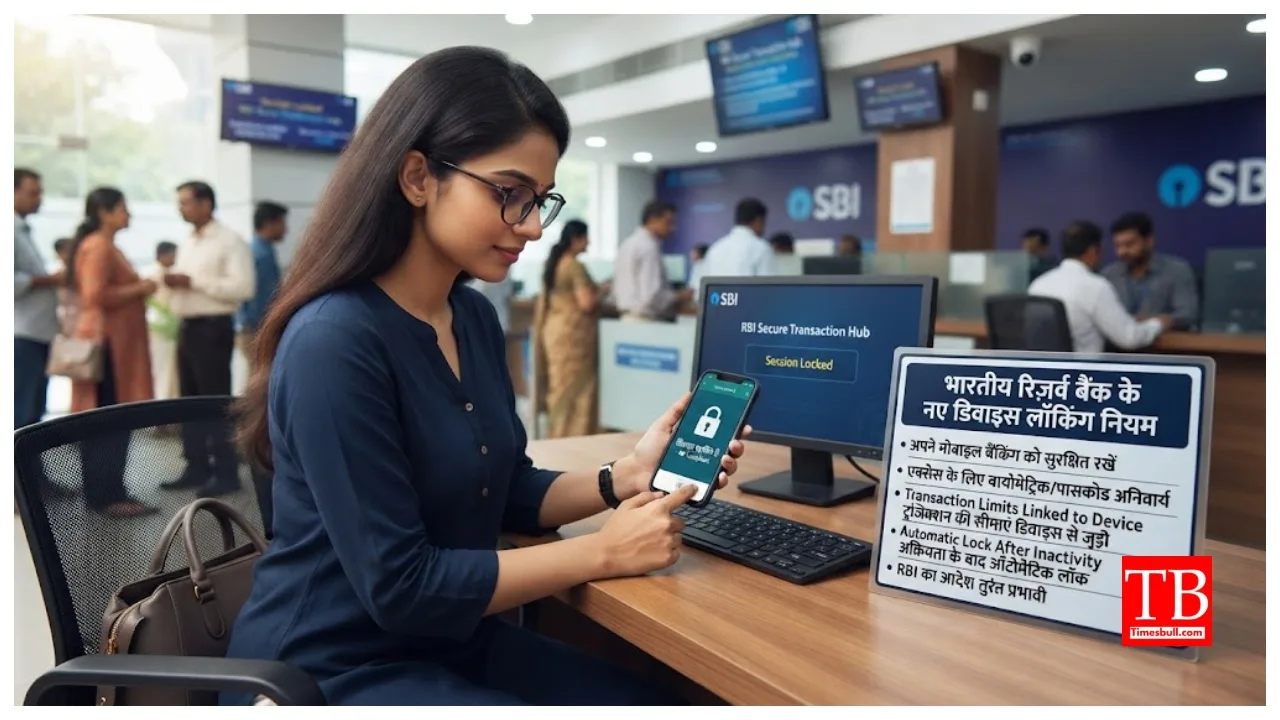
RBI EMI Rules: Nowadays, purchasing smartphones, tablets, laptops, etc., via EMI has become easy. However, as this market has expanded, lending companies and banks have adopted a practice of remotely locking customers’ smartphones using technology if EMI payments are missed. As a result, customers cannot use their phones or laptops. The RBI has now formulated new rules for lending companies.
Under the new RBI regulations, lending companies and banks will be banned from remotely controlling—specifically, remotely locking—financed smartphones, laptops, or tablets. Certain services will remain operational even after a phone is locked. The rules also specify the penalties banks must pay to customers if the phone is not unlocked after the outstanding amount is cleared. This new RBI rule will come into effect on January 1, 2027. This marks the first time the RBI has taken a major step to regulate loan recovery practices in this manner.
RBI Takes a Strict Stance
The RBI has observed that banks and lending companies were increasingly utilising technology-based recovery processes. When a borrower failed to pay an instalment, companies would remotely lock the financed phone. While the RBI acknowledges that banks and financial institutions have the right to recover outstanding dues, the regulator also recognises that this technology can become a tool for harassing customers.
The guidelines also specify the conditions under which a device can be locked, which features must remain active after the lock is applied, when notices regarding outstanding dues should be sent, and the timeframe within which the device must be reactivated after payment.
Can Banks Also Lock the Device?
In this regard, the RBI has clarified that banks cannot use remote restriction technology unless the loan was specifically granted for the purchase of that particular device. Simply put, if you have taken a personal loan, consumer loan, or any loan directly linked to a specific smartphone, laptop, or tablet, the bank cannot lock your device for recovery purposes. Furthermore, no bank can lock the device immediately after the EMI due date has passed.
What are the rules?
Under RBI regulations, banks can impose remote restrictions on smartphones, laptops, and tablets only after the payment is overdue by 30 days. A complete block on a financed device can be implemented if the loan remains unpaid for 60 consecutive days. The RBI has also emphasised that even when such a restriction is imposed, the bank cannot completely shut down the phone; essential basic services must remain operational. These include incoming calls, messaging services, emergency communication features, and digital facilities related to the customer’s employment.
Data that cannot be accessed
Customer privacy is a fundamental right. The Central Bank has stated that the technology used for loan recovery cannot be utilised to access customers’ personal data. Under the new rules, this restriction covers data such as contact lists, photos, videos, messages, call logs, location history, and other personal information.
Inform customers before imposing restrictions
The RBI has mandated that customers must be informed before any restriction is placed on their device. At the time of loan approval, banks must clearly state that the device could be remotely locked in the event of non-payment of EMIs. Customers must be notified immediately before activating such a remote lock. Additionally, the RBI has set a timeframe for unlocking the device once the outstanding balance is paid; banks must relinquish control over the device without delay as soon as the customer clears the dues.