


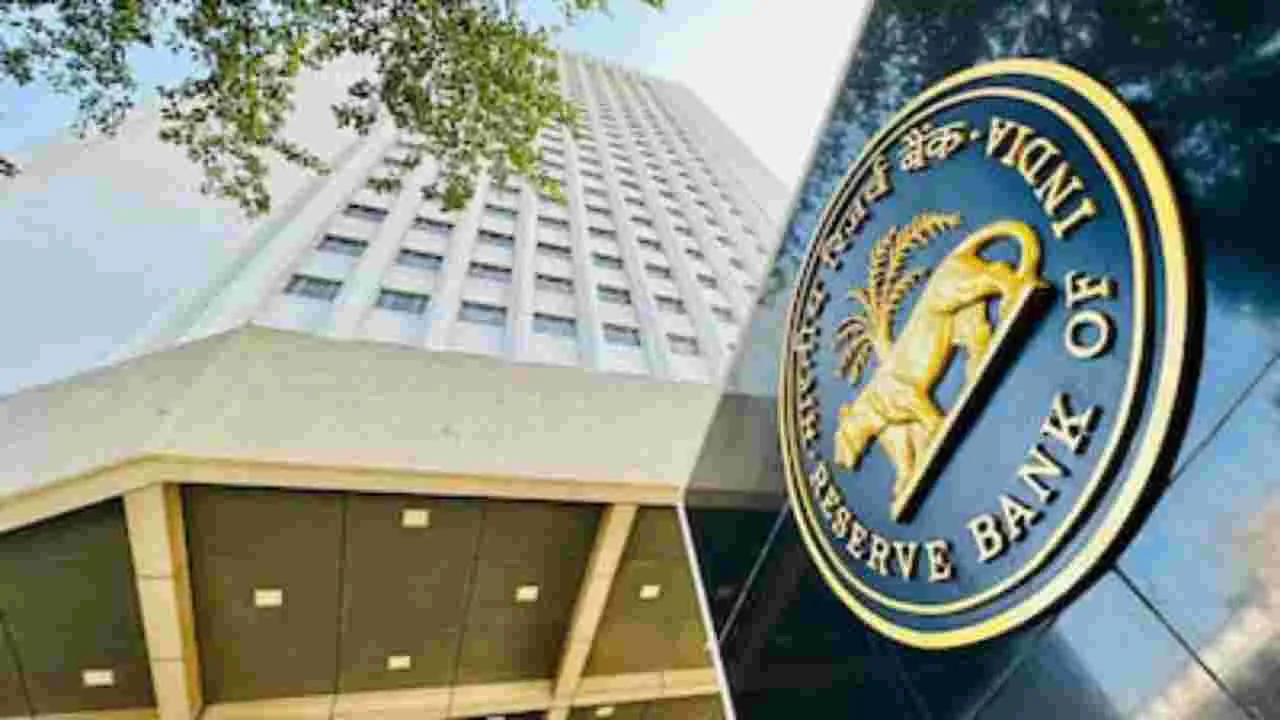
RBI Loan Rules 2027: The Reserve Bank of India (RBI) is planning to implement a change in the upcoming years that will speed up the effect of interest rate adjustments on floating-rate loans. This proposed RBI framework is still in draft form, and feedback is being accepted until September 11, 2026. If it receives approval, the new rule will take effect on April 1, 2027. So, you might be wondering: will your home loan EMI be affected? While the new rule won’t change your EMI right away, it could greatly influence how RBI’s rate cuts or hikes affect your loan rate.
The most significant proposed change by the RBI concerns the frequency of interest rate resets. At present, many floating-rate loans only reset once a year. This means that even if the RBI lowers the repo rate, borrowers may have to wait several months to experience the benefits.
What is the new rule?
Under the suggested framework, floating rate loans will need to reset at least every three months. For borrowers with repo-linked home loans, this could lead to quicker adjustments to both rate cuts and increases. In simpler terms, when rates drop, you could see the benefits sooner. However, when rates rise, the effects may also be felt more quickly.
In this context, Vijendra Singh Shekhawat, CEO of Choice Finserv Pvt Ltd, mentioned that the primary advantage for home loan borrowers will be improved timing and transparency rather than an immediate drop in rates. Shekhawat emphasized that the real advantage for home loan borrowers lies in timing and transparency, not necessarily in securing a lower rate from the outset. The effects of repo rate cuts will no longer take months to materialize, and for the first time, loan agreements will explicitly outline the benchmark your rate is based on and how frequently it can be adjusted. For new borrowers, the spread (the difference) above the benchmark is the key factor to consider, as this will remain relevant for the next 20 years.
What will happen to personal loan EMI?
Borrowers need to carefully read the fine print. The proposed reset framework applies to floating-rate loans. In retail lending, it applies specifically to home loans. Most personal and auto loans are fixed-rate loans. Therefore, these proposed RBI regulations will not result in any sudden changes to existing personal loan EMIs. However, new loan borrowers may need more clarity. The loan agreement must clearly state the benchmark used, the frequency of rate resets, and the date on which the reset will occur.
The draft also proposes that the non-credit portion of the spread remain unchanged for three years. This could make it easier for borrowers to understand what they are actually paying for.
What will happen to the existing home loan?
Existing floating-rate loan borrowers don’t need to take any action right now. According to the proposed rule, existing loans will be converted to the new structure by April 1, 2029. This conversion will require borrower consent. There will be no fee for this conversion, and the lender cannot increase the interest rate solely because of the change. This could also be a good opportunity for borrowers to review their existing loans