


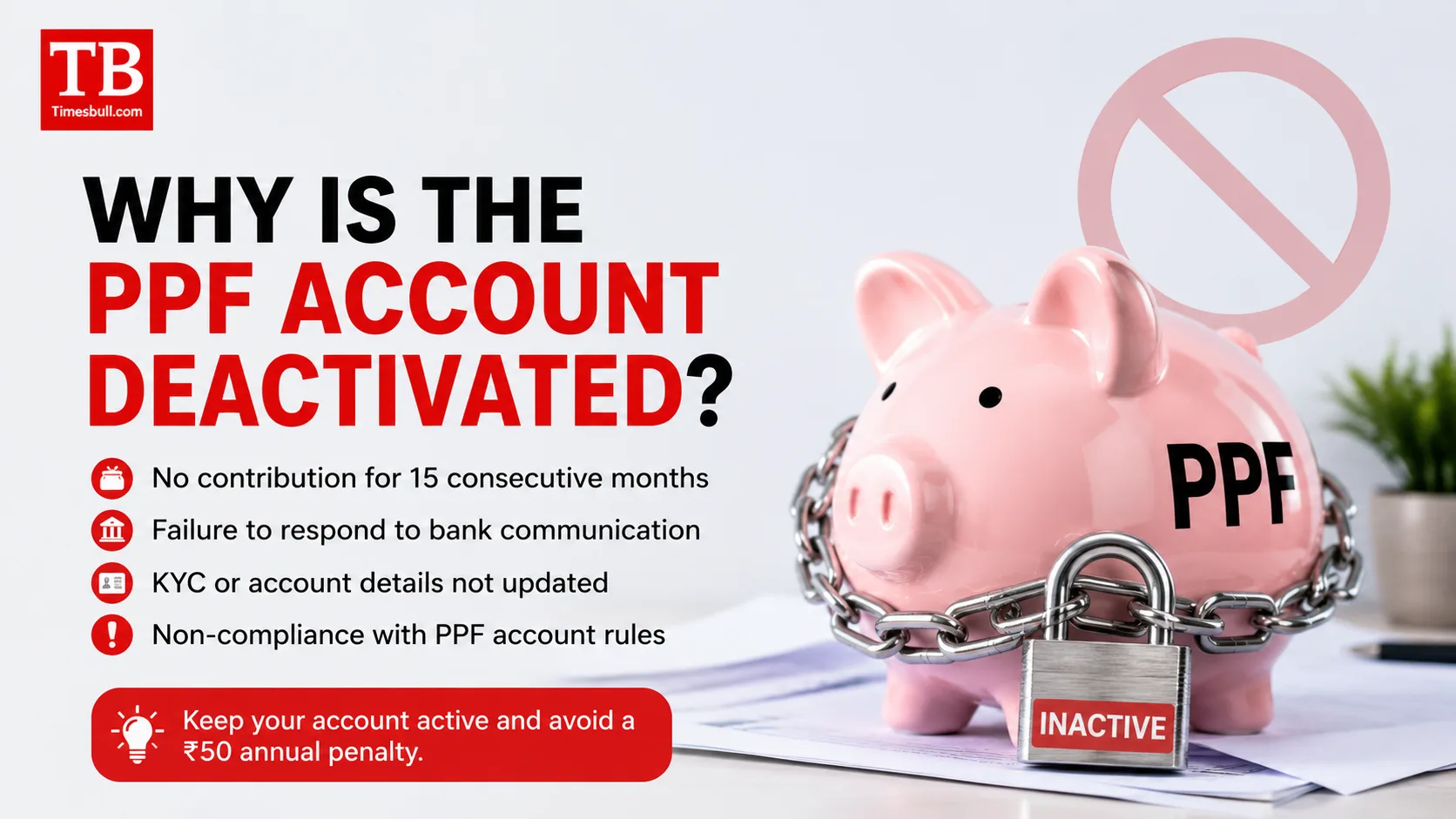
Why is the PPF account deactivated?
The tenure of PPF is 15 years and at present it gets 7.1% annual interest. As per the rules, it is mandatory to deposit at least ₹500 every financial year (April 1 to March 31) in the PPF account.
If you do not deposit even this minimum amount in a financial year, your account is deactivated. Keep in mind that the maximum annual deposit in the PPF account can be ₹1.5 lakh and you can invest in a maximum of 12 installments in a financial year, but it is extremely important to meet the minimum condition of ₹500. However, you continue to get interest on the amount deposited earlier, but till you reactivate your account, you are barred from making new investments in it.
Many people do not understand how a PPF account becomes inactive. They think that if they don 't invest in a few years, it doesn' t matter - Will do it later. But this thinking is wrong. PPF is a disciplined investment instrument, and regularity matters a lot.
As soon as you forget to deposit the minimum amount in a financial year, your account becomes inactive and you have to face the consequences.
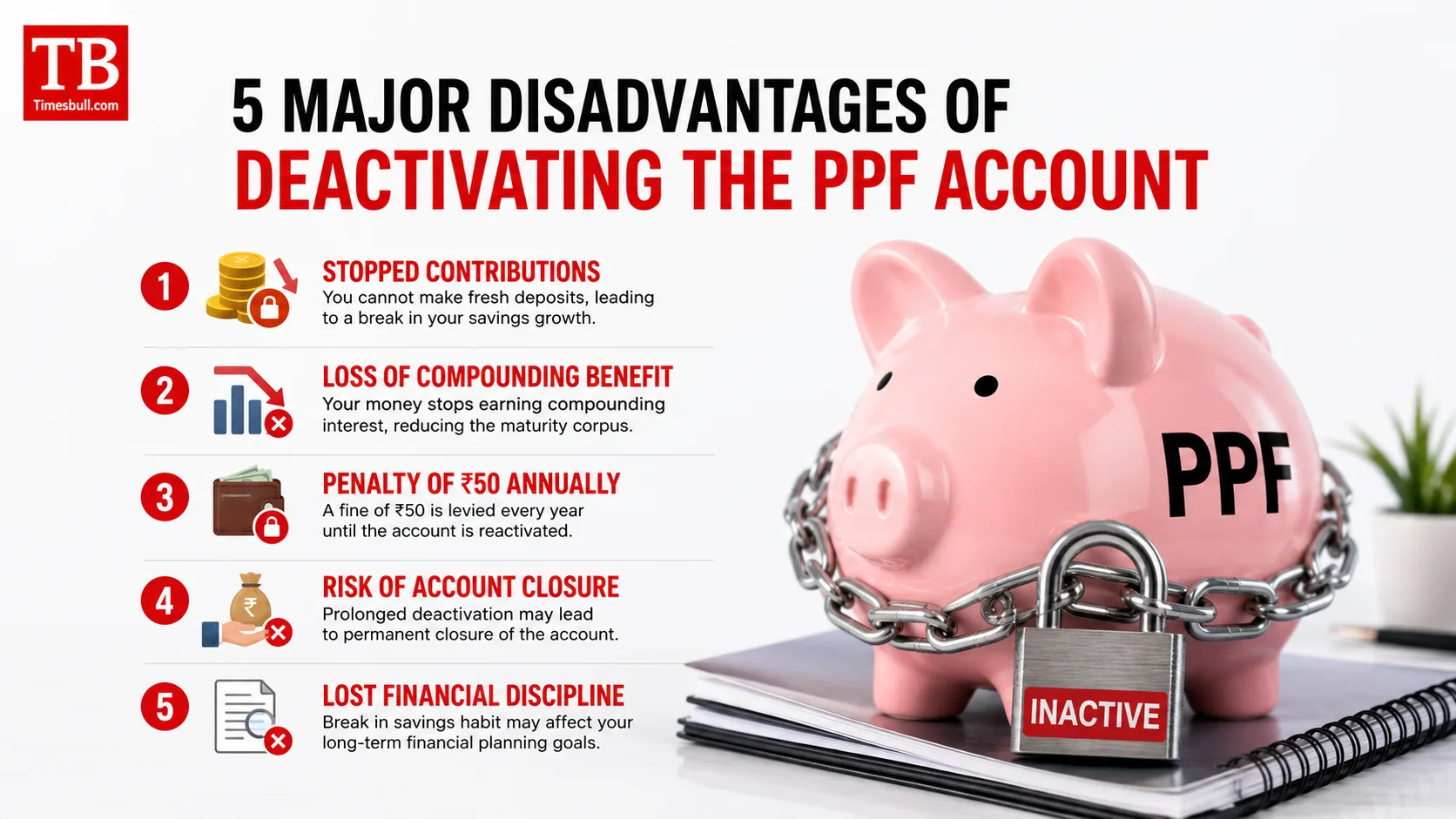
5 major disadvantages of deactivating the PPF account
When your PPF account becomes inactive, it can lead to many serious losses. The first and foremost problem is that new investments are blocked. Until the account is active, you cannot deposit a single rupee in it. This means that your entire investment plan comes to a halt. The second major problem is the loss of compound interest. Stopping investing reduces the profitability of compounding and affects your final corpus. In a period of 15 years, if there is no investment for 2-3 years, then you can lose lakhs of rupees.
Thirdly, there is an impact on loans and withdrawals. With an inactive account, you cannot make a loan from the third year or a partial withdrawal from the sixth year. Fourth, an additional penalty has to be paid - A penalty of ₹50 has to be paid every inactive year to activate the account. And fifth, waste of time. To activate the account, one has to fill the form, pay the penalty, and make rounds of the bank. That is, you also have to pay for your mistake and waste time.
Your PPF account has already been deactivated. Find out how
Many people do not know that their PPF account has become inactive. They do not invest for years and later find out that the account is closed. You can easily check the status of your PPF account. First, check the PPF passbook of your bank or post office. If there are no transactions (deposits or withdrawals) in the last few years, your account may have become inactive. Secondly, you can check the details of the PPF account through your bank's mobile app or net banking. Thirdly, you can directly go to your bank or post office and ask for the status of the PPF account.
If you find out that your account is inactive, don't panic - It can be reactivated. You just need to follow a few steps and pay the penalty. But the best thing is to keep investing regularly and do not let your account become inactive.
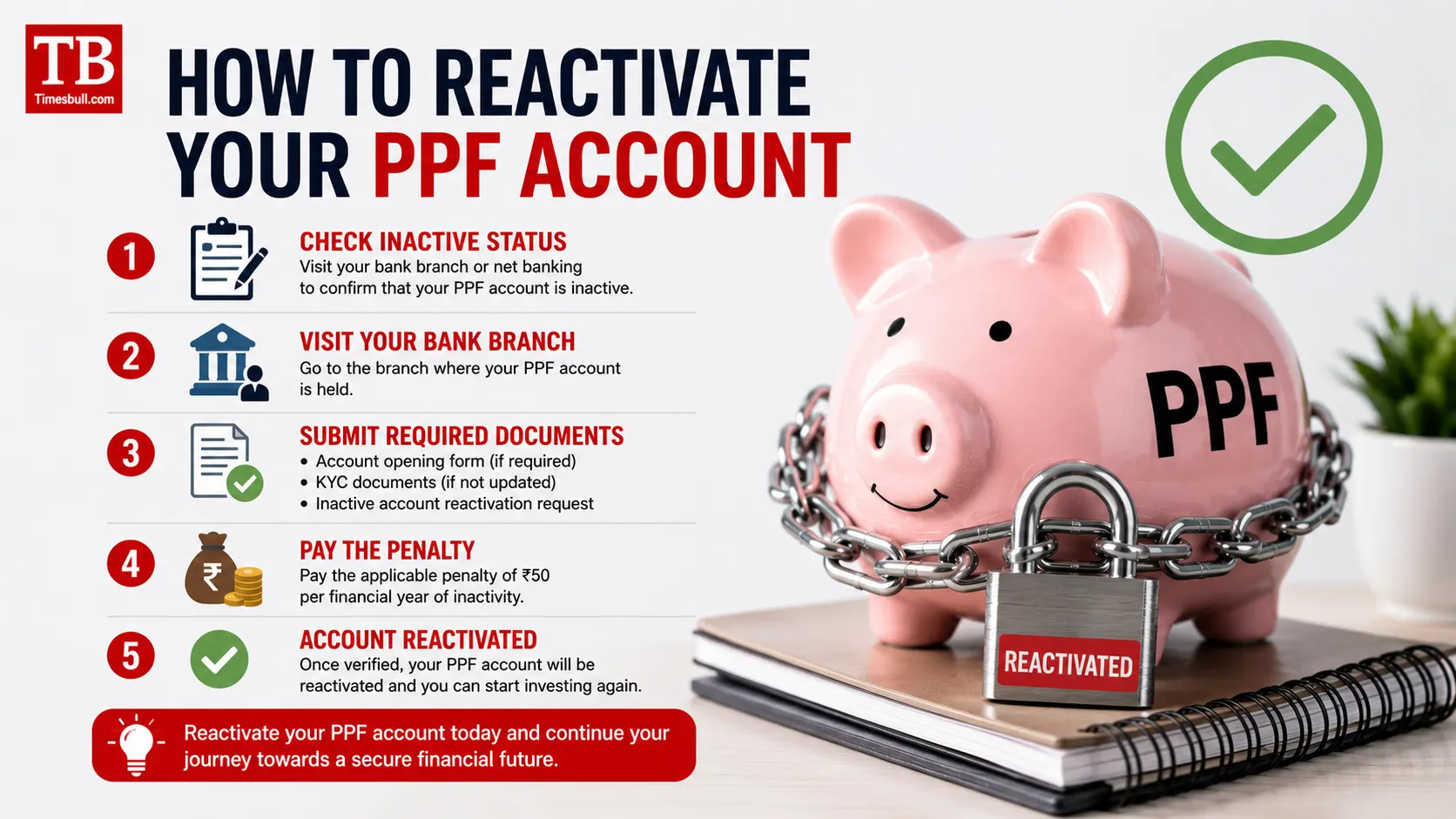
How to reactivate your PPF account
If your PPF account is closed or inactive, don't worry. You can activate it again. All you have to do is follow some simple steps. The first step is... Go to the bank or post office where your PPF account is open. There you have to submit an application to activate the account. The second step For all the years your account has been inactive, a penalty of ₹50 has to be deposited with the application for each year. For example, if your account has been inactive for 3 years, you will have to pay a penalty of ₹150. The third step You need to invest at least ₹500 for the current financial year. If you have not made even the minimum deposit of previous years, then it may also have to be deposited (with penalty).
After completing all the necessary procedures, your PPF account can be reactivated and you can take advantage of all its features as before. During the period of inactivity, you get interest on your investment, but further investment is possible only after the account is activated. That is, the money that was deposited earlier continues to earn interest, but new money cannot be added until the account is activated.
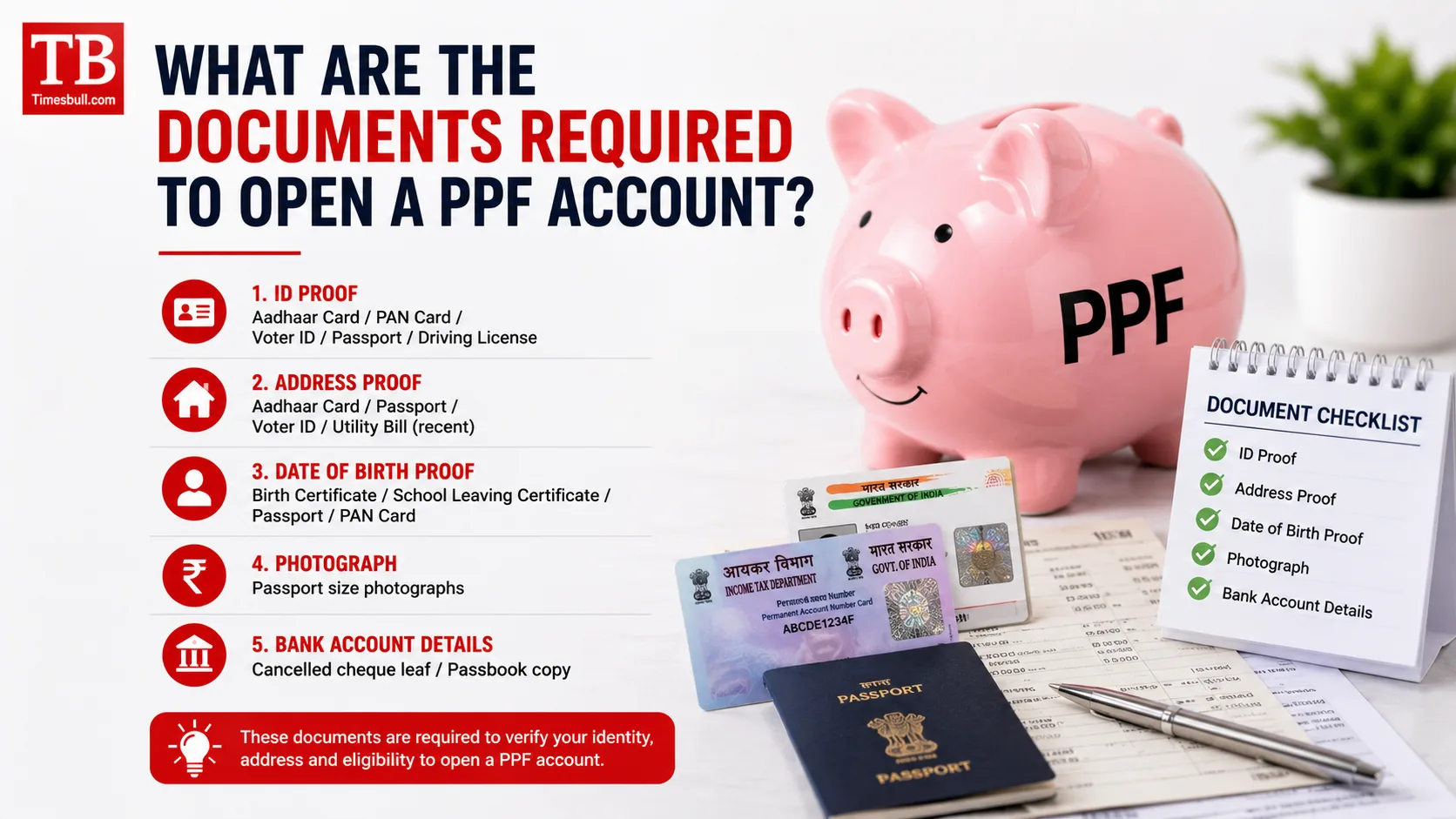
What are the documents required to open a PPF account?
When you go to the bank or post office to activate your PPF account, you need some documents. First, you need to carry your PPF account passbook with you, which contains your account number and other details. Secondly, you have to fill an application form, which you can get from the bank. Thirdly, you may also have to submit a copy of the Aadhaar card and PAN card. Fourth, if you are also depositing the minimum deposit amount of previous years, then a separate deposit slip will have to be filled for that.
Some banks also offer the facility to activate a PPF account online. You can also apply through your bank's net banking or mobile app. However, in most cases you have to do this work only by going to the branch. You also have to pay the penalty and minimum deposit amount at the same time. Therefore, when you go to the bank, also keep money with you.
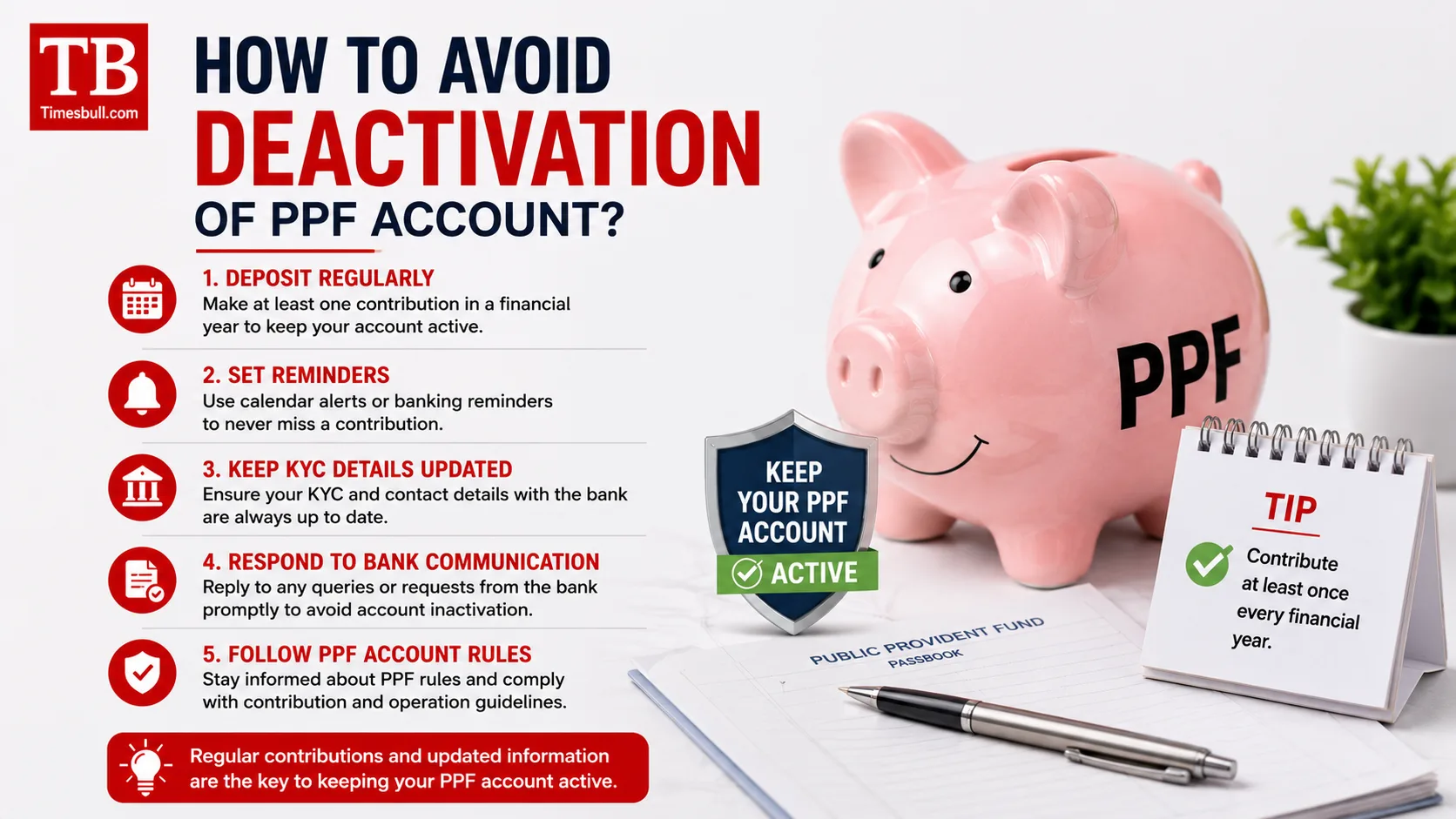
How to avoid deactivation of PPF account?
If you want to keep your PPF account active, then follow some simple habits. The easiest way is... Deposit a minimum of ₹500 in April or May every year. This eliminates the worry of the entire financial year and you do not need to be reminded in the middle. Secondly, take your PPF account just as seriously as other regular investments (like RD, FD) and make it a part of your budget.
The third and best way is... Use the facility of auto-debit. Set up auto-debit in your bank so that the money is automatically credited to your PPF account every month. With this, you do not have to remember anything and your investment keeps happening regularly. Fourth, check your PPF account balance and transaction history once at the beginning of every financial year. This will let you know if there is any deposit left.
Important things to know about investing in PPF
There are some other important things related to PPF account that you should know. First, the maximum deposit limit - A maximum of ₹1.5 lakh can be deposited in a financial year.
On depositing more than this, there is no interest or tax benefit. Secondly, the number of installments - You can invest in a maximum of 12 installments in a year.
That is, you can not put more than one installment every month. Third, the date of minimum deposit - There is no obligation that you have to deposit on a particular date, but the sooner you do, the more interest you will get, because the interest on PPF is calculated on the minimum balance of the month.
Fourth, account maturity - After 15 years, you can close the account or extend it in blocks of 5 years.
If you do not close the account after 15 years, it is automatically extended for 5 years, provided you keep making minimum deposits in it. Fifth, the rate of interest - The government fixes the interest rate every quarter. At present (Q1 FY 2026-27), 7.1 per cent annual interest rate is applicable on PPF. This rate keeps changing, but PPF is still one of the safest investment instruments.
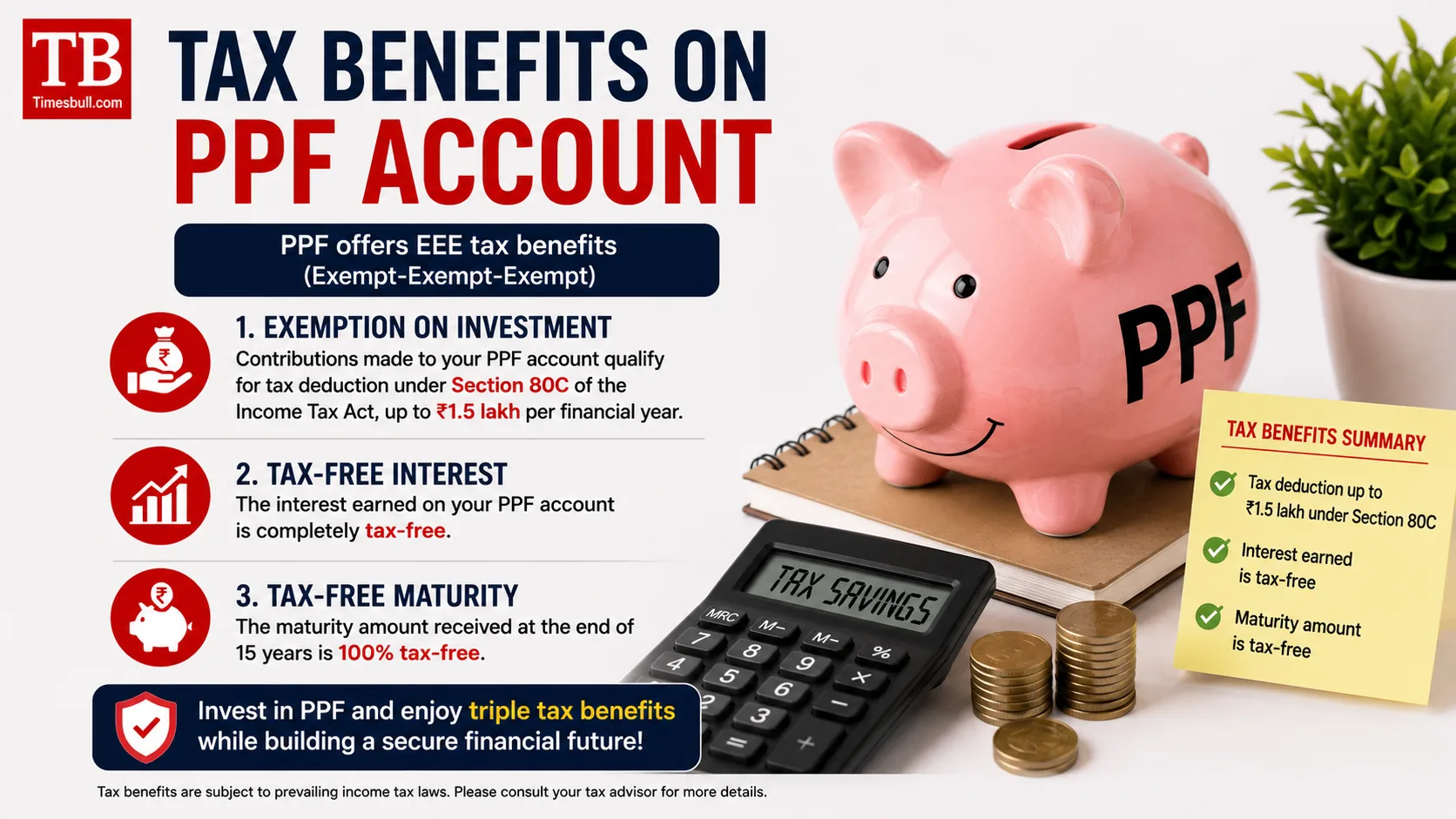
Tax benefits on PPF account
The biggest advantage of a PPF account is its tax benefits. PPF falls under the EEE (Exempt-Exempt-Exempt) category, i.e. you get tax exemption at all three levels - on investment, on interest and on maturity. Your PPF deposits up to Rs 1.5 lakh are eligible for tax deduction under Section 80C. Apart from this, the interest you get on PPF is also completely tax-free, and the entire amount received when the account matures is also tax-free. That is, PPF gives you the benefit of tax saving at all three levels.
Even if your PPF account is deactivated, the tax benefit on your old investment remains intact. But if you do not activate the account and do not make any investment for a long time, then your total corpus is reduced and you do not get much benefit of tax savings. Therefore, it is very important to keep your account active to take full advantage of the tax benefits of PPF.

Other investment options instead of PPF.
Apart from PPF, there are many other investment options that you can include in your portfolio. Employees' Provident Fund (EPF) is a great option, especially for government and private sector employees. It also fetches good interest and is tax-free. The National Pension System (NPS) is another robust option, which gives regular pension after retirement and the benefit of additional tax exemption (Section 80CCD).
Mutual funds are also a good option, especially for the long term. These can yield higher returns than PPF, but they also carry market risk. Fixed Deposits (FDs) and Recurring Deposits (RDs) are safe investments, but the interest earned on them is taxable. PPF is different from all these options as it offers completely tax-free returns and government guarantees. Therefore, PPF must be included for a balanced portfolio.