


PM Surya Ghar Yojana: The middle-class family’s daily life is centered around managing a budget, meticulously tracking expenses and celebrating every small saving. Conversations in these households often revolve around the duration of appliance usage, like the cooler or AC, and the anticipation of the monthly electricity bill. For the middle class, the electricity bill is not just a document but a source of monthly anxiety that influences their daily choices.
Why are solar panels a wise investment?
The campaign kicked off with two special episodes, “Aman’s Farewell” and “Papa’s Male Ego,” in ‘Gullak’ released in July 2026, which garnered over 3.2 million views on social media platforms. The narrative unfolds with the Mishra family facing the common dilemma of balancing comfort with the escalating electricity costs during a scorching Sunday morning. To tackle this recurring issue, Santosh Mishra, the prudent patriarch, makes a bold choice to install solar panels on his rooftop. His cautious demeanor makes this decision relatable to the audience, portraying solar energy adoption as a profitable move rather than a frivolous expense.
Building confidence through neighbors
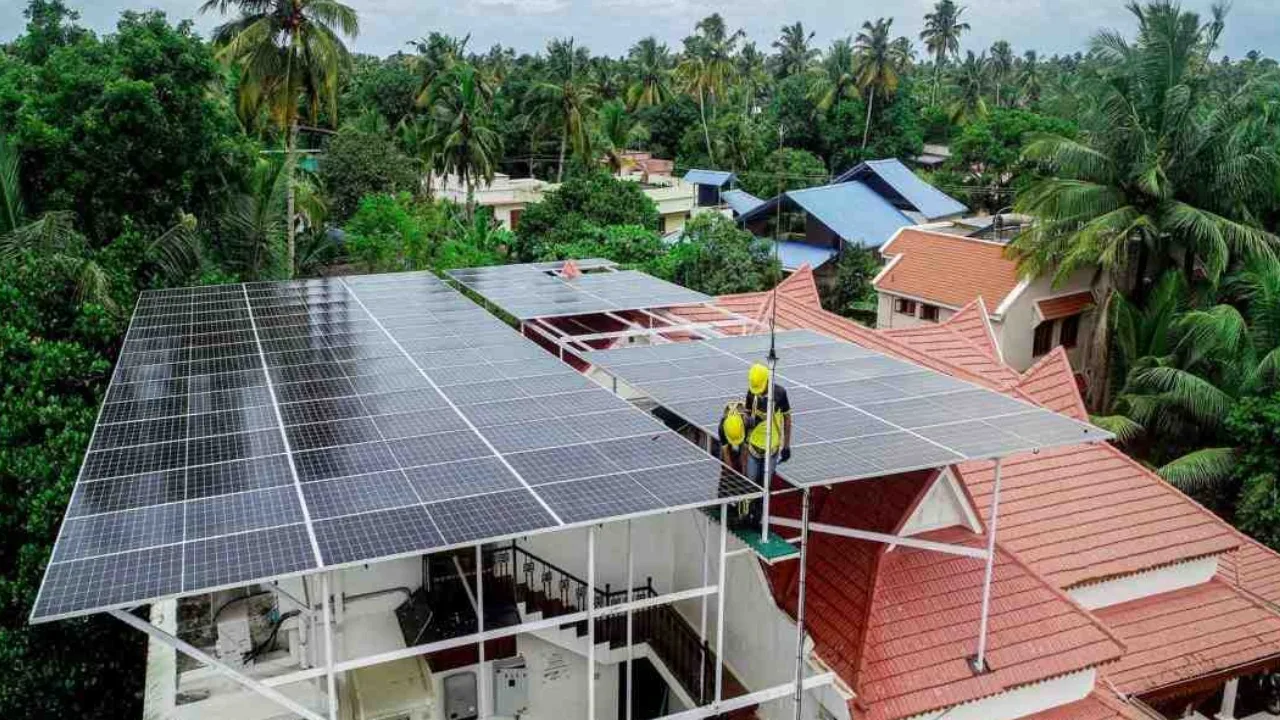
The plot progresses smoothly, dispelling misconceptions and uncertainties that hinder the middle class from embracing new technologies. Viewers are informed through dialogue that the scheme provides a substantial government subsidy of up to Rs 8,000 aRnd offers an accessible bank loan for the remainder at a low 6% interest rate, without requiring collateral. This information addresses the major concerns of the middle class – the hefty initial investment and bureaucratic hurdles. As Mishra’s roof gleams with actual solar panels in the subsequent episode, drastically reducing his electricity bill, even the most skeptical neighbor is swayed to apply for solar panels. This scenario taps into India’s “social proof” psychology, where witnessing tangible results in their vicinity persuades people to take action.
Transitioning from electricity bill woes to solar advocates
The collaboration exemplifies behavioral economics brilliantly by directly addressing the public’s financial worries and apprehensions about escalating electricity expenses, instead of delving into technical jargon like “climate change” or “environmental conservation.” The middle class, who prioritize financial stability, resonated with this approach immediately. Through Santosh Mishra, the initiative was portrayed as a “smart lifestyle upgrade” for ordinary families, alleviating the pressure to conserve electricity and allowing for a more carefree lifestyle.
With the government subsidy available until March 2027, “Gullak’s” narrative has instilled a sense of urgency in viewers to take prompt action. This innovative blend of entertainment has made a complex government policy a household conversation topic and motivated individuals to register on the national portal promptly, guiding the middle class from fretting over electricity bills to embracing solar energy.