



For millions of salaried employees and pensioners, the Employees' Pension Scheme (EPS) is the bedrock of their post-retirement financial security. Understanding how it works, its benefits, and recent updates is crucial for effective retirement planning. This guide breaks down the key aspects of the EPS in a clear, human-friendly format.
What Exactly is the Employees' Pension Scheme (EPS)?
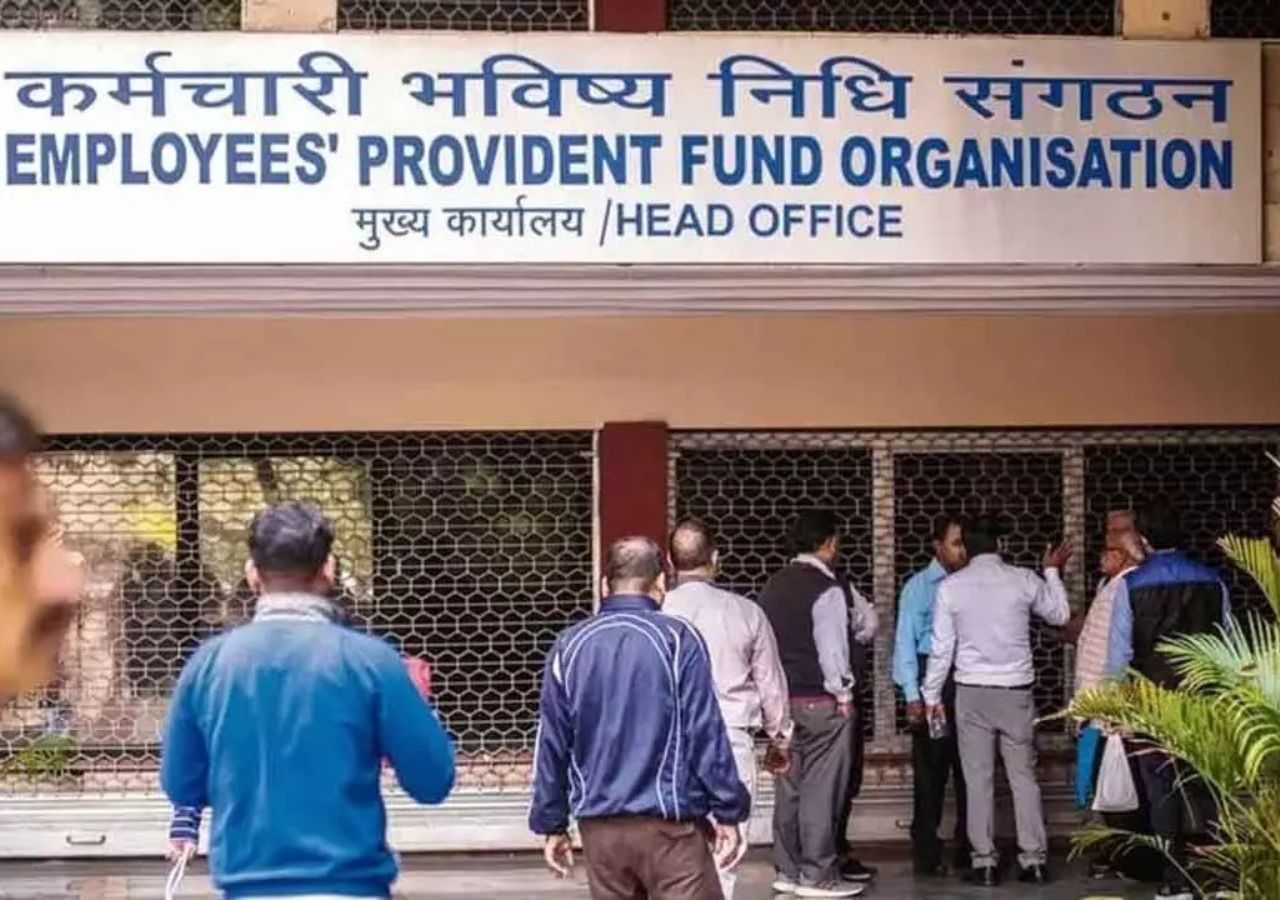
The Employees' Pension Scheme is a social security program managed by the Employees' Provident Fund Organisation (EPFO). It is funded by contributions from the employer (8.33% of the employee's monthly salary) and a central government contribution (1.16% of pay). Importantly, the employee does not contribute directly to the pension fund; their entire 12% contribution goes to the Employees' Provident Fund (EPF).

Key Benefits for Employees and Pensioners
The EPS offers a suite of benefits designed to provide long-term security: Monthly Pension upon Retirement: The cornerstone benefit. The amount is calculated based on your pensionable salary and the number of years of service. Pension for Family after Member's Death: In the unfortunate event of a member's death, the family receives a monthly pension, ensuring continued financial support. Lump-Sum Withdrawal: Members who have not completed the required service period (10 years) for a monthly pension are eligible to withdraw a lump-sum amount upon retirement. Disability Pension: Members who are permanently and totally disabled during their service are entitled to a lifelong pension, regardless of their service period.

How Your Monthly Pension Amount is Calculated
The pension calculation uses a specific formula: Monthly Pension = (Pensionable Salary * Number of Years of Service) / 70 Pensionable Salary: This is the average of your last 60 months' salary. It is subject to a cap, which is periodically revised by the EPFO. Years of Service: Your total number of years contributing to the EPS. Example: If your average pensionable salary is ₹25,000 and you have worked for 30 years, your pension would be approximately (25,000 * 30) / 70 = ₹10,714 per month.

Recent Updates and Changes to the Scheme
The EPS has undergone significant updates to keep pace with economic changes and enhance member benefits. Key recent changes include: Higher Pension Option: Following a Supreme Court ruling, eligible employees had the opportunity to opt for a higher pension contribution on their actual salary (instead of the statutory wage ceiling). This was a one-time opportunity for those who met specific criteria. Increased Minimum Pension: The government has implemented a minimum pension of ₹1,000 per month for pensioners, providing a basic safety net. Digital Access: Pensioners can now easily access their pension-related information, including payment status and documents, through the EPFO's unified member portal.

Fact Check: Clarifying Common EPS Misconceptions
Myth: "My entire PF contribution goes towards my pension." Fact: False. Only your employer's contribution (8.33%) goes to the EPS. Your 12% contribution goes entirely to your EPF account.