


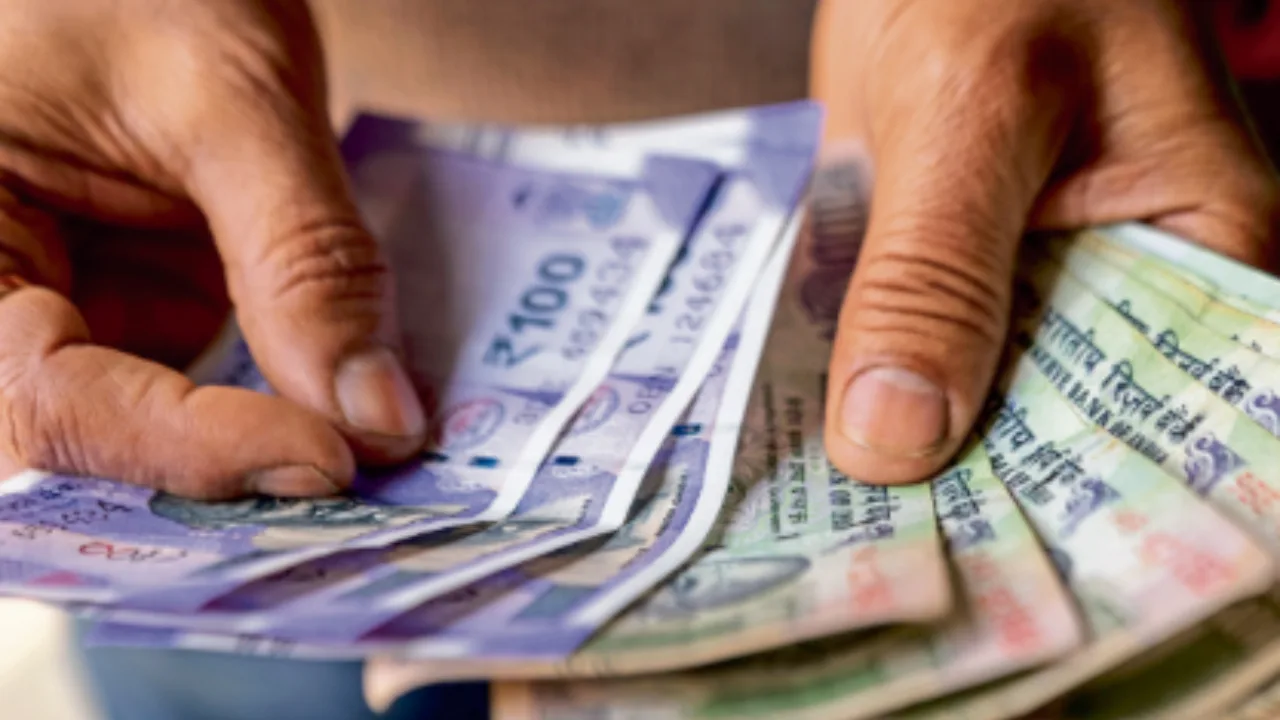
8th Pay Commission: The central government has started the process for the 8th Central Pay Commission. This commission will assess the salaries, pensions, and allowances of central government employees. The Finance Ministry has requested input from employees, pensioners, employee organizations, and other stakeholders. An online portal has been created for this purpose, allowing suggestions to be submitted until April 30, 2026.
The government released the commission’s terms of reference on November 3, 2025. The commission has been allotted 18 months to present its report. Changes to salaries and pensions will only take effect after the report is submitted and approved by the government.
How many individuals will be impacted?
The recommendations from the 8th Pay Commission will influence around 5 million central government employees and about 6.9 million pensioners. If the commission proposes new recommendations and the government endorses them, there could be significant alterations in the salaries and pensions of employees.
What is a Pay Commission?
The Central Government periodically establishes a Pay Commission. Its role is to evaluate the salary structure of government employees. The Commission suggests modifications in salaries and allowances, considering inflation, economic conditions, and the government’s financial capabilities. The first Pay Commission in India was established in 1946. Since then, seven Pay Commissions have been enacted.
What occurred in the 7th Pay Commission?
The 7th Pay Commission was put into effect in 2016. Under this scheme, the minimum basic salary for central government employees was set at Rs 18,000 per month, while the maximum basic salary was established at Rs 2.5 lakh per month.
How salaries have evolved over time?
There has been a steady rise in the salaries of government employees due to various pay commissions.
First Pay Commission (1946-47): Minimum salary was Rs 55, while the maximum was Rs 2,000.
Second Pay Commission (1957-59): Minimum salary increased to Rs 80, with a maximum of Rs 3,000.
Third Pay Commission (1972-73): Minimum salary reached Rs 196, and the maximum was Rs 3,500.
Fourth Pay Commission (1986): Minimum salary set at Rs 750, with a maximum of Rs 8,000.
Fifth Pay Commission (1996): Minimum salary rose to Rs 2,550, and the maximum soared to Rs 26,000.
Sixth Pay Commission (2006): Minimum salary jumped to Rs 7,000, while the maximum hit Rs 80,000.
Seventh Pay Commission (2016): Minimum salary now stands at Rs 18,000, with a maximum of Rs 2.5 lakh.
Could the minimum salary be Rs 46,000?
Some reports suggest that the minimum salary following the 8th Pay Commission might fall between Rs 40,000 and Rs 46,000. This projection is based on the fitment factor, which is the multiplier that adjusts old salaries to new ones. However, the government has made it clear that no final decision has been reached regarding the new salary structure. This process is quite lengthy.
According to the government, the salary increase will not take effect immediately. Initially, the commission will present its report. Following that, the government will review and approve it. Subsequently, provisions will be included in the budget. Thus, the collection of suggestions marks the first step. The adjustments in salary and pension may require some time before they are put into action.