
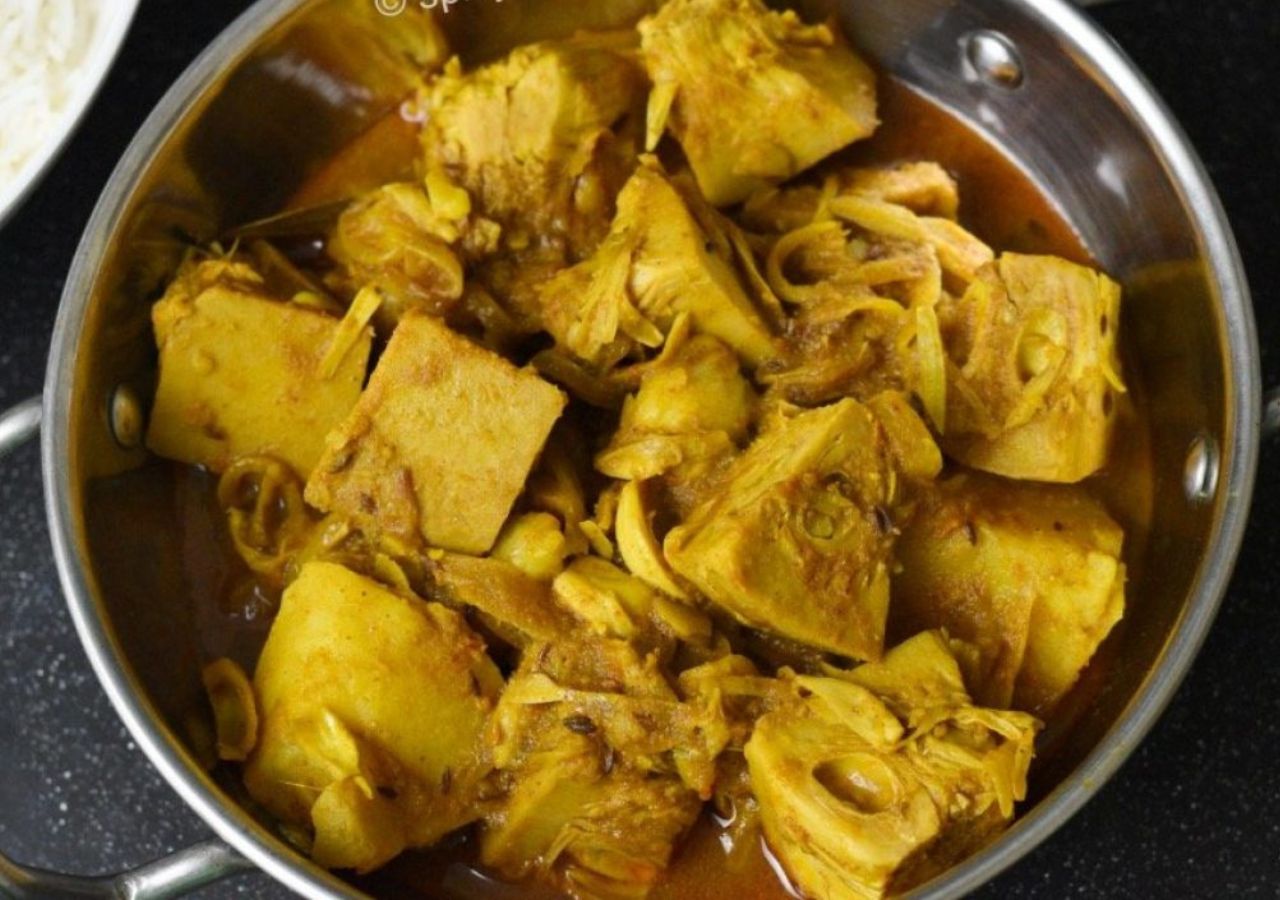
Kathal ki Sabzi : Move over, meat—there’s a vegetarian superstar taking center stage in kitchens across India. Kathal, or raw jackfruit, is the key ingredient for a hearty, delicious, and utterly satisfying curry known as Kathal ki Sabzi. This dish is a beloved staple in North Indian homes, especially during the summer months when jackfruit is in season. Its meaty texture and incredible ability to absorb spices make it a fantastic plant-based alternative that even non-vegetarians crave.
But what makes this dish so special? It’s a celebration of texture and flavor. When cooked slowly with a blend of aromatic spices, the tough, raw jackfruit transforms into tender, flavorful morsels that mimic the pull of meat in a curry. It’s a comfort food that is both nutritious and packed with a punch.
The Heart of the Dish: Ingredients and Spices
The magic of a great Kathal sabzi lies in its spice blend. While recipes vary from family to family, the core ingredients create its signature taste:
-
Kathal (Raw Jackfruit): The star. It’s important to use young, green jackfruit with neutral sweetness and no developed seeds.
-
The Base: Onions, tomatoes, ginger, and garlic form the flavorful gravy.
-
The Spice Orchestra: Whole spices like bay leaf, cumin seeds, and fennel seeds start the process. The ground spice power comes from coriander powder, red chili powder, turmeric, and most importantly, garam masala. A pinch of asafoetida (hing) adds a deep, savory note.
-
The Cooking Medium: Mustard oil is traditionally used and highly recommended. It gives the sabzi an authentic, pungent depth that complements the jackfruit perfectly, though any neutral oil will work.
How to Make Authentic Kathal ki Sabzi at Home
The process is simple but requires a little patience for the best results.
-
Prep the Jackfruit: Coat the chopped kathal pieces with turmeric and red chili powder. Lightly shallow fry or sauté them until slightly golden. This step is crucial as it seals the moisture and prevents the pieces from becoming mushy later.
-
Temper the Spices: Heat mustard oil until it smokes slightly, then cool it down. Add cumin seeds, bay leaf, and asafoetida until they crackle.
-
Build the Base: Sauté onions until golden brown, then add ginger-garlic paste. Follow with tomatoes and all the dry spice powders (coriander, turmeric, etc.). Cook this masala until the oil starts to separate from the sides.
-
Combine and Simmer: Add the pre-cooked kathal pieces to the masala. Mix well so every piece is coated. Add a little water, cover the pot, and let it simmer on low heat for 20-25 minutes. This slow cooking allows the jackfruit to become tender and soak up all the incredible flavors.
-
The Final Touch: Finish with a generous sprinkle of garam masala and fresh coriander leaves.
Serve this glorious curry hot with fluffy rumali roti, plain paratha, or a simple side of jeera rice and a cool raita.
Fact Check: Nutritional Powerhouse
Is Kathal healthy? Absolutely. Here’s why:
-
Rich in Fiber: Excellent for digestion and gut health.
-
Plant-Based Protein: A great source of protein for vegetarian and vegan diets.
-
Packed with Nutrients: It contains Vitamin C, Vitamin B6, potassium, and magnesium.
-
Low in Calories: Compared to its density, it is relatively low in calories, making it a filling yet healthy choice.
Latest News
- Weather Warning Delhi-NCR – Rain Alert & Dust Storm in Next 2-3 Hours, IMD Issues Yellow Alert

- PM Kisan Samman Nidhi Yojana: नहीं मिल रही 2000 रुपये की किस्त तो किसान तुरंत करवा लें यह काम

- Aadhaar Card Update Rules – How Many Times Can You Change Address, DOB & Number?

- Train Ticket: How to book a confirmed train ticket without an agent? Learn the Easy Steps

- Indian Railways– 155 Trains Express Declared High-Speed, Thousands of Railway Staff to Benefit

- Monsoon Alert – Warning Heavy to Very Heavy Rain alert & thunderstorms in 22 States Over Next 4 Days

- America-Iran War: मिडिल ईस्ट में तनाव होगा खत्म! ईरान ने होर्मुज रास्ते पर कही बड़ी बात

- PM Surya Ghar Yojana 2026: Get Up to Rs 78,000 Subsidy within 6 Easy Steps, Know Here

- Cheapest Available 5G Smartphones in India Under 10000

- UPSC Prelims Answer Key 2026 – How to Download UPSC Prelims Answer Key at upsc.gov.in