


Petrol Diesel Price: Following the easing of Israel-Iran tensions, crude oil prices have fallen to around $70 per barrel. Now, the public has increased expectations of cheaper petrol and diesel prices. Currently, only Nayara Energy has reduced petrol and diesel prices. According to experts, it may take some time for the impact of the international crude oil price drop to be reflected in retail petrol and diesel prices. However, the final decision will depend on several other factors, including inflation, taxes, refining costs, and government policies.
During the war between Israel and Iran, which caused worldwide turmoil, crude oil prices surged. Crude oil reached close to $120 per barrel, but now, amid hopes of a thaw, Brent crude prices have fallen to around $70 per barrel. Many expect a decline in crude oil prices to also lead to a decrease in petrol and diesel prices.
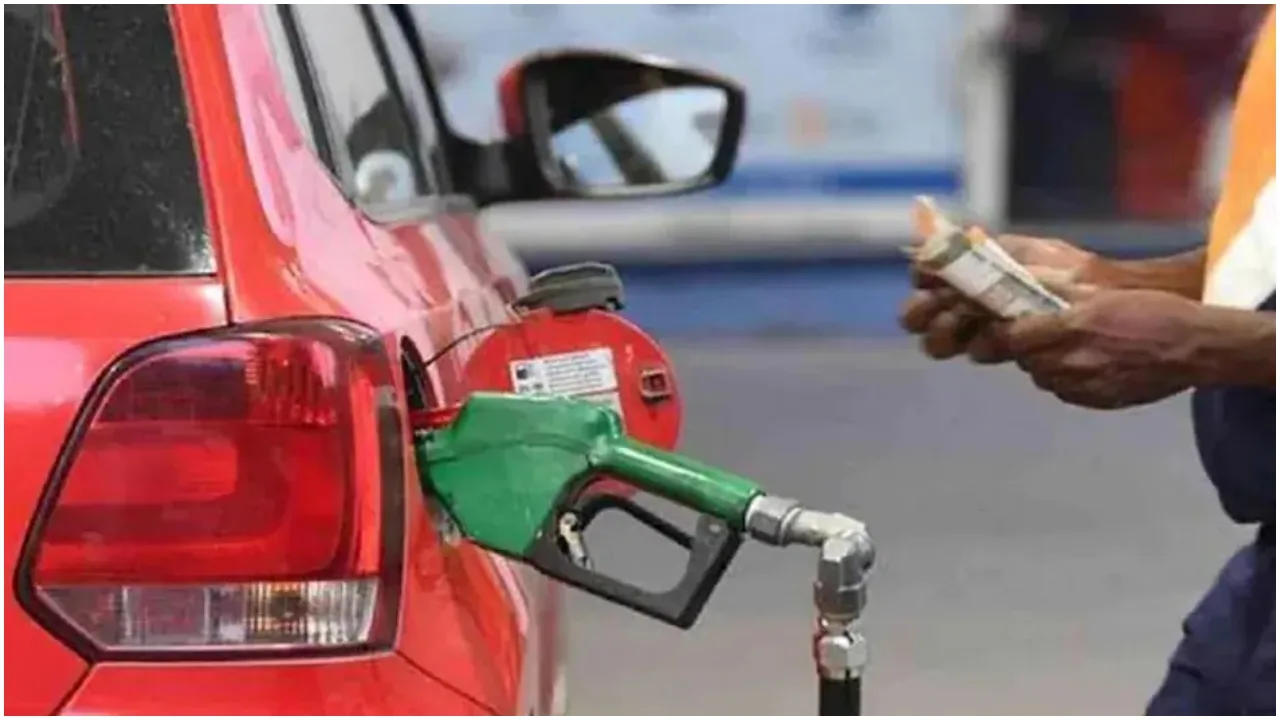
Nayara Energy recently cut petrol and diesel prices. The company reduced petrol prices by Rs 5 per liter and diesel prices by Rs 3 per liter. Oil and gas companies had previously raised petrol and diesel prices due to rising tensions in the Middle East. Now, the biggest question is whether other oil companies will also reduce petrol and diesel prices.
Currently, Indian Oil Corporation, Bharat Petroleum, and Hindustan Petroleum have not changed petrol and diesel prices, but oil marketing companies have reduced the price of 19 kg commercial cylinders by Rs 173 to Rs 184. The price of LPG in Delhi has dropped from Rs 3,113 to Rs 2,930. However, the price of domestic LPG cylinders has remained unchanged.
ATF prices have also been reduced by Rs 5 per liter. According to many experts, India is now in a favorable position regarding fuel prices. Crude oil prices have now come down from high levels. However, petrol and diesel prices depend on many factors, including refining costs, freight charges, exchange rates, taxes, and oil company commissions.
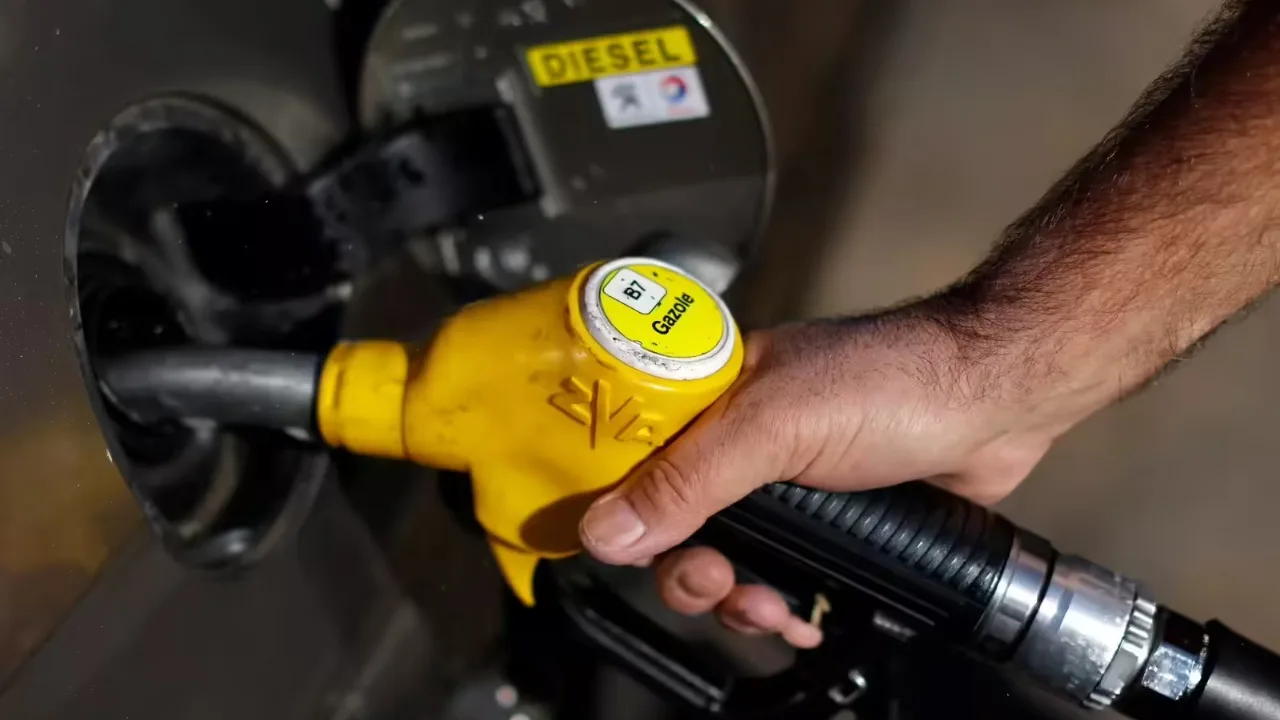
Maxwell, as reported by the Financial Express, noted that it takes approximately two to four weeks for the impact of falling international crude oil prices to be reflected in refinery costs. He added that concrete discussions regarding reductions in retail petrol and diesel prices could occur between the second half of July and early August.
Maxwell explained that LPG cylinder prices don’t depend solely on crude oil prices. International LPG prices, along with government subsidy policies, also play a significant role in determining domestic gas cylinder prices. He said that the decision to reduce petrol and diesel prices will also be taken in light of the inflationary situation. Lower fuel prices could reduce transportation costs, which would also reduce inflationary pressure. He believes that if food inflation remains under control and energy prices fall, the government may consider reducing fuel prices to provide relief to the public.
According to data from the Petroleum Planning and Analysis Cell (PPAC), the price of the Indian crude oil basket fell to $68.86 per barrel on June 26-27, a drop of more than 56% from its March high. Despite this, petrol and diesel prices did not decrease immediately. This is because when crude oil prices rose, state-owned oil companies like Indian Oil, Bharat Petroleum, and Hindustan Petroleum did not pass on the full cost to consumers. Now, these companies are first compensating for those losses. Consequently, petrol and diesel prices were not immediately reduced after the oil price decrease. However, according to many experts, petrol and diesel prices may decrease in the coming months.
Click here to add News18 as your favourite news source on Google .