


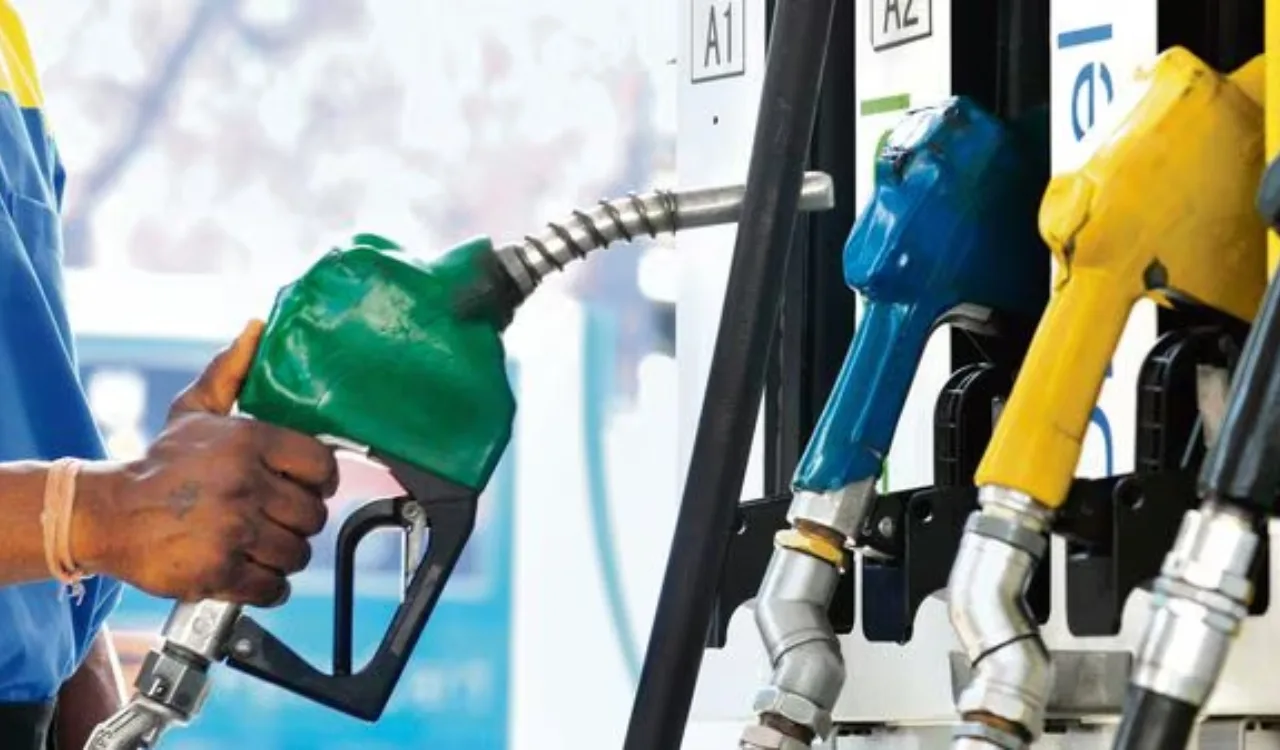
Petrol Diesel Price: There are fears of a deepening global oil crisis once again. The International Energy Agency (IEA) has warned that if tensions between the US and Iran escalate into a full-scale war, it could have a direct impact on global oil supplies and fuel prices. The IEA says that while the global oil market is gradually stabilizing, rising tensions in West Asia could reverse this recovery at any time. If oil production or sea routes in this region are affected, global crude oil supplies could decrease and petrol and diesel prices could become more expensive.
The closure of the Strait of Hormuz has raised concerns
According to the IEA, the greatest threat relates to the Strait of Hormuz. It is one of the world’s most vital maritime oil routes. A large quantity of crude oil reaches various countries daily through it. According to the report, if the Strait of Hormuz were to close, the daily supply of approximately 14 million barrels of crude oil could be disrupted. Such a significant disruption could lead to a global fuel shortage and a sharp rise in oil prices.

The world economy could be affected
West Asia is one of the world’s largest crude oil exporters. Therefore, any military conflict in this region could have not only regional but also global implications. If production in oil-producing countries decreases or shipping is disrupted, the global availability of crude oil will decrease. This could impact the prices of petrol, diesel, aviation fuel, and gas. Experts believe that higher fuel prices could directly impact the pockets of ordinary people, transportation costs, and inflation.
The IEA stated that there is currently sufficient availability of oil in the global market, and that supplies remain normal. However, the agency clarified that the market remains highly sensitive. If tensions between the US and Iran escalate further, the current balance could be disrupted within a short time. The report stated that geopolitical risks remain the biggest concern for the oil market.
Relief may come from OPEC+ and other countries
According to the report, OPEC+ member countries are gradually withdrawing previously imposed production cuts. They can provide additional crude oil to the market if needed. Additionally, several oil-producing countries outside OPEC are also increasing their production. This could mitigate the supply shortage to some extent. However, the IEA notes that if oil exports from the Gulf region are affected or major sea routes are disrupted, even additional production may not be sufficient to fully address the situation.
The IEA stated that while the oil market appears normal at the moment, investors and governments are closely monitoring developments between the United States and Iran. If military tensions between the two countries escalate further, the global oil market could once again experience significant volatility. This could lead to sharp increases in crude oil prices and increase inflationary pressures in many countries. Experts believe that the situation in West Asia will play a key role in determining the direction of the global energy market in the coming days.