


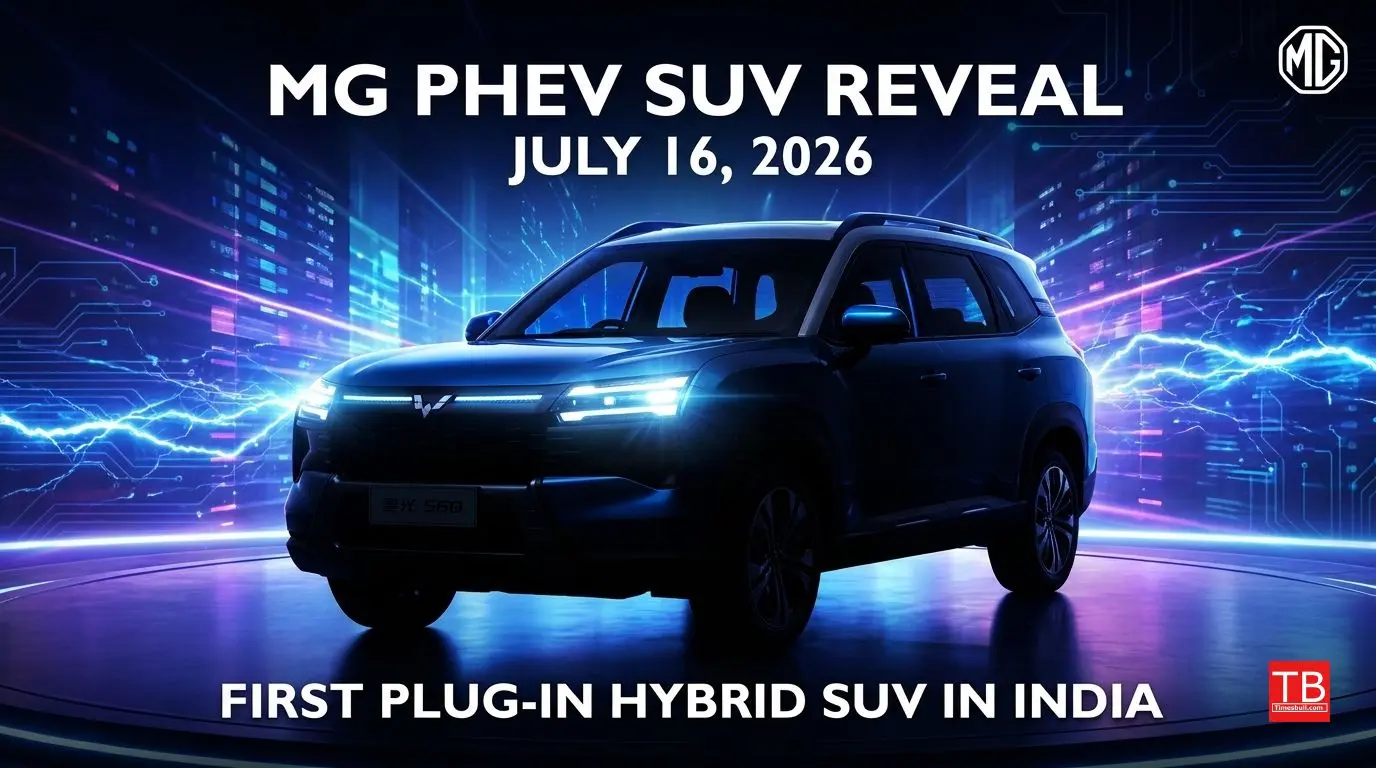
MG's New PHEV SUV – To be Unveiled on July 16
The image shows a teaser poster for MG's upcoming PHEV SUV. The company has confirmed the date as July 16, 2026. This will be MG's first plug-in hybrid vehicle in India and a key part of the company's 'New Energy Vehicles' portfolio. While the model's name has not been officially announced yet, it is expected to be based on the Wuling Starlight 560.
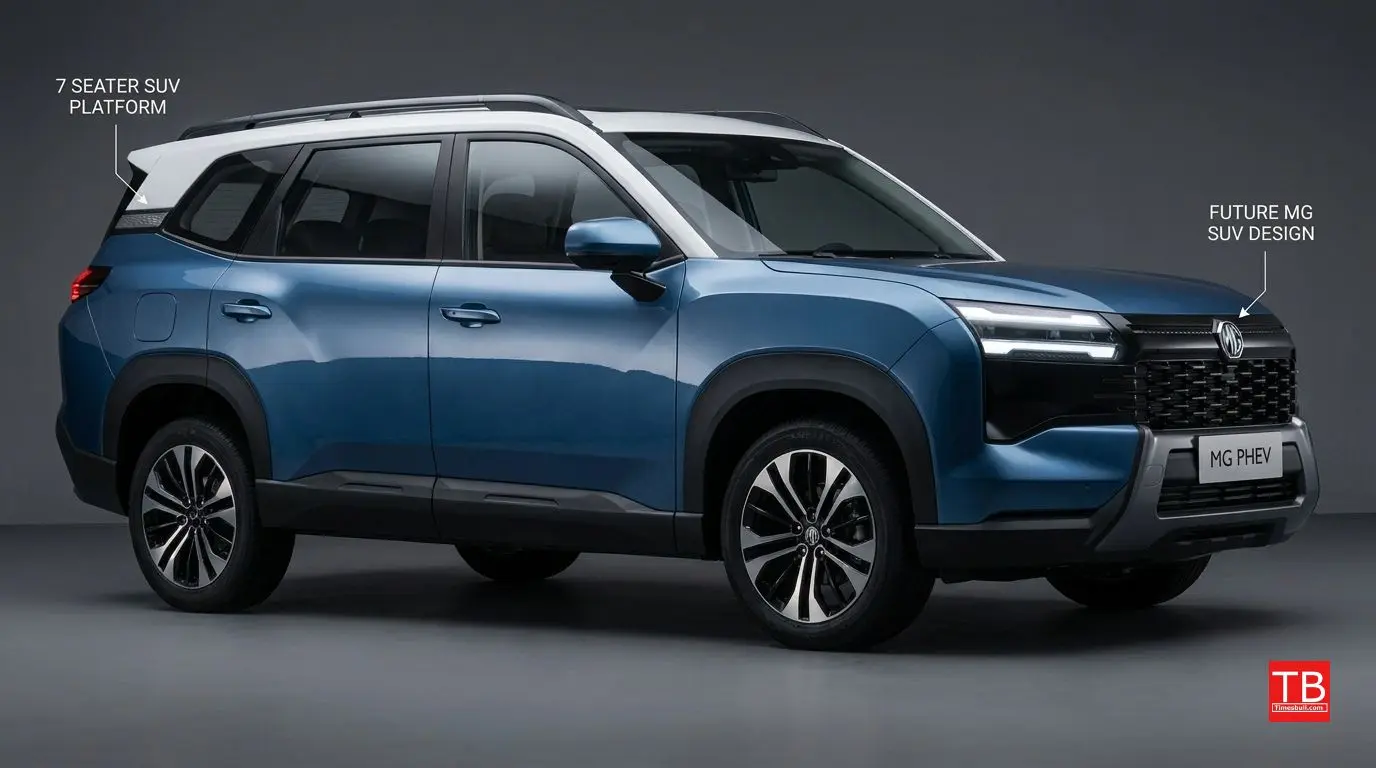
Wuling Starlight 560 – The Basis for MG's New SUV
This image shows the global version of the Wuling Starlight 560, which will serve as the foundation for MG's new SUV. SAIC-GM Wuling filed a design patent for it in India in March 2026. The patent image lacks Wuling branding, making it clear that the vehicle will be introduced in India under the MG brand. The SUV measures 4,745 mm in length, 1,850 mm in width, and 1,755–1,770 mm in height, with a wheelbase of 2,810 mm.
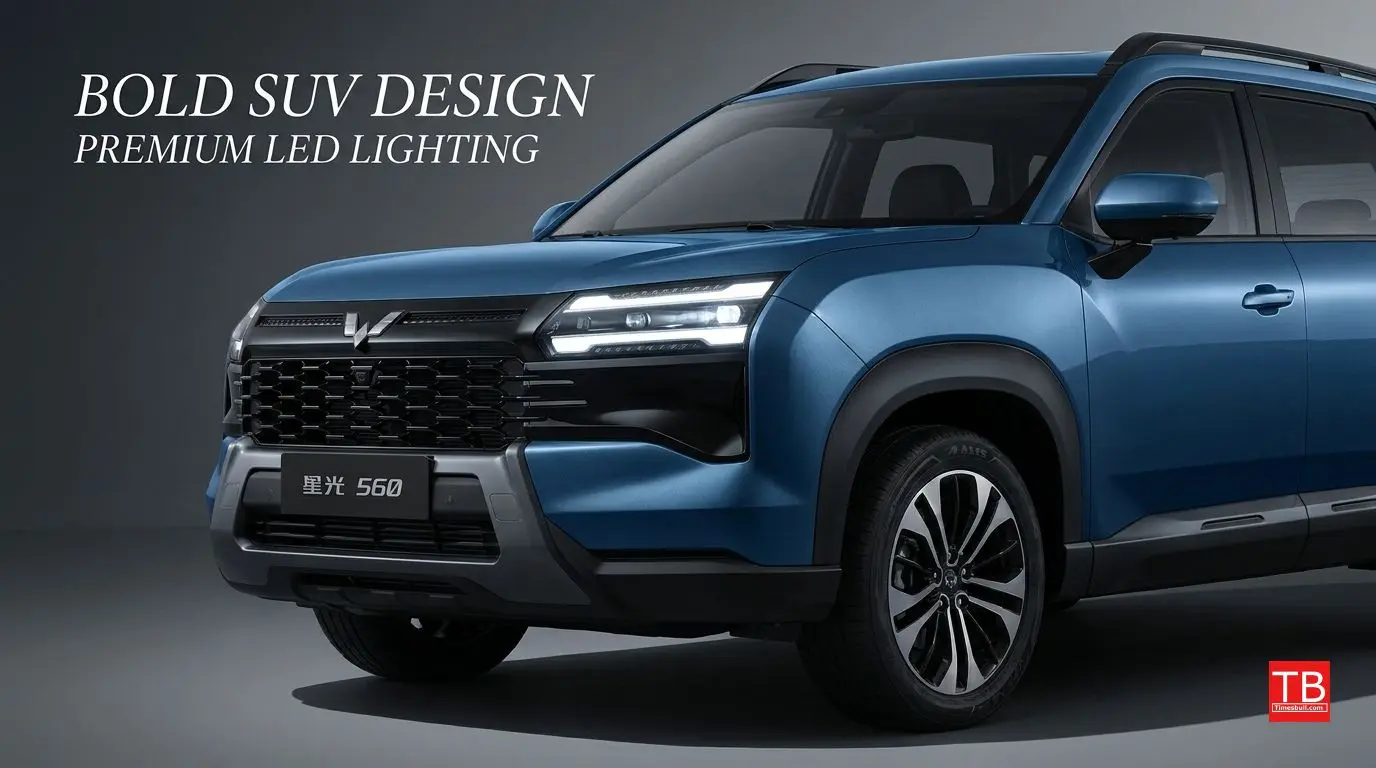
Bold and Upright Design – A Striking Road Presence
The image clearly displays the SUV's front profile, featuring a tall bonnet, a large front grille, and squared-off wheel arches. The front end sports LED headlamps, split DRLs, and a large grille with a gloss-black finish. A gloss-black element runs between the headlamps, featuring the Wuling logo in the centre—which will be replaced by MG branding for the Indian market. A rugged front bumper and black cladding give it a distinct SUV look.

Side Profile – Robust and Practical Stance
This image shows the SUV's side view. Its upright and squared-off stance gives it the appearance of a family-orientated SUV. 18-inch dual-tone alloy wheels, roof rails, and prominent wheel arch cladding make it even more attractive. Black cladding on the lower body and functional roof rails position it as a practical family SUV.

Rear Design – Clean and Modern Look
The image shows the SUV's rear profile. The rear design is vertical and MPV-like. Wrap-around LED taillamps, a roof-mounted spoiler, and a blacked-out bumper provide it a clean and modern look. Connected LED taillights further enhance the premium appeal of the design. This styling places it on par with SUVs like the Tata Safari and Mahindra XUV700.
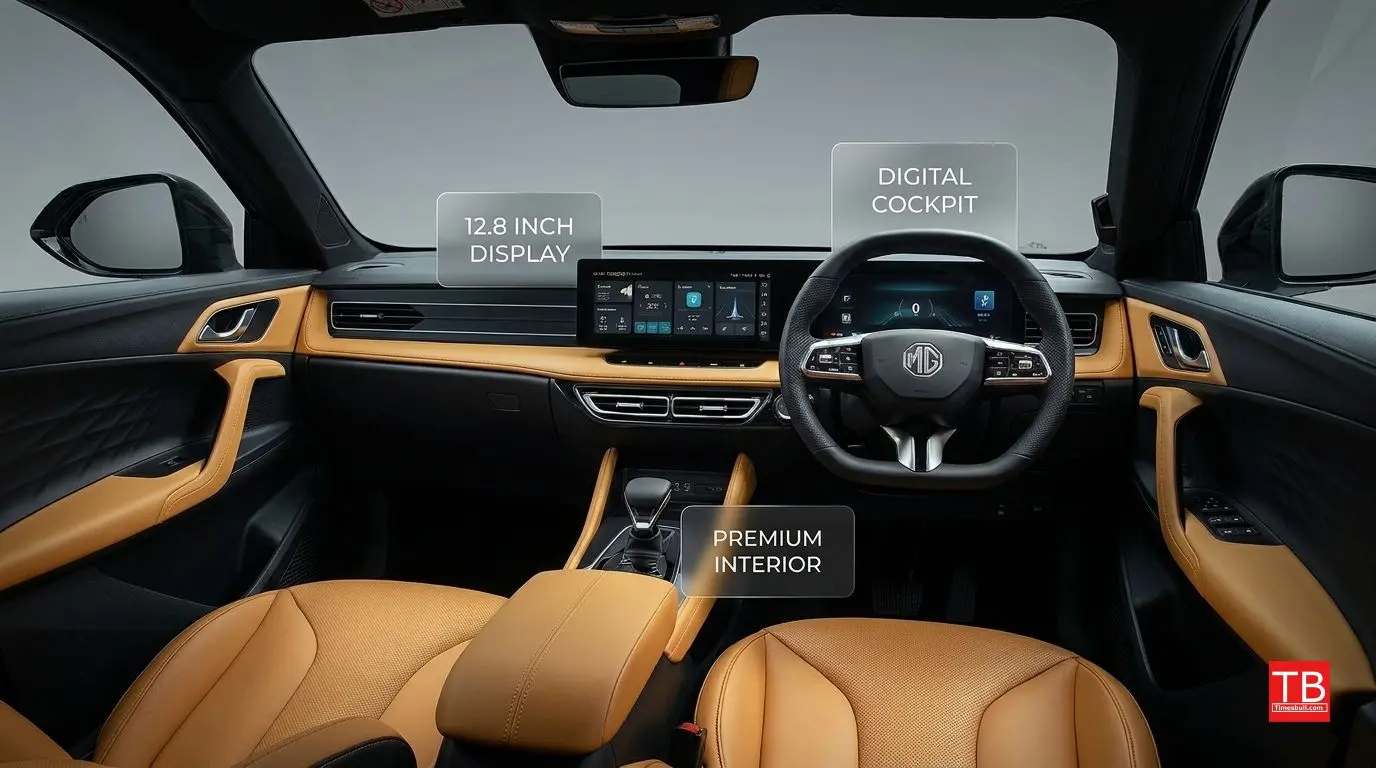
Minimalist Interior – Large Screen and Digital Cluster
This image reveals the SUV's cabin, which features a minimalist design. The dashboard houses a large 12.8-inch infotainment touchscreen and an 8.8-inch digital instrument cluster. Physical switches are kept to a minimum, with most controls operated via the touchscreen. The two-spoke steering wheel includes buttons for infotainment and cruise control. A dual-tone cabin and leatherette upholstery provide a premium feel.
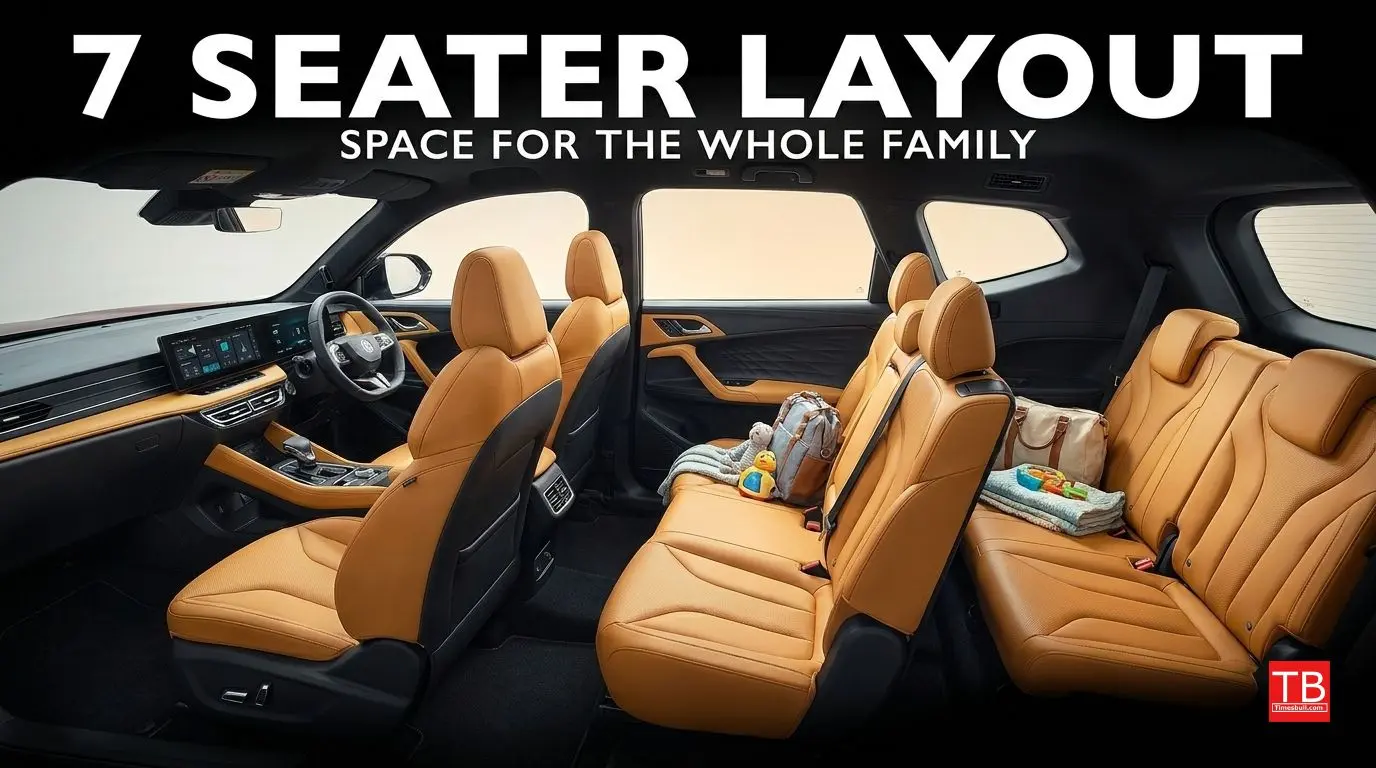
7-Seater Layout – Space for the Whole Family
The image shows the SUV's three-row seating layout. It may be available in both 5-seater and 7-seater variants; in India, the company is likely to launch it as a 7-seater. A long wheelbase of 2,810 mm ensures ample space across all three rows. Features such as powered and ventilated front seats, automatic climate control, and rear AC vents are expected.
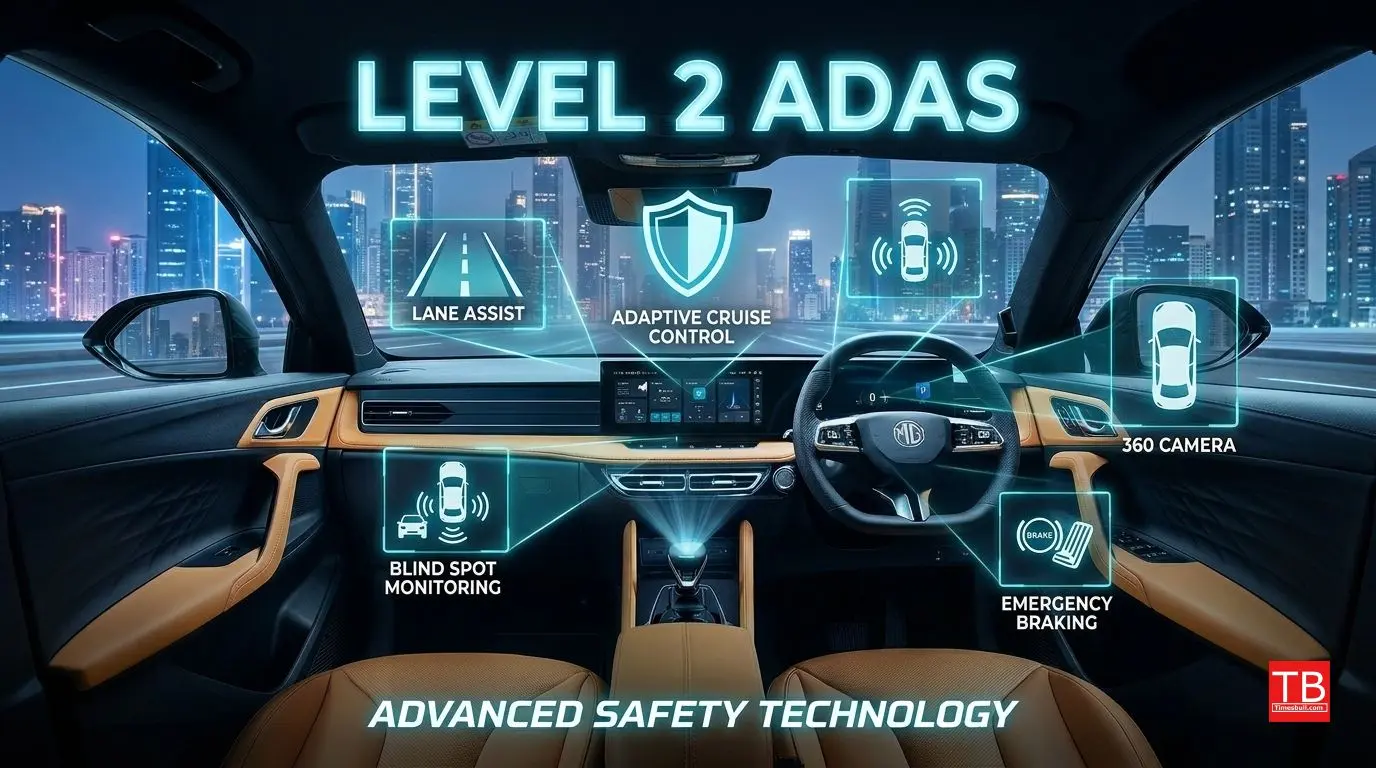
ADAS and Safety Features – Safe Journeys
This image offers a glimpse of the SUV's safety features. It will feature Level 2 ADAS (Advanced Driver Assistance Systems), including adaptive cruise control, lane-keep assist, blind-spot monitoring, and automatic emergency braking. Additionally, it will come equipped with features such as 6 airbags, ABS, EBD, ESC, a 360-degree camera, TPMS, and hill-hold assist. These features will position it among the safest SUVs in its segment.
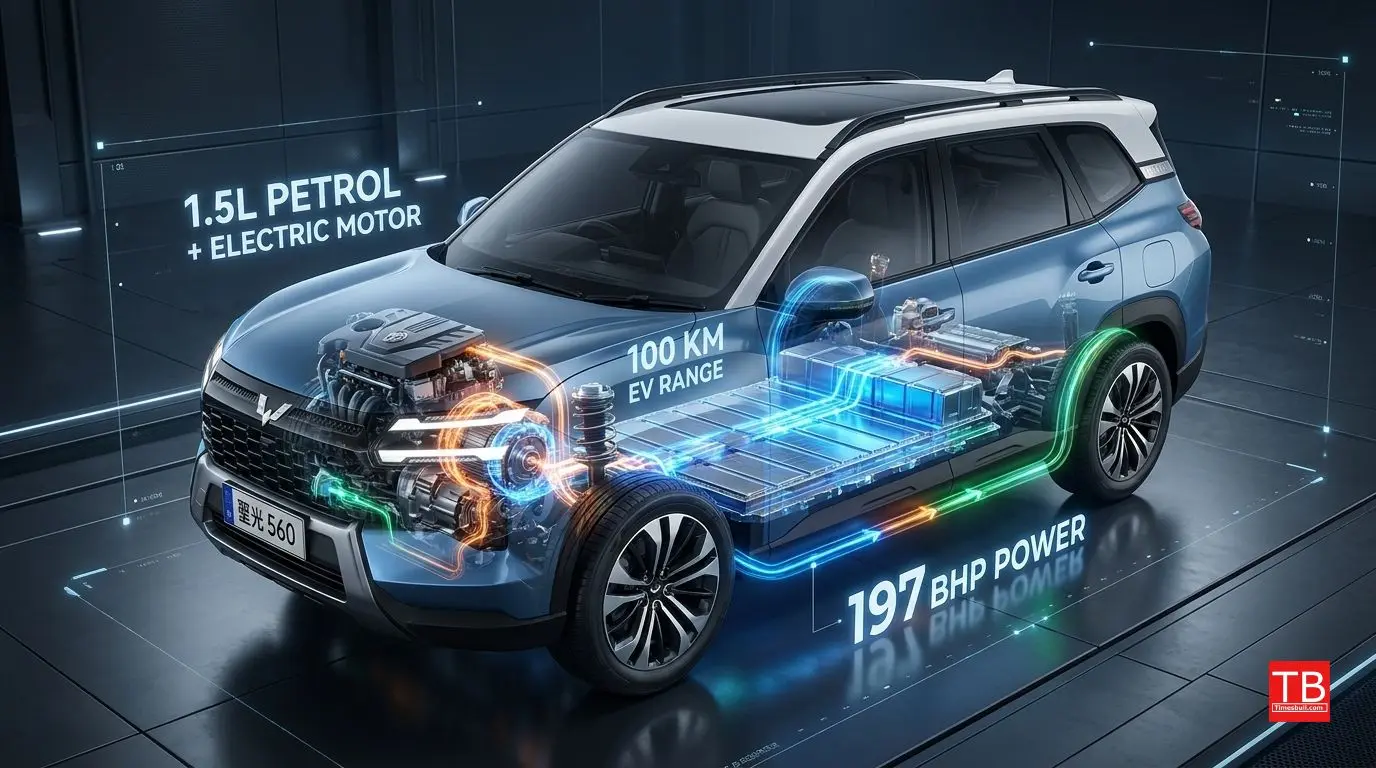
PHEV Powertrain – 1.5-litre engine + electric motor
The image shows the SUV's powertrain—a combination of a 1.5-litre naturally aspirated petrol engine and an electric motor. It houses a 20.5 kWh battery pack. Collectively, the system generates 197 bhp of power and 230 Nm of torque. It accelerates from 0-100 km/h in under 10 seconds and has a top speed of 170 km/h. The total range of the PHEV system can exceed 1,000 km.
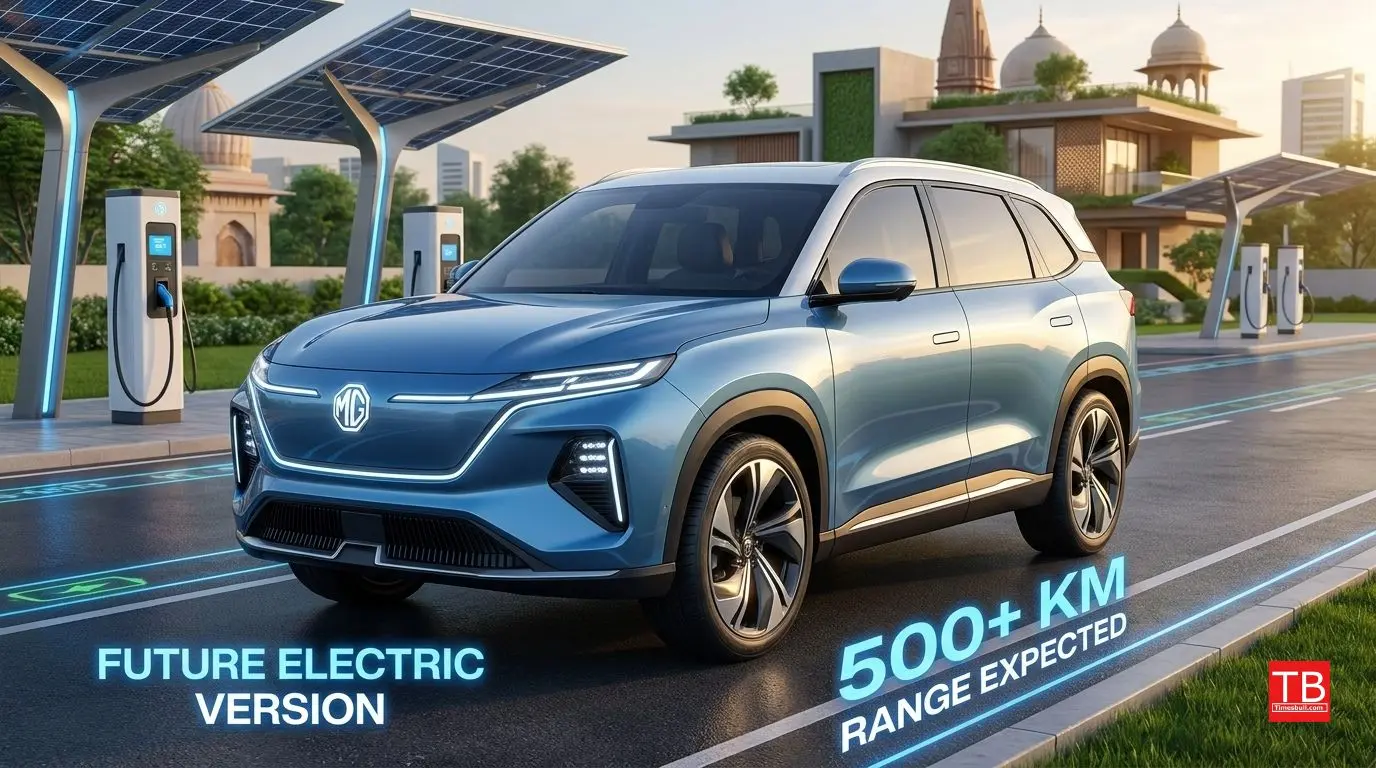
Electric variant also coming – 500 km+ range
This image displays the electric version of the SUV. The company may introduce the electric variant following the PHEV version. In global markets, the electric version is available with either a 56.7 kWh or a 69.2 kWh battery, delivering power outputs between 136 and 201 bhp and a range of 500-540 km (CLTC cycle). The electric version features a closed-off front fascia. There is no confirmation yet on when the electric version will arrive in India.
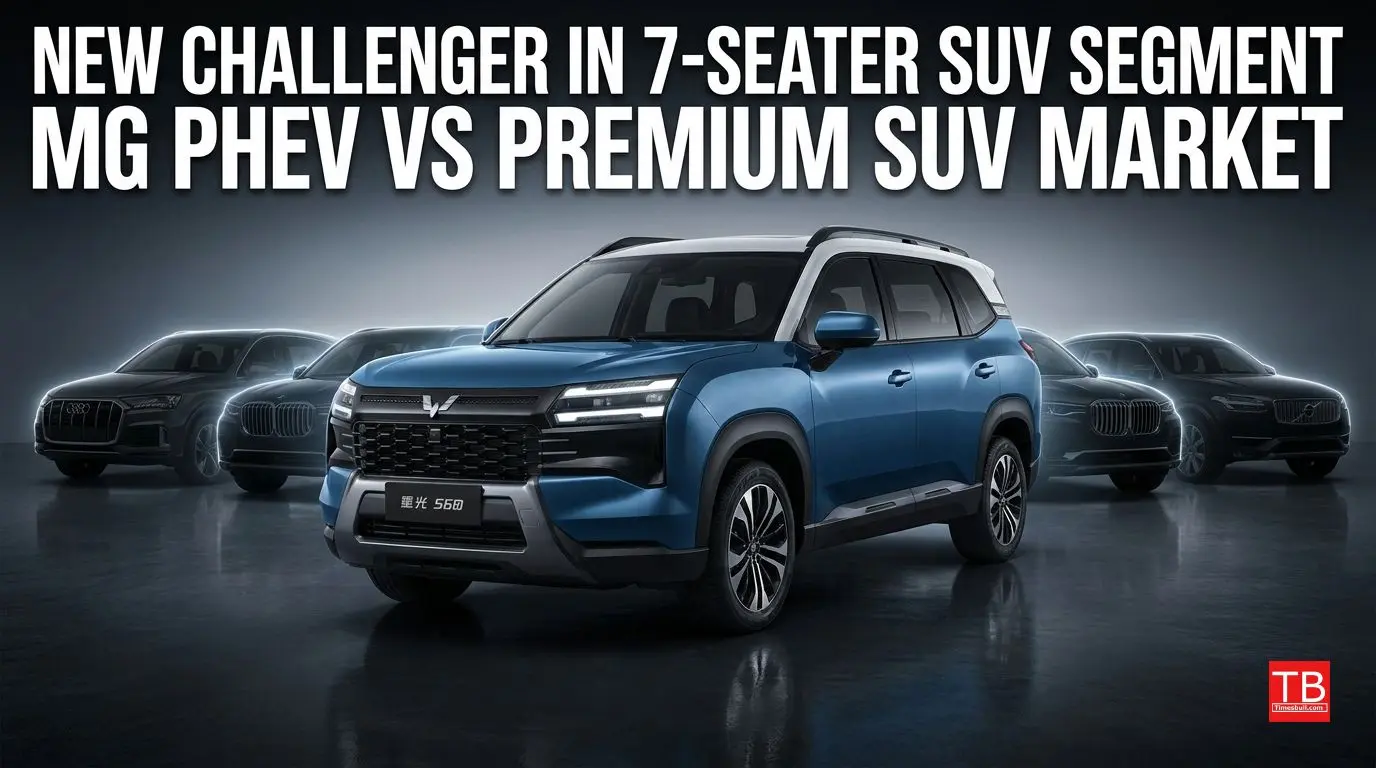
Competition – Rivalling Tata Safari and Mahindra XUV 7XO
The image shows MG's new PHEV SUV alongside its key rivals. It will compete against the Mahindra XUV 7XO, Tata Safari, and Hyundai Alcazar. Notably, none of these competitors offer a plug-in hybrid option. In other words, MG will benefit from being the first to offer a PHEV in this segment. The estimated price is likely to be in the ₹30–40 lakh range, making it competitive.
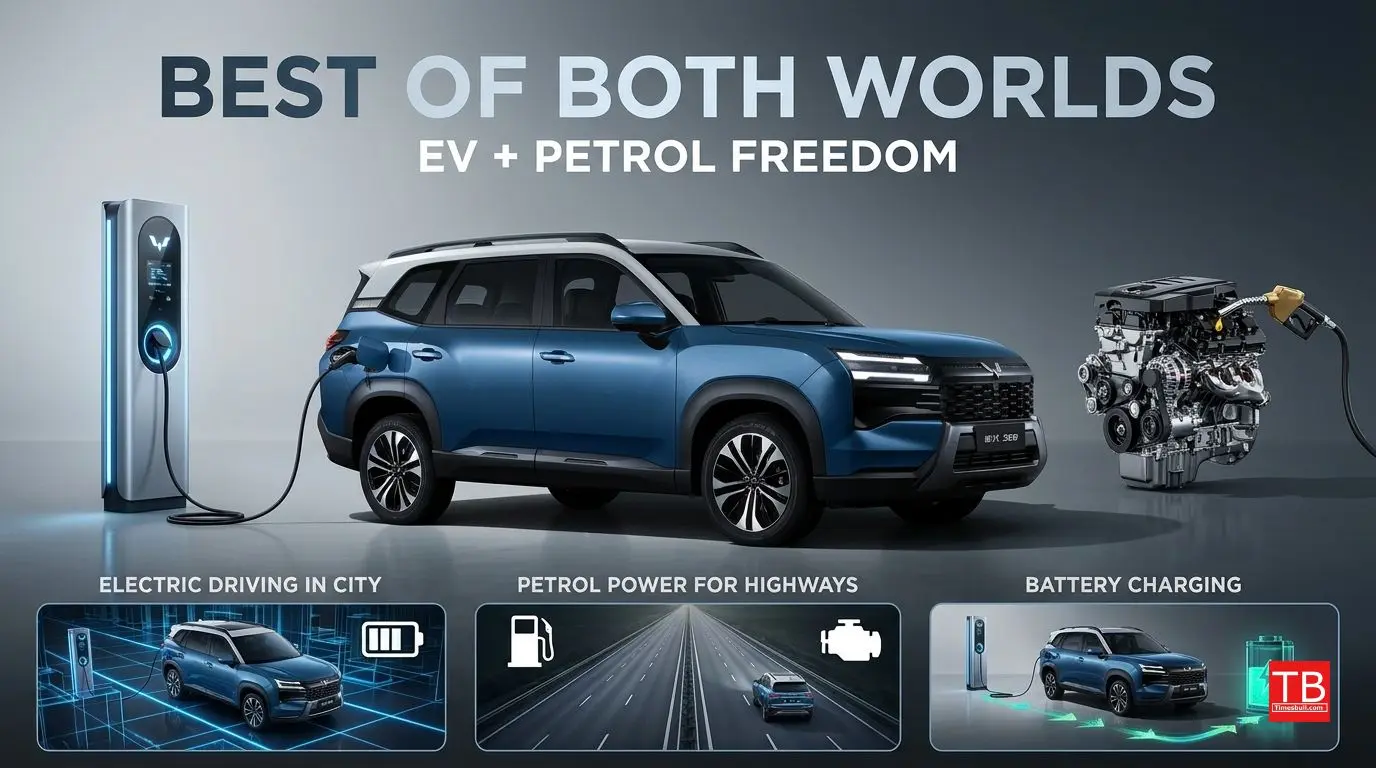
Why PHEV is a game-changer – the best combo of EV and petrol
This image explains the concept of PHEV technology. A PHEV operates like an EV within the city while relying on a petrol engine for highway driving. You can charge the battery externally and drive for 100–125 km on electric power alone, while the petrol engine handles long-distance travel. This technology eliminates range anxiety and is perfect for those who are not ready to adopt EVs.