


LPG Gas Level check: The impact of this war is now being felt in India as well. The common man is feeling the effects of this war. Due to the war, the prices of gas cylinders have increased and its supply has also decreased. Due to the increase in the prices of crude oil in the international market, the cost of producing LPG has increased. The rise in gas prices has also led to an increase in the prices of hotels, food and other essential commodities.
In brief, the conflict has led to uncertainty in the worldwide energy sector, impacting the finances of regular individuals. Given this scenario, it is crucial to monitor the level of LPG gas in your home to facilitate timely booking of a gas cylinder. Why is this tool important? Presently, there are concerns about gas theft and cylinder shortages, prompting many to seek ways to gauge the gas level in their cylinders. What is the device called? This tool, known as a magnetic gas tank level indicator, can be easily purchased online to ascertain the gas quantity in a cylinder.
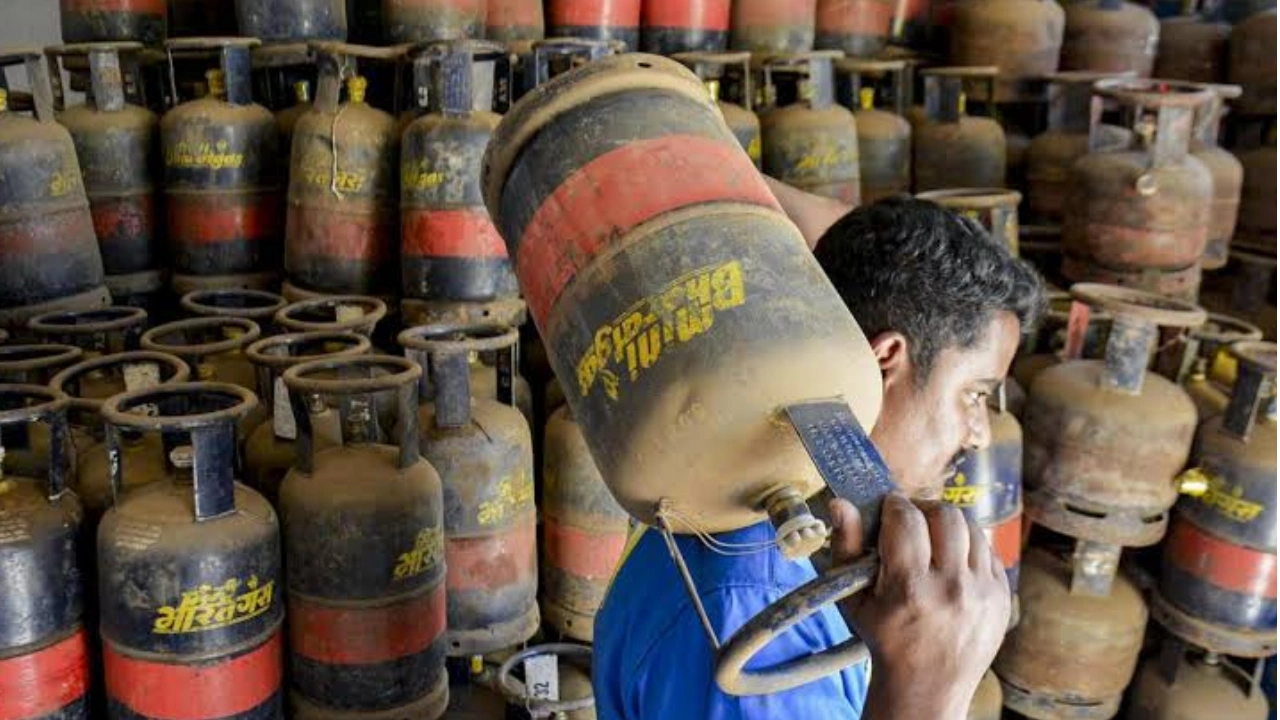
How does the device function? Unlike weighing the gas, this gadget functions akin to a flat thermometer attached externally to the cylinder. The gas is pressurized during filling, causing a significant portion to turn into liquid and accumulate at the cylinder’s base. As gas is consumed, the internal pressure drops, leading to cooling in the area where liquid gas is stored.
How is the level displayed?
This tool features a specialized crystal ink that alters color based on temperature fluctuations, revealing the gas level. With the lower section of the cylinder being cooler and the upper part warmer, the device changes color, indicating a demarcation line between the two regions.
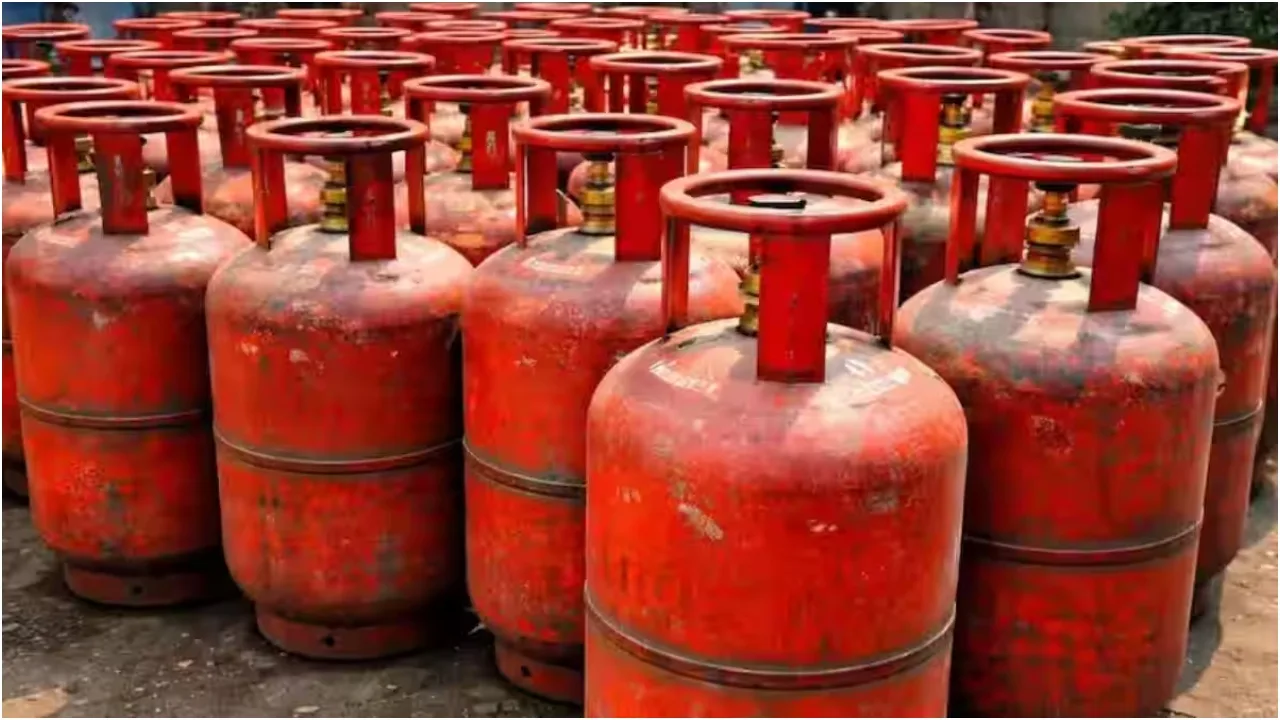
How to use it effectively
For accurate readings, the device should be left on the cylinder for approximately 10 to 15 minutes. It operates without batteries, relying solely on temperature dynamics, and can be easily transferred between cylinders.
India heavily relies on gas imports, causing global price hikes to impact domestic rates directly. The conflict disrupted the global supply chain, escalating gas cylinder prices due to increased transport expenses and insurance costs. Consequently, the government’s subsidy burden rose with higher gas prices, affecting the rebates accessible to average consumers.