


What is the verdict of the Telangana High Court?
Justice Alishetty Lakshminarayana of the Telangana High Court made it clear that if the borrower dies, his legal debt can be recovered only from the legacy left by him.
The government, banks or any other lender cannot touch the self-earned, job salary, personal bank balance or personal property purchased by themselves of the wife, children or other legal heirs of the deceased.
What was the whole case about?
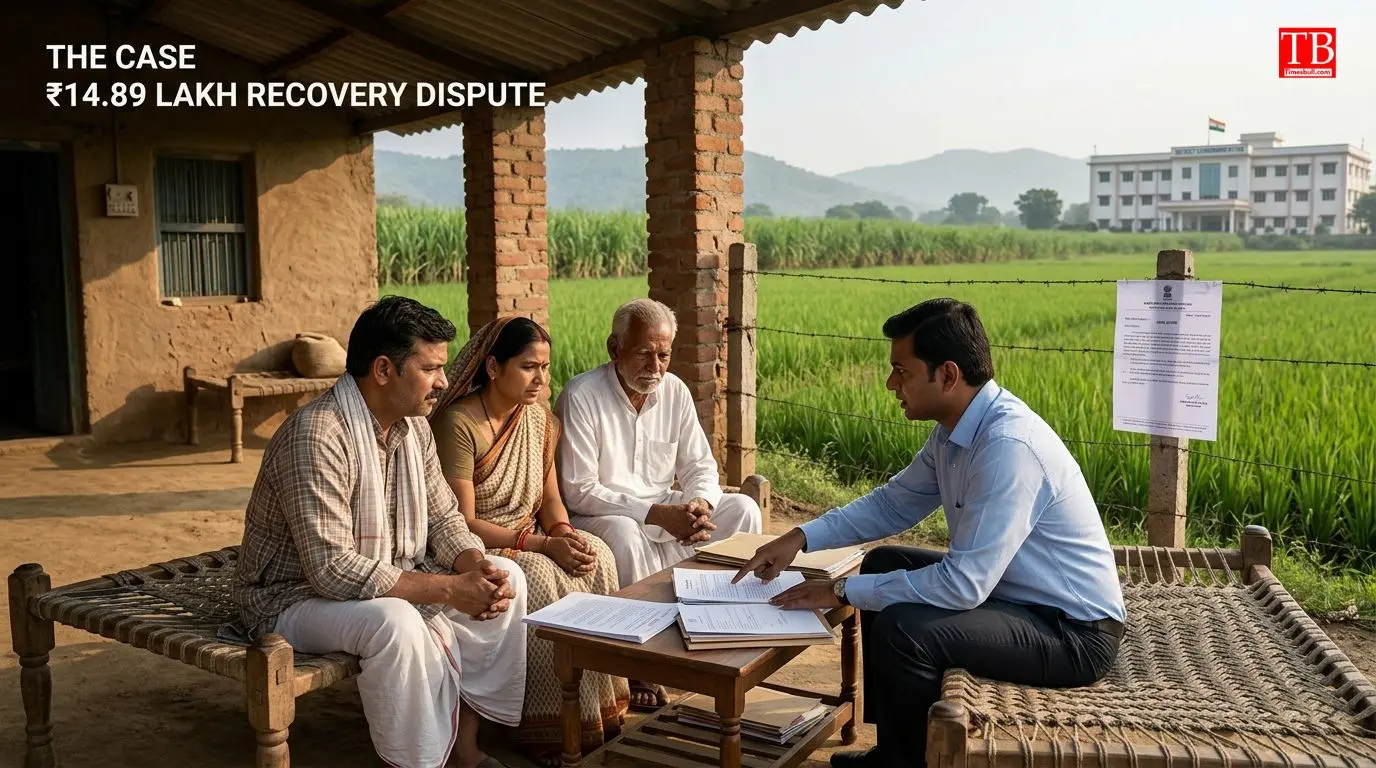
The incident took place in Telangana's Kamareddy district. Srinivas Reddy, a postmaster here, was accused of misappropriating government funds to the tune of Rs. 14.89 lakh under the MGNREGA. The case was being investigated but he died during the course of the trial.
After the death, the district administration started the process of auctioning the ancestral agricultural land of the family by seizing it to recover the dues. Srinivas Reddy's wife V. Yashoda filed a petition in the Telangana High Court.
How limited is the responsibility of the successor?
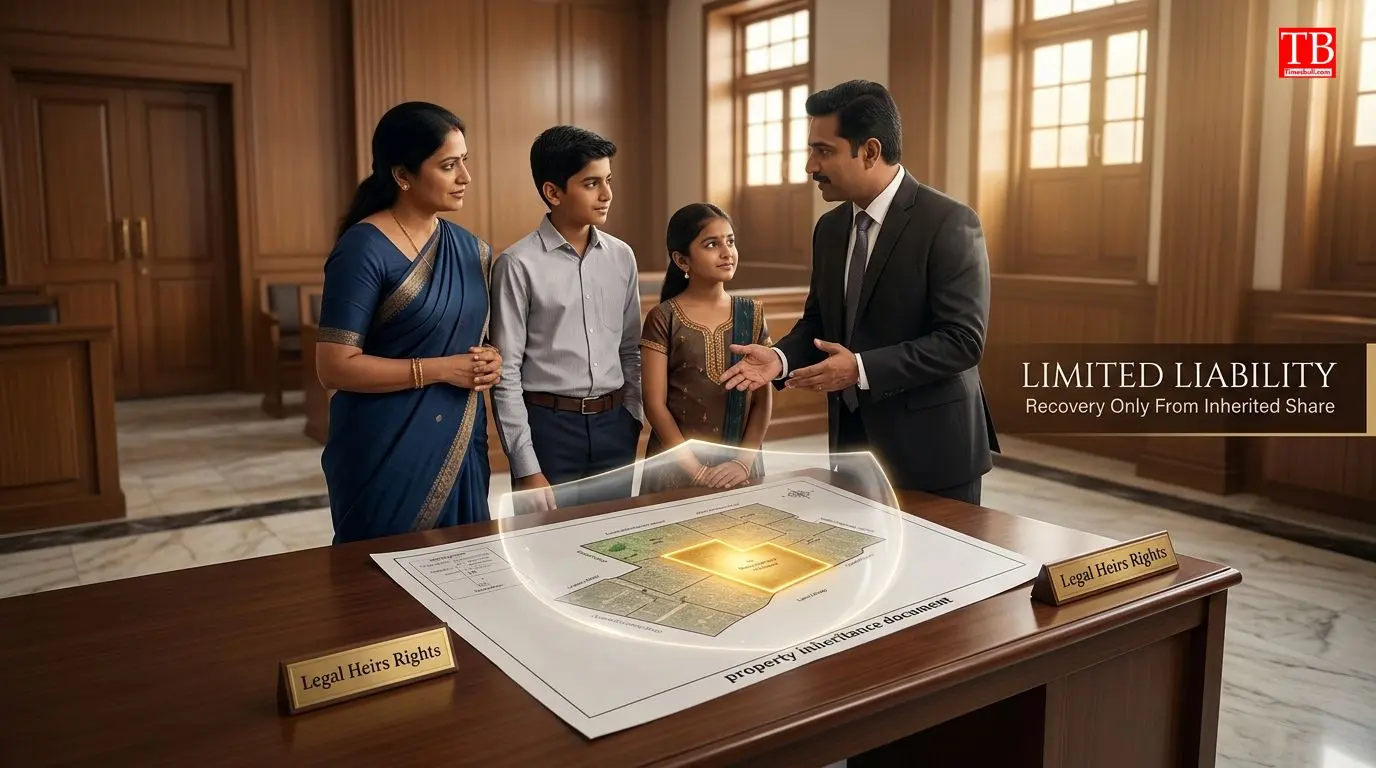
The high court clarified that it is true that the heirs of the deceased cannot be completely absolved of their legal liability as they get the property of the deceased. However,
the court also made it clear that the liability of the family members would be limited to the value of the property they have inherited from the deceased. If the share of the deceased in a land was only one-fourth, then only that part can be auctioned

Can ancestral or joint property be confiscated?
The court also made it clear that ancestral or joint family property which falls in the share of the deceased can be used for recovery of debt.
This means that if any ancestral land or property was inherited by the deceased and is part of him, that part can be sold to repay the debt. However, other family members will be safe. The court emphasised that the recovery would be limited to the share of the deceased.

Is it possible to earn money on your own?
Not at all! The High Court made it clear that under no circumstances should the hard-earned personal properties of the wife or children be affected.
A house built by family members with their own earnings, land purchased, salary received from a job, their savings in bank or any other personal movable and immovable property cannot be attached or confiscated under any circumstances.
The legal basis: Sections 50 and 52 of the CPC
The judgment is based on Sections 50 and 52 of the Code of Civil Procedure (CPC). Under Section 50, if a debtor dies without repaying his debt, a debt recovery order can be executed against his legal heirs, but only to the extent that the deceased's property has come to them.
Section 52 (2) makes it clear that if the heir is unable to prove that he has properly managed the inherited property, he can be held personally responsible - but still only to the extent of the property in his hands.

Why does this decision matter to the common man?
The biggest significance of this decision is that it has removed a common misconception. Most people feel that if the head of the family dies, the entire family is responsible for their debt.
The court, however, made it clear that the liability is limited to inherited property only. The decision comes as a relief to lakhs of families who are facing recovery action from banks or government departments after losing their earning member.

When to give a loan to a wife and when not?
The loan must be paid: If the wife has inherited any property from the deceased, the loan can be recovered up to the value of the same property.
Don't have to pay: If the wife has separate earnings or personal assets (like salary of her job, land in her name, bank balance), she cannot be forced to repay the loan.
Image 9 What to pay attention to?
If you are also worried about the debt of a deceased, then take care of some things:
Make a list of all assets and liabilities of the deceased.
Understand your limited responsibility under section 50 and 52 of the CPC.
Inform any lender (bank or government department) that your responsibility is limited to inherited property only.
If there is any undue pressure or threat, you can seek legal help.

Conclusion
The Telangana High Court's landmark judgment has made it clear that the entire burden of debt cannot be passed on to the family after the death of a person. Inherited property is the only limit to which debt can be recovered.
The personal earnings and property of the wife or children are completely safe. If you or someone you know is facing such a situation, it is very important for you to know this decision. Stay tuned to timesbull.com for updates on similar legal information, government decisions and court orders.