

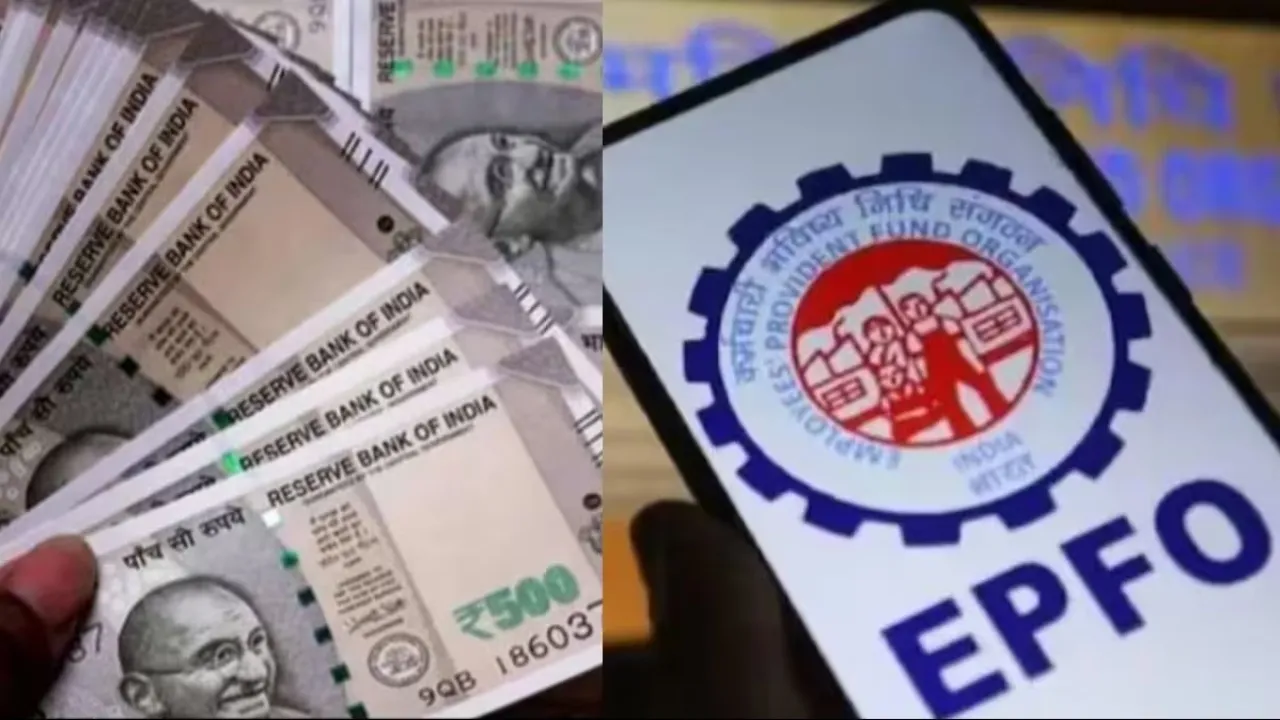
PF vs EPS: The entire life savings and future support of employed individuals rely on their Provident Fund (PF) and Pension Scheme (EPS). However, employees often find themselves puzzled about how the amount deducted from their salary is split into two parts. Additionally, they may wonder how much money they will receive IPL 2026: BCCI Hands This Punishment to Bowler Who Showed Anger After Dismissing Vaibhav Suryavanshi! retirement. According to the guidelines set by the Employees Provident Fund Organisation (EPFO), EPF and EPS serve as two distinct pillars. EPF represents your lump sum savings, while EPS provides guaranteed income intended for your old age. Let’s explore the details of how EPF and EPS are calculated.
Difference between PF and pension fund
The 12 percent deducted from an employee’s salary is directly credited to their EPF account. In contrast, the employer’s 12 percent contribution is allocated into two segments. Specifically, 8.33% of the employer’s contribution is directed to the Employees’ Pension Scheme (EPS), while 3.67% is allocated to EPF. It’s important to note that the government has established a salary cap for pension purposes at Rs 15,000. Even if your salary exceeds this threshold, your pension fund will be calculated based on this limit. You earn annual interest on the EPF amount, which you can withdraw upon retirement or when leaving the job, but the regulations governing pensions differ slightly.
How is your monthly pension decided?
It’s essential to understand that your pension amount is not based on your total savings; instead, it adheres to a specific formula. As per the Employees’ Provident Fund Organization (EPFO), your pension is calculated based on your pensionable service and pensionable salary. The formula is: pensionable salary x pensionable service / 70.
Pension to the family after the death of the member
The most important feature of the Pension Scheme (EPS) is the family pension. If an EPF member dies while in service or as a pensioner, their family receives a pension. According to EPFO rules, the spouse of an EPFO member receives 50 percent of the member’s contribution for life. For example, if a member’s pension is Rs 7,500, their wife will receive a monthly pension of Rs 3,750 after their death.
Pension is also provided to two children of the member
Additionally, each of the two children in the family receives a child pension amounting to 25 percent. This pension continues until they turn 25 years old. In the event that the children become orphans, the pension amount is raised to 75 percent. The government has also guaranteed that the minimum pension will not fall below Rs 1,000.
Options for early and higher pensions
It’s important to mention that employees generally start receiving their pension upon retirement at the age of 58. However, they Should a UPI User Have Two Accounts? Know the Pros and Cons the option to take early pension benefits starting at age 50. That said, opting for early pension benefits does come with certain drawbacks, including a 4% reduction in the annual pension. Conversely, if you choose to keep working past the age of 58 and delay your pension, there is a provision for a 4% increase in the annual pension.

