


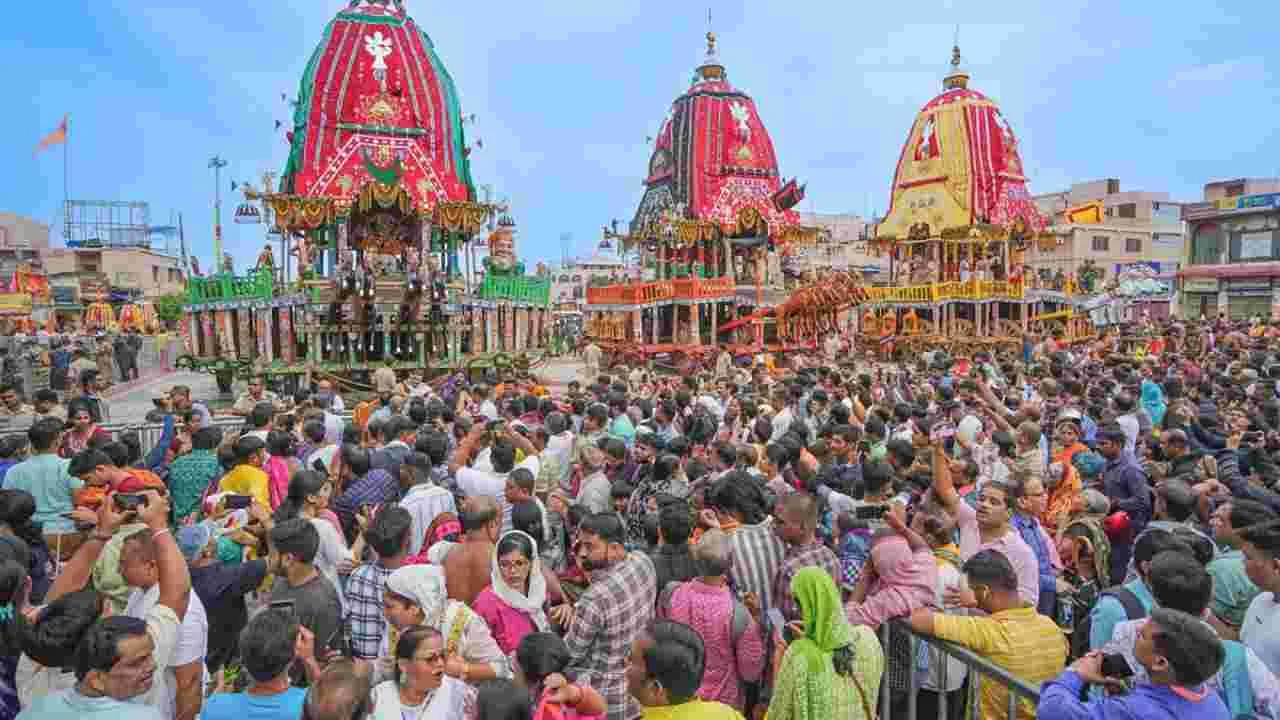
Jagannath Rath Yatra 2026: Today marks the beginning of Lord Jagannath’s Rath Yatra, which will run until July 24th. This renowned event, celebrated in Puri, Odisha, holds deep and sacred importance in Sanatan Dharma. Each year, this divine procession starts on the second day of the bright fortnight in the month of Ashadha.
On this blessed occasion, Lord Jagannath, along with his elder brother Balabhadra and cherished sister Subhadra, sets out on a city tour in grand chariots. During this time, the Lord leaves the main temple (Srimandir) to visit his aunt’s residence, the Gundicha Temple. Let’s explore the significance of the Jagannath Rath Yatra with insights from Pandit Praveen Mishra.
Know The Schedule
If you plan to participate in this sacred festival or wish to observe it from home, be sure to note these key dates.
July 16, 2026 (today): The grand commencement of the Rath Yatra, after which the deity will journey to his aunt’s home, the Gundicha Temple.
July 24, 2026: Bahuda Yatra, the return journey of the Lord to the main temple.
July 25, 2026: Sunavesh (On this day, the three deities are adorned with stunning gold ornaments).
What Makes This Rath Yatra So Special?
Typically, devotees visit the temple’s sanctum sanctorum to have darshan of the deity, but the Jagannath Rath Yatra is a distinctive tradition where the deity himself emerges from the temple to bless his devotees. It is believed that for those unable to enter the temple, Mahaprabhu comes to the streets to bestow his blessings. The three deities stay at the Gundicha Temple for nine days. According to scriptures, having darshan of the deity in the Gundicha Temple is as meritorious as performing a hundred yagnas.
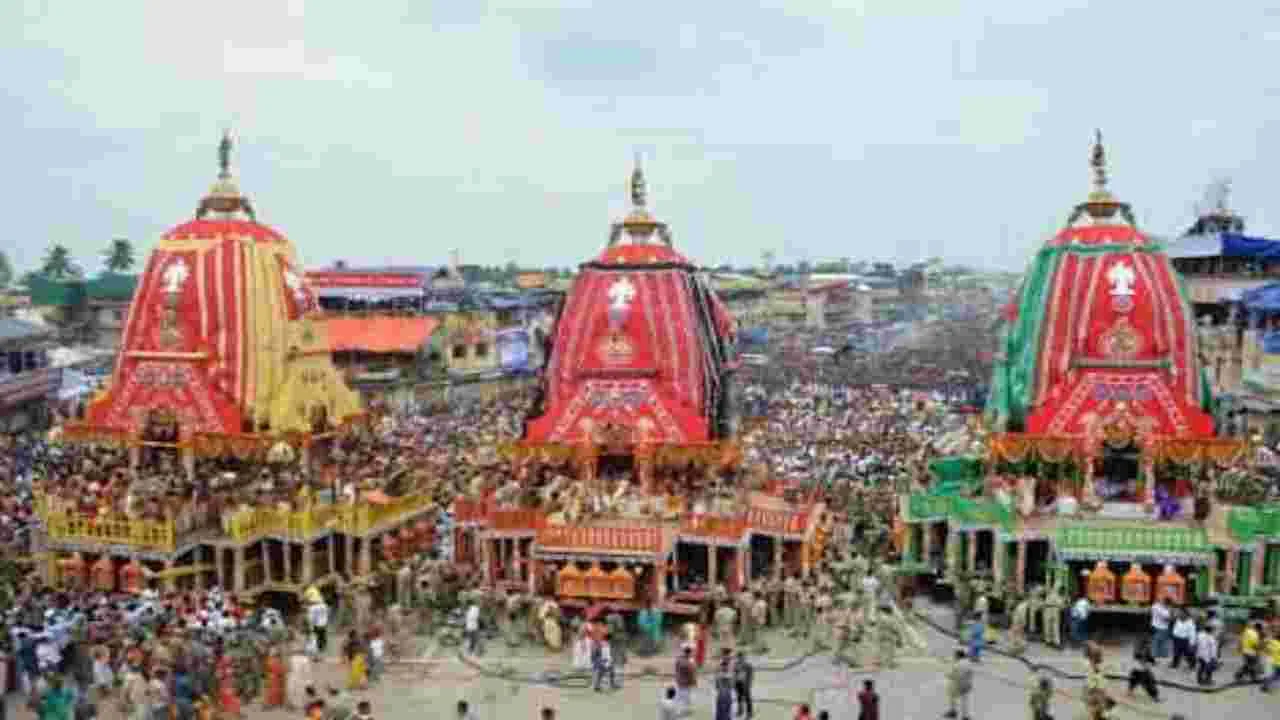
The chariots of Lord Jagannath , Balabhadra, and Subhadra are a unique example of ancient Indian craftsmanship and science. Their design features many astonishing features.
Wooden Marvel: More than 4,000 pieces of wood are used to make these massive chariots.
Zero use of iron: The most amazing thing is that not a single iron nail or metal is used in the construction of these massive chariots. The entire workmanship rests on wooden joints.
Skill passed down from generation to generation: Families of traditional artisans have been building this chariot with utmost precision and accuracy, generation after generation, without any modern design.
During the Rath Yatra, a very important and touching tradition is performed, called the Chera Pahara. In this ritual, the King of Puri (Gajapati Maharaja) himself, as a servant, sweeps the path in front of the three chariots with a golden broom and sprinkles fragrant water. This ritual sends a powerful spiritual message to the world that everyone is equal in the court of God, whether a common man or a king of a kingdom.
The distance from the main temple to the Gundicha Temple is approximately 3 kilometers. This 3-kilometer-long Bada Danda (chariot path) is filled with nothing but devotion. Amidst the sound of conch shells, the beat of drums and cymbals, and the thunderous chants of “Jai Jagannath,” Puri appears like the ultimate paradise. Every year, millions of devotees from around the world flock to Puri to witness this transcendental sight.