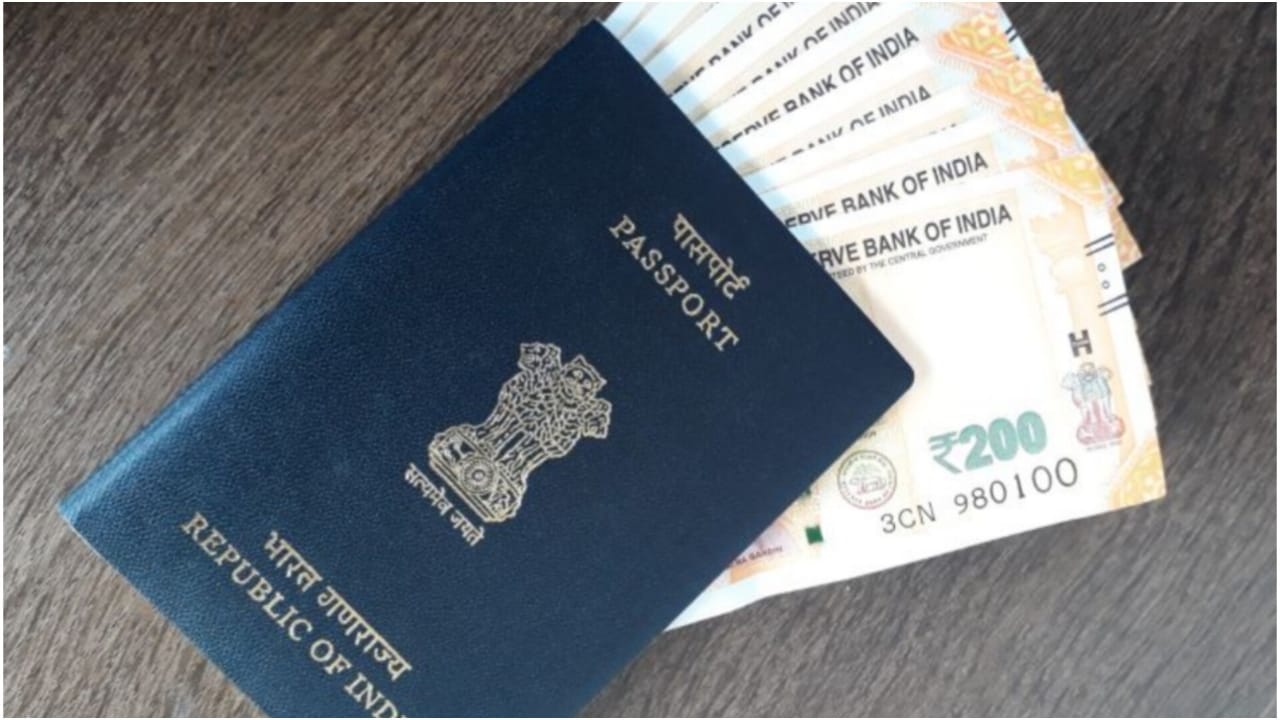
tatkal passport Process – Many people suddenly need a passport, especially for official work, urgent travel, or medical emergencies. In such situations, the government offers the Tatkal Passport facility, designed for applicants who need their passports issued faster than usual.
Compared to the standard passport timeline of 30 to 45 days, the Tatkal scheme offers a much faster process. The best part is that it does not require a Verification Certificate from a senior officer, making it convenient for applicants who need immediate clearance. Here is a complete guide to applying for a Tatkal passport.
Documents Required for a Tatkal Passport
To apply under the Tatkal scheme, you must submit valid identity and address proof. The acceptable documents include Aadhaar Card, Voter ID, Government or Private Service ID Card, Caste Certificate, pension-related documents, PAN Card and Driving Licence. These help establish your identity and eligibility for the fast-track process.
Tatkal Passport Fees
The Tatkal scheme incurs a higher fee than the standard application due to faster processing. The charges are as follows:
- Fresh or reissued passport: ₹3,500 with 10-year validity
- Fresh or reissued passport (additional category): ₹4,000 with 10-year validity
- Lost passport: ₹5,000, with validity depending on the remaining period of the previous passport
- These charges ensure priority processing and quick dispatch.
How Many Days Does a Tatkal Passport Take?
According to the Passport Seva guidelines, once your application form is completed and marked as ‘Granted’, the passport is usually dispatched on the third working day, excluding the date of submission. In most cases, there is no need to wait for the police verification report before issuance, making the Tatkal scheme one of the fastest ways to obtain a passport in India.
Who is ineligible to apply for a Tatkal Passport?
- Certain applicants are not eligible for the Tatkal scheme due to additional verification requirements:
- Children born to Indian parents but born outside India
- Individuals who received citizenship through the Ministry of Home Affairs
- Applicants requesting a name change through the Tatkal scheme
- Residents of Jammu & Kashmir
- Children adopted by Indian or foreign parents
- Children whose parents are separated but not legally divorced
- These cases require detailed scrutiny that cannot be completed within the fast-track timeline.