
Retirement Planning: How to Earn Rs 1 Lakh Every Month? Know here
While the calculations above seem promising, financial advisors highlight a considerable risk. Market experts indicate that even in safer debt funds, returns are not fixed or guaranteed.

 Join Us
 Add as a preferred
retirement plan
Retirement Planning: Retirement planning can sometimes feel uncertain. Questions often arise about how long your savings will last and how much you can comfortably spend each year. The 4% rule is a simple way to start thinking about regular income in retirement. Let’s explore this in detail today.
What does the 4% rule say?
According to the 4% rule, you can withdraw approximately 4% of your total savings in the first year of retirement. This amount is then increased slightly each year to account for inflation. For example, if you have savings of Rs 50 lakh, you can spend approximately Rs 2 lakh in the first year. The goal is to ensure that the remaining savings remain invested and grow over time.
The primary question we face is how much money we should withdraw each month (Withdrawal Rate) to ensure that our savings last throughout our retirement. Imagine you have a retirement fund of Rs 1.5 crore today; can you safely withdraw Rs 1 lakh every month for the next 20 years, and what will your remaining balance be after that period? Let’s break this down in simple terms with insights from financial experts and some calculations.
What does the SBI Securities Calculator reveal?
Since this money is meant to support you in your later years, we will invest it in secure mutual funds (such as debt or hybrid funds) where we can anticipate an annual return of 6%.
Case 1 (at a 6% return): If your Rs 1.5 crore fund appreciates at a rate of 6% each year and you withdraw Rs 1 lakh monthly, your funds will last for 22 years. However, after that, your entire fund will be nearly depleted (close to zero).
Case 2 (7% return): With a slightly improved return of 7%, you could withdraw Rs 1.10 lakh each month from the same Rs 1.5 crore fund for the next 22 years. (You would have about Rs 5.44 lakh remaining after 22 years).
Case 3 (8% return): If the return is maintained at 8%, you could withdraw a substantial Rs 1.20 lakh every month for the next 22 years (after which you would have roughly Rs 90,000 left).
What are the experts cautioning about?
While the calculations above seem promising, financial advisors highlight a considerable risk. Market experts indicate that even in safer debt funds, returns are not fixed or guaranteed. There may be times when the market performs poorly, and you might not achieve even a 6% return. In this time of increasing inflation, if you begin withdrawing too much money too soon, your funds could be exhausted very quickly.
According to a reports, if someone has a retirement corpus of Rs 1.5 crore and earns an average annual return of 6%, they can withdraw Rs 1 lakh per month for about 22 years. However, during this period, they will nearly deplete their funds, leaving them with very little at the end. This plan may seem attractive initially, but it also carries risks in the long run. If the return is slightly higher, say, 7% or 8%, the same corpus could generate a monthly income of Rs 1.10 lakh to Rs 1.20 lakh.
However, the biggest question here is: is it possible to consistently generate such returns for 20-22 years? Experts believe that returns, especially in debt funds, are never fixed. Sometimes, when market conditions are weak, returns can fall below 6%. In such a situation, excessive withdrawals increase the risk of depleting your retirement fund early.
Financial experts recommend a safe withdrawal rate between 3% and 5% during retirement. If you have Rs 1.5 crore, it’s considered safer to withdraw Rs 75,000 or less each month. This will ensure your funds last longer and help you cope with rising inflation.

Sweta Mitra
Next Article
PhonePe, Paytm and GPay Alerts From One Soundbox, Big Relief for Shopkeepers!
NPCI is creating an interoperable Soundbox system that will be compatible with all UPI apps. At present, most Soundboxes are tied to a specific company’s QR code and app.
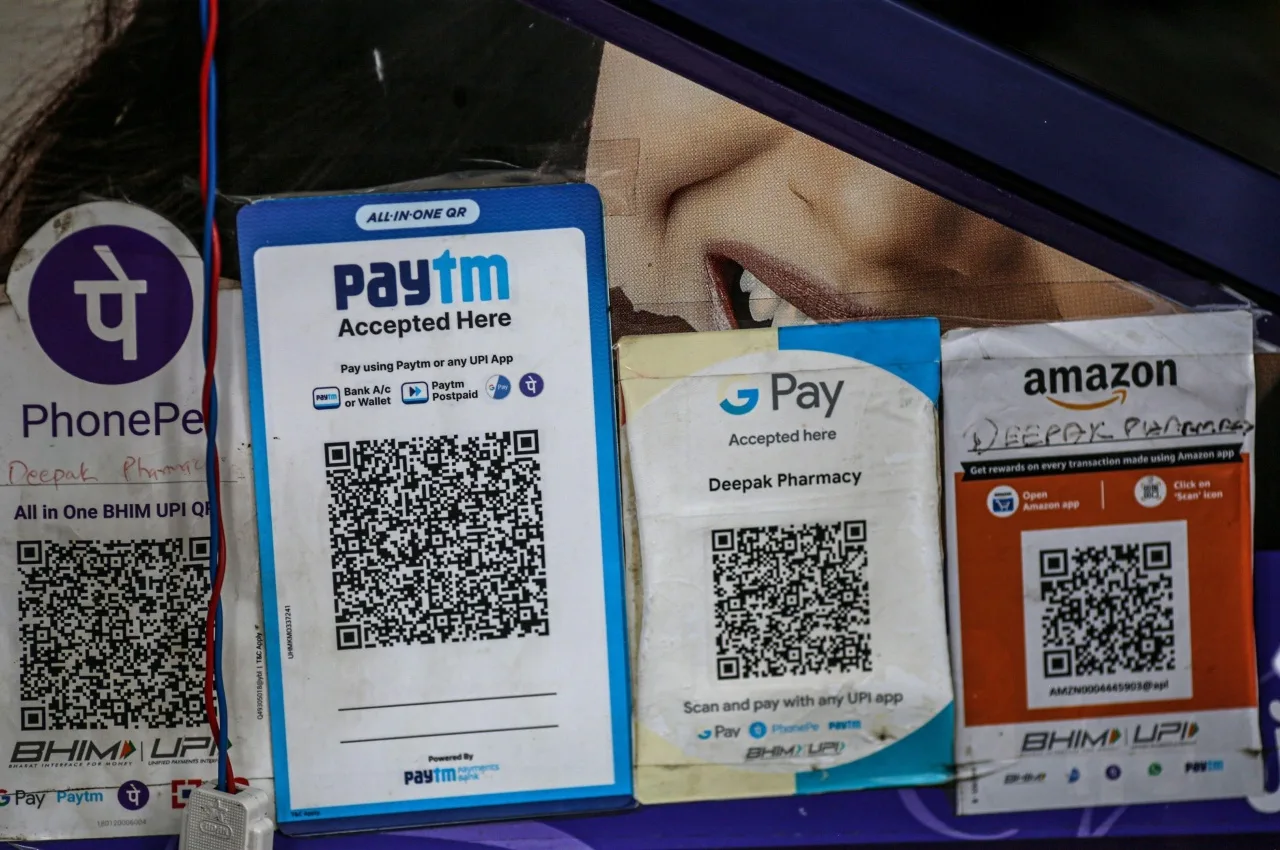
PhonePe, Paytm, GPay: Good news for small shopkeepers, as the National Payments Corporation of India (NPCI) is developing a new system that allows payment alerts from all UPI apps to be received through a single Soundbox. The adoption of digital payments is soaring in India, with UPI transactions becoming commonplace in everything from small grocery stores to larger retail outlets. However, shopkeepers face a significant challenge: they must purchase different Soundboxes and QR codes for each UPI app.
Some shopkeepers use Paytm’s Soundbox, while others opt for PhonePe or Google Pay. This situation not only raises costs for shops but also often leads to space constraints on the counter. With the new system, regardless of whether a customer pays via PhonePe, Paytm, Google Pay, or any other UPI app, the shopkeeper will receive payment notifications on a single device. This initiative by NPCI could represent a significant shift for millions of small shopkeepers across India, reducing expenses and simplifying the digital payment process.
Write a Comment