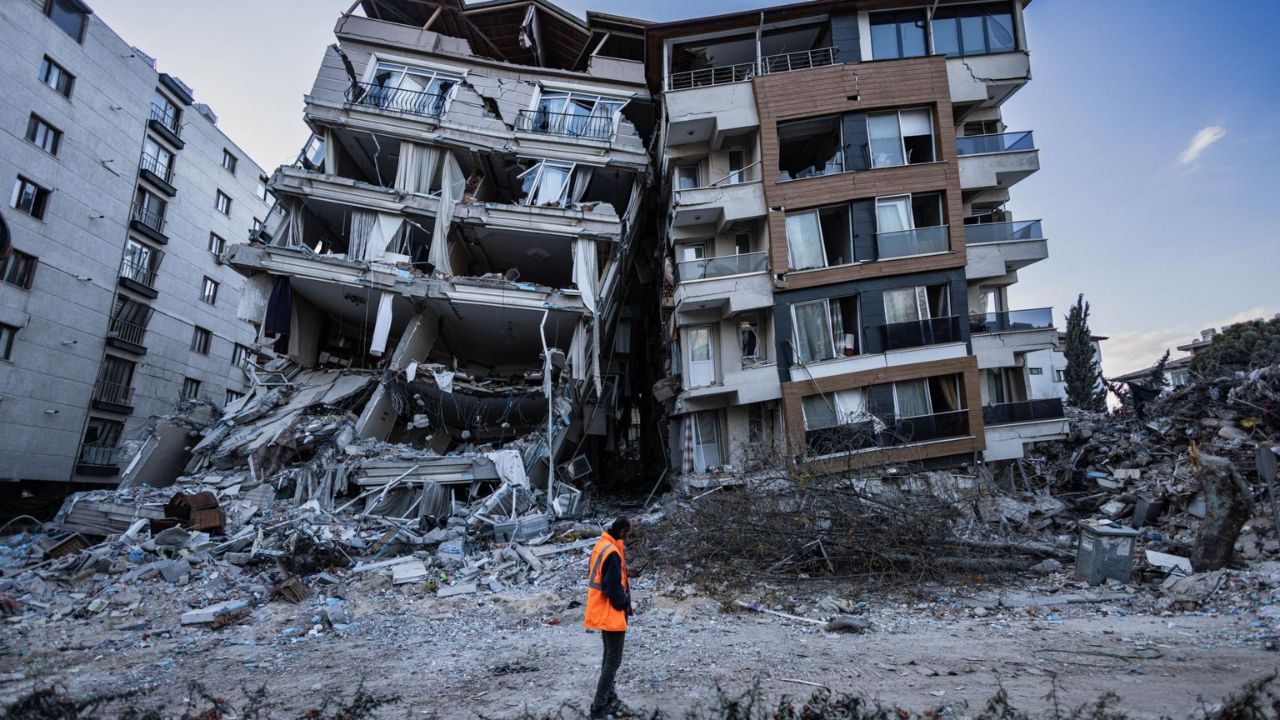
Myanmar Earthquake: There was A strong earthquake recently struck Myanmar, which caused intense tremors that were felt throughout the region. The strength of the earthquake brought overall fear of destruction and safety issues. Residents in the surrounding areas experienced the shaking of the ground, which led to evacuations and emergency services. The 7.7 earthquake triggered alarm among specialists and administrators, who are closely monitoring for aftershocks and evaluating the destruction caused by the shaking.
Myanmar Earthquake: Impact and Response
Epicentre was in Sagaing region of Myanmar. It could be felt in Bangkok, Thailand, as far as where residents saw observable movement. Ava Bridge over the Irrawaddy River at Mandalay collapsed because of the magnitude of the quake, reports state. Many buildings were structurally weakened, and people poured out of buildings in panic. Emergency authorities are currently evaluating the situation, and although to date, no casualties have been reported, the prospects of extensive damage are significant. Everyone has been cautioned by the authorities to remain safe and adhere to safety procedures during aftershocks.
How Hazardous Is a 7.7 Magnitude Earthquake?
An earthquake of magnitude on the Richter scale of 7.7 is a huge earthquake, one that tends to create extensive damage to numerous tens of miles wide. The earthquakes can lead to the destruction of buildings, bridges, and other structures, particularly if the buildings were not designed to withstand earthquake forces. The energy released due to a 7.7 quake is enormous, leading to heavy ground shaking and possible secondary activity such as landslides or tsunamis, based on the site. Myanmar is also located in an active seismic area, and earlier, it has also witnessed a sequence of violent quakes, and therefore preparedness is also highly important to reduce damage and loss of life. According to scientists, the same type of earthquakes can also trigger landslides, particularly in mountainous regions, thereby further compounding rescue and relief operations.
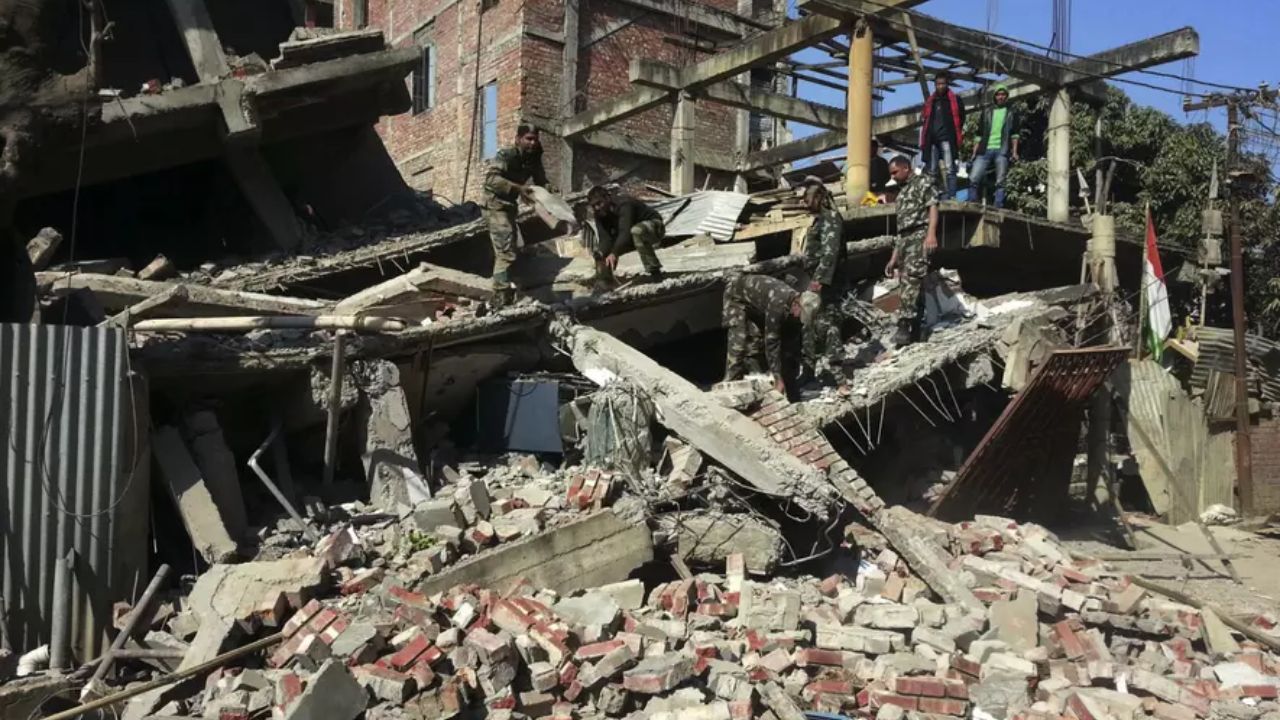
History of Earthquakes in Myanmar
Myanmar has been rocked by a sequence of earthquakes over time as it lies near tectonic plate edges. In 2016, Myanmar’s central part was hit by a 6.8 magnitude earthquake that damaged ancient temples in the ancient city of Bagan. In 2011, there was another earthquake at 6.9 on the Richter scale, which resulted in deaths and damage to buildings. The country is prone to seismic activity regularly, and scientists continually monitor these trends to improve earthquake preparedness and response. With its history, Myanmar is still very susceptible to powerful earthquakes, especially with a need for more infrastructure planning and public awareness.
History of the World’s Strongest Earthquakes
Since the beginning of time, there have been many earthquakes that have brought about massive destruction and loss of human life. The deadliest earthquake in the history of mankind happened in China in 1556 and resulted in an approximate loss of 830,000 lives. Most recently, on 26 December 2004, an earthquake of great strength off the coast of Indonesia’s island of Sumatra triggered a tsunami that devastated several countries in the Indian Ocean and killed nearly 230,000 people. In Nepal, there was a 7.8-magnitude earthquake on 25 April 2015 that claimed over 9,000 lives and caused more than 23,000 injuries. These occurrences underscore the risk of large-magnitude earthquake disasters and the need for preparedness and resilient infrastructure.
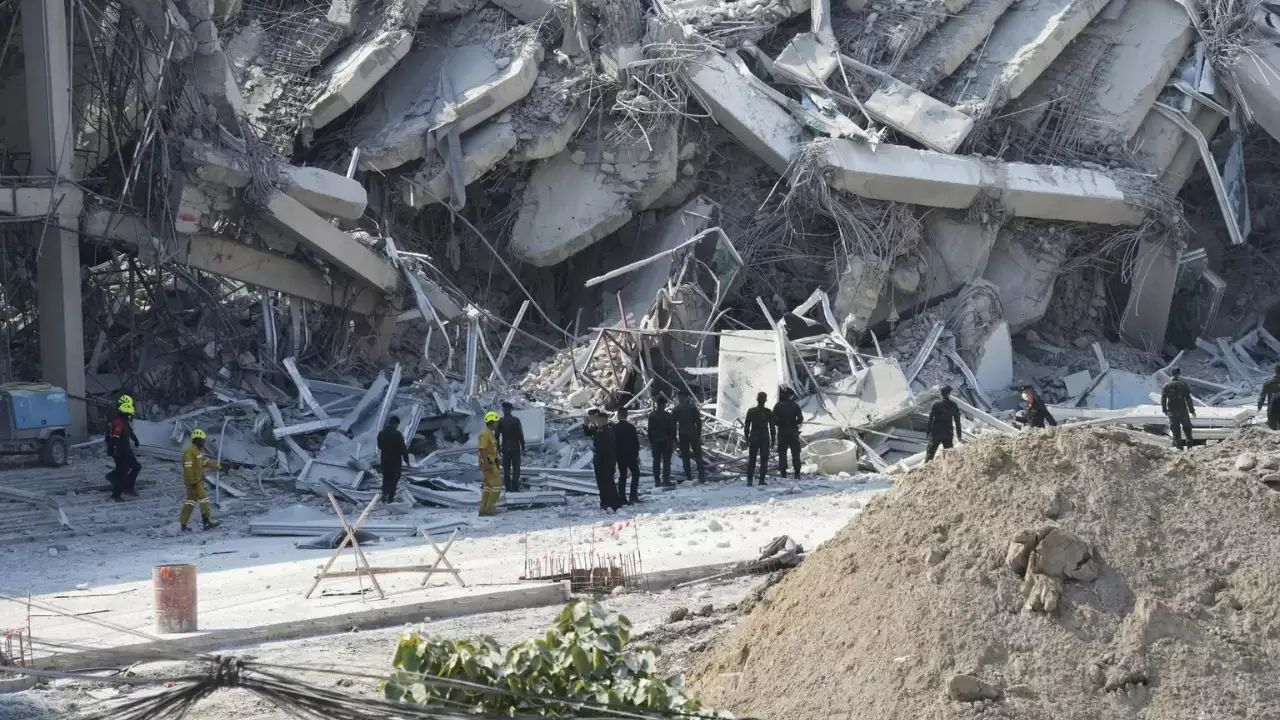
How to Survive an Earthquake
When the earthquake strikes, rapid action can be a matter of life and death. The “Drop, Cover, and Hold On” strategy is advised: drop to the ground, get under solid furniture, and hold on until the shaking ceases. Avoid windows, heavy furniture, and collapsing buildings. If outdoors, relocating to an open area away from structures and power lines minimizes risk. Preparation for emergencies, possession of a survival kit, evacuation plan, and knowledge of safe zones is of utmost importance. Local and governmental agencies also need to make the buildings earthquake-resistant to minimize destruction and loss of lives.
Latest News
- PM Surya Ghar Yojana 2026: Get Up to Rs 78,000 Subsidy within 6 Easy Steps, Know Here

- Cheapest Available 5G Smartphones in India Under 10000

- UPSC Prelims Answer Key 2026 – How to Download UPSC Prelims Answer Key at upsc.gov.in

- 8th Pay Commission: एनपीएस और पुरानी पेंशन में कौन सी बेहतर, जानिए बड़ा अपडेट

- Xiaomi 17T Launching With Leica 5x Zoom and Huge 6,500mAh Battery Under ₹60,000

- NEET UG 2026 – Haryana & Bihar Announce Free Bus Service for Candidates on June 20-21

- PM Kisan 23rd Installment: Farmers to get Rs 2000 in June? Know Here

- Best Premium Smartwatches Under ₹10,000: Upgrade to Luxury Metallic Builds, AMOLED Screens, and In-Built GPS

- Maruti Dzire CNG Continues Dominance – Fuel Efficient Sedan Wins Indian Families

- Vivo Y600 Turbo Set to Debut: Featuring a 165Hz Display, Dimensity 8500, and a Massive 9,020mAh Battery