


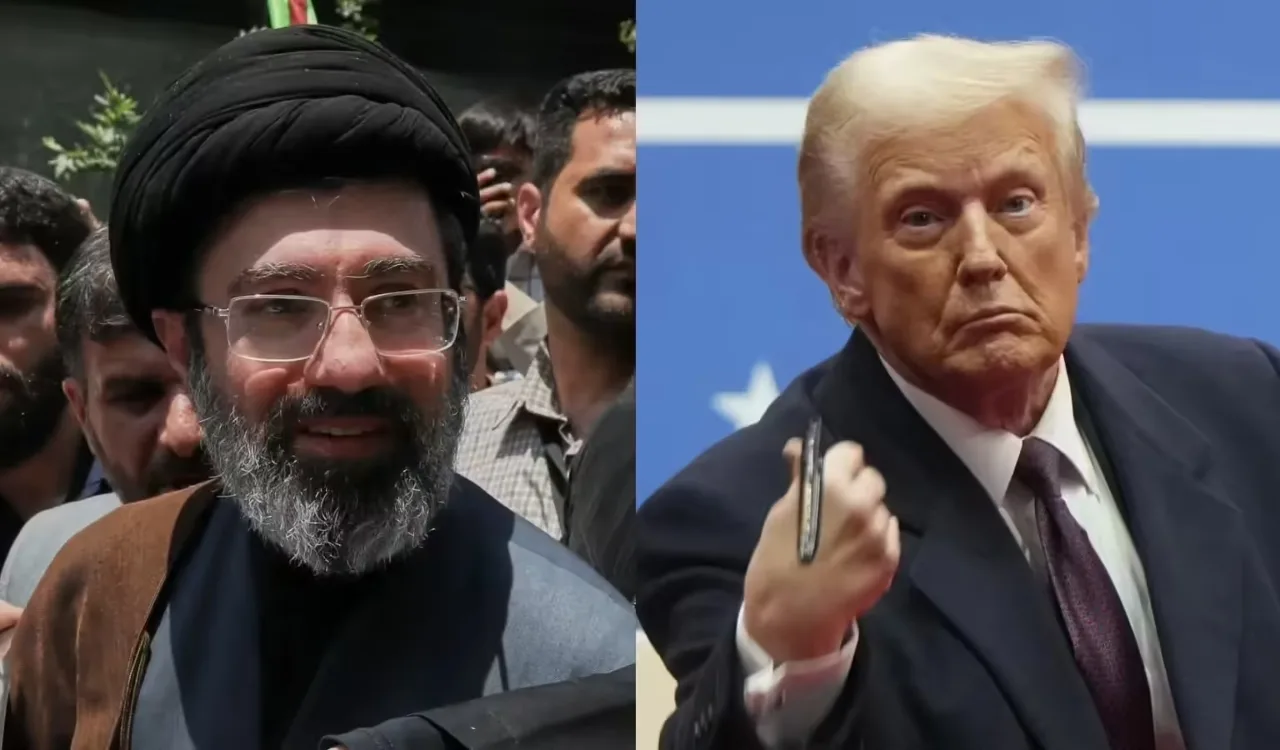
Iran-US Peace Deal: Negotiations for a deal to resolve the conflict between the US and Iran are now in their final stages. If the agreement is finalised, West Asia will be spared the threat of war. Iran now appears willing to accept the proposal put forward by the US.
According to a senior Iranian official, the final draft of the Memorandum of Understanding (MOU) with the US addresses several key issues. Iran will not be able to manufacture nuclear bombs—a primary condition set by the US. Additionally, a consensus appears to be emerging regarding the opening of the Strait of Hormuz.
Once the agreement in principle is reached, negotiations on the final deal will take place over the next 60 days. Sources indicate that Iran has opened the Strait of Hormuz to all commercial vessels with immediate effect; there will no longer be any obstruction to the movement of ships. The US has also lifted the naval blockade it had imposed on Iranian ports.
No New Sanctions on Iran
The US has agreed not to impose new sanctions on Iran pending a final agreement. The US will temporarily ease oil-related sanctions, enabling Tehran to sell oil and generate revenue. The US has also agreed to release $25 billion in frozen Iranian assets; this will be executed through methods such as direct cash transfers, cooperation among regional nations, and financial credit lines.
Iran Barred from Producing Nuclear Weapons
Tehran has agreed neither to manufacture nor to acquire nuclear weapons. It has committed to maintaining the status quo regarding its nuclear program until a final agreement is reached; this entails refraining from uranium enrichment and the expansion of nuclear facilities.
The US has agreed that Tehran will reduce its stockpile of highly enriched uranium held within the country, with the specific modalities for this reduction to be discussed within 60 days.