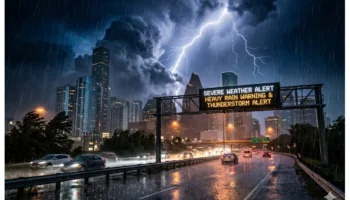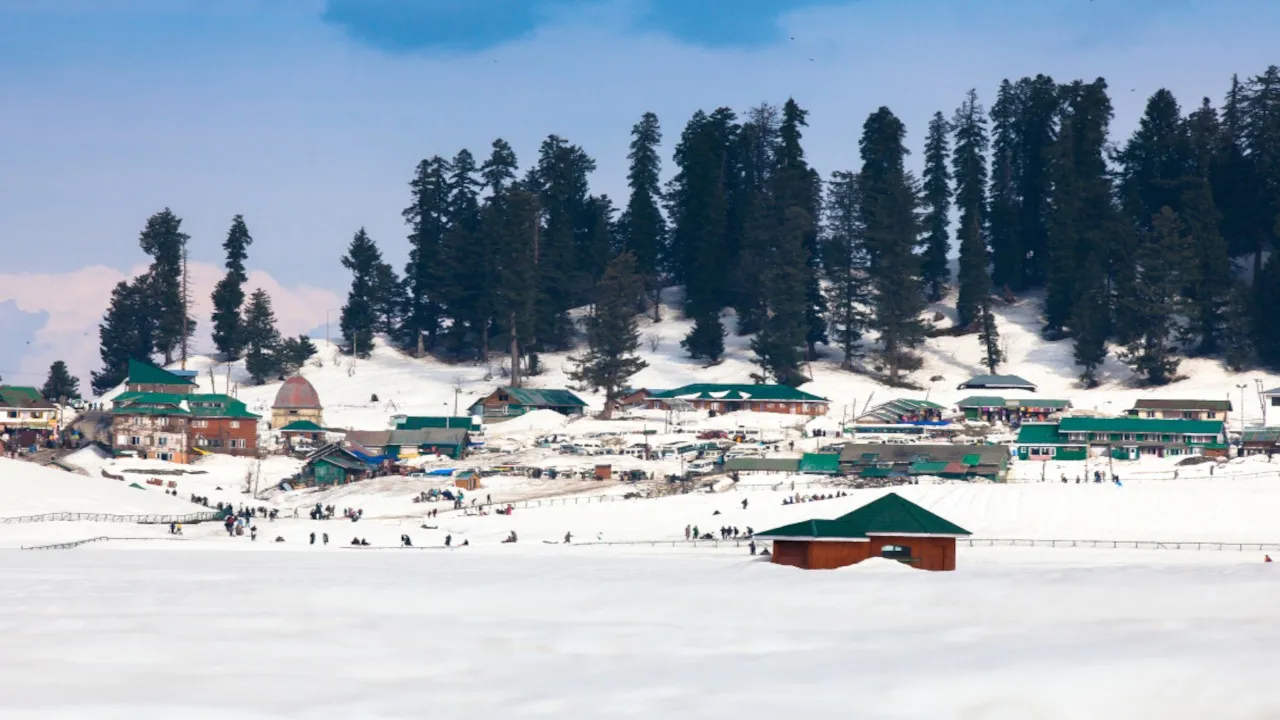
Winter Travel Alert: From December to February, Kashmir transforms into a dreamlike world. The mountains, valleys, and lakes are covered in a blanket of snow, as if nature has painted its masterpiece in white. The ski slopes of Gulmarg, the tranquility of Pahalgam, and the sight of snow falling on Dal Lake are simply breathtaking.
But this beauty also brings challenges – biting cold, slippery roads, and sometimes disrupted services. An unprepared trip can be difficult. Let’s look at 7 essential things that will make your Kashmir trip memorable and safe.
Dress for the Cold
Temperatures can drop below freezing. Be sure to pack thermal innerwear, woolen sweaters, a waterproof jacket, warm socks, gloves, a muffler, and a hat. A tip – dress in layers; this helps retain body heat. Change out of wet clothes immediately.
Check Road Conditions Before You Travel
Heavy snowfall can close many roads, including the Srinagar-Jammu Highway. Check road conditions with local traffic police or your hotel just before your trip. Exercise extra caution while driving.
Take Care of Your Skin and Health
The cold air can dry out your skin. Don’t forget to use moisturizer, lip balm, and sunscreen (yes, you can get sunburn even in the snow!). You may not feel thirsty in the cold, but drink plenty of water to stay hydrated.
Choose Your Footwear Wisely
Waterproof and slip-resistant (with good grip) shoes are best for walking on snow. Regular sports shoes can be slippery, leading to injuries.
Plan for Network and Money Access
Mobile network coverage can be weak in remote areas. Save important phone numbers offline. Carry sufficient cash, as online payments or ATM services may be affected during snowfall. 6. Book Hotels and Transportation in Advance
The snowy season is a favorite time for tourists, so book your hotels, taxis, and local transportation well in advance of your trip. This will ensure a comfortable journey and prevent last-minute hassles.
Respect Local Advice
Unfamiliar snowy roads can be dangerous. Seek the assistance of local guides and take warnings and advisories issued by the meteorological department or local authorities seriously. They have a better understanding of the area and weather conditions.