
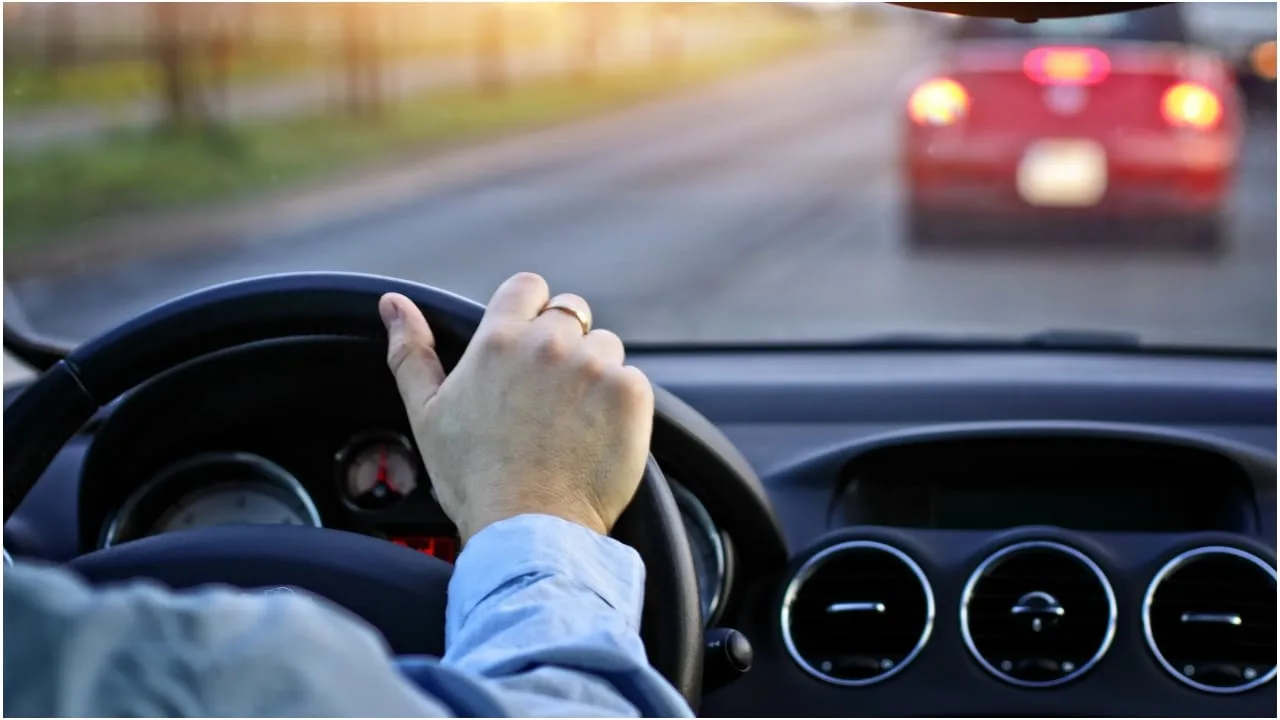
Driving Without A License can now land you in serious trouble. If you ride a bike, scooter, or drive a four-wheeler, this update is essential for you. Traffic police across the country have stepped up enforcement, and motorists caught driving without a valid license face strict action under the Motor Vehicles Act.
Driving Without a License: What Is the Penalty?
Under Section 3/181 of the Motor Vehicles Act, driving without a license can attract a fine of up to ₹5,000. In addition to the monetary penalty, the offender may face up to 3 three months’ imprisonment. Traffic police are also empowered to seize the vehicle in such cases.
This penalty applies even to the first offence, and if a person is caught repeatedly, the same fine may be imposed each time. Authorities are taking a zero-tolerance approach to improve compliance with traffic rules.
Why a Driving License Is Mandatory?
A driving license is not just an identity document. It is official proof that a person understands traffic rules and can drive safely on public roads. The government issues a license only after the applicant clears the required driving test. Driving without a valid license is illegal and poses a serious risk to the safety of both the driver and others on the road.
How to Avoid a Challan?
If you have applied for a driving license and possess a valid Learning License, you can show it to the traffic police to avoid penalties. Authorities also accept digital driving licenses stored on DigiLocker or the mParivahan app. Even if you are not carrying a physical card, presenting a valid digital DL is legally acceptable.
Documents You Must Carry While Driving
In addition to a valid driving license, motorists must carry the vehicle’s Registration Certificate (RC), a valid copy of the insurance policy, and a Pollution Under Control (PUC) certificate. If any of these documents are missing, the traffic police can issue separate fines for each violation.
With stricter enforcement, following traffic rules and keeping all required documents ready are the safest ways to avoid hefty penalties and legal trouble.
Latest News
- Weather warning – Heavy Rain, thunderstorms, lightning Alerts for 13 States Over Next 3 Days

- UP TGT Exam City Slip 2026 Released – Download at upessc.up.gov.in, Exam June 3-4

- ATM Alert: एटीएम में फंस जाए डेबिट कार्ड तो घबराएं नहीं, फटाफट यह काम करने से होगा समाधान
- Post Office Scheme – 7.5% Interest Rate, ₹5 Lakh Becomes ₹7,24,974 in 5 Years, Start with Just ₹1,000
- Best AI Video Editing Laptops Under 60,000 INR: Top Picks Her

- Best CNG Cars: पेट्रोल के बढ़ते दाम के बीच ये सीएनजी गाड़ी खरीदकर खर्च करें कम, माइलेज भी जबरदस्त

- Samsung Stable One UI 8.5 Update to Galaxy Tab S10 FE and Tab S10 FE+

- बुढ़ापे की लाठी बनेंगी ये तीन स्कीम्स, निवेश से पहले जानिए कितना मिल रहा ब्याज

- OnePlus Nord CE 6 vs Samsung Galaxy A57: Which Mid-Range 5G Phone Wins?

- Lenovo LOQ 15 Gen 11 Review: Best Budget Gaming Laptop?