


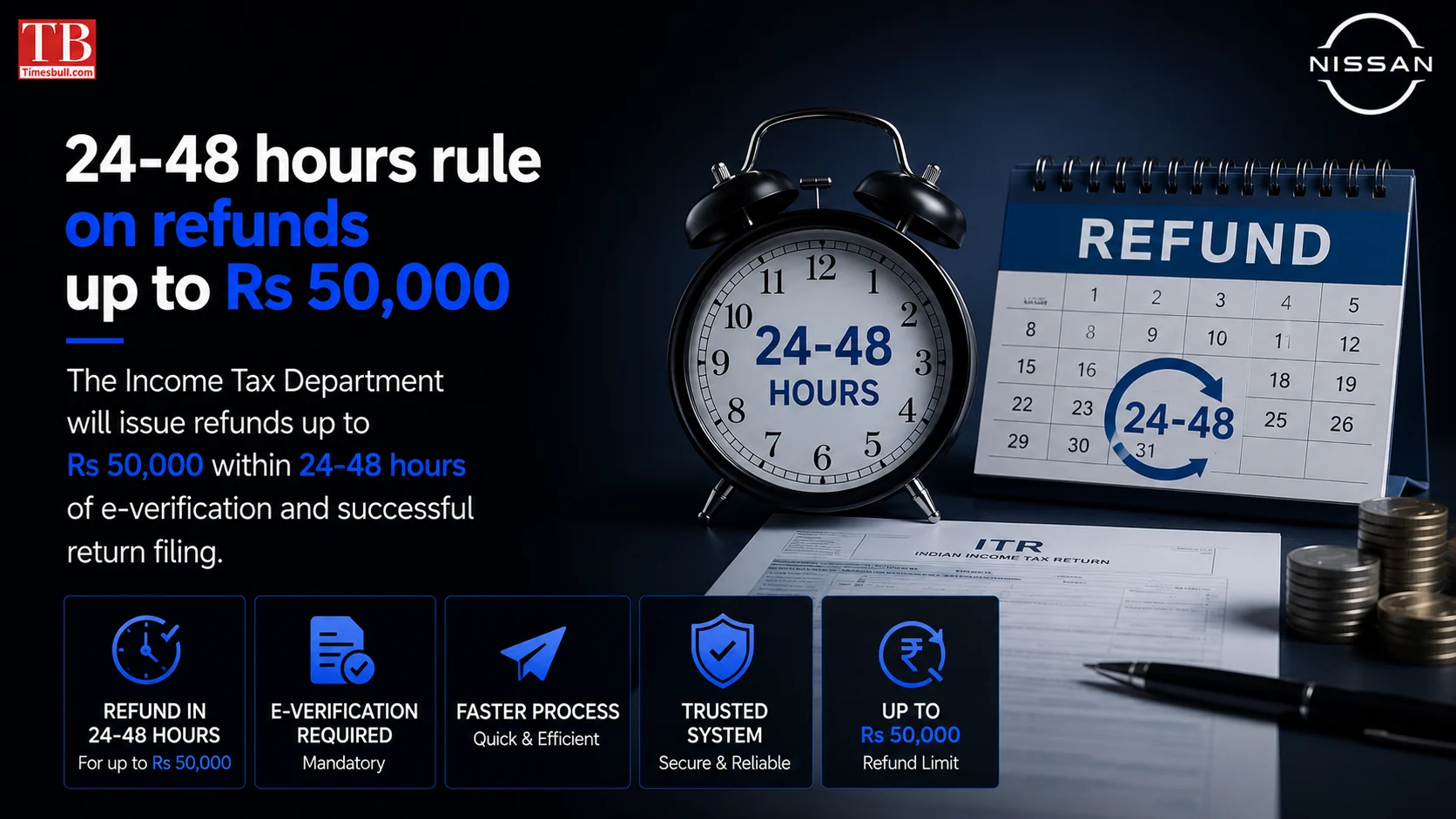
24-48 hours rule on refunds up to Rs 50,000
According to officials of the Income Tax Department, in cases of refunds up to Rs 50,000, if the system finds the information given in the return to be correct, the process of refund is initiated immediately.
Technically, the department does not differentiate between low refunds and high refunds, but there are additional checks on large amounts. Under this new system, returns in which AIS, Form 26AS and TDS data match perfectly are processed immediately.
However, experts say that refunds above Rs 50,000 are subjected to extra scrutiny.
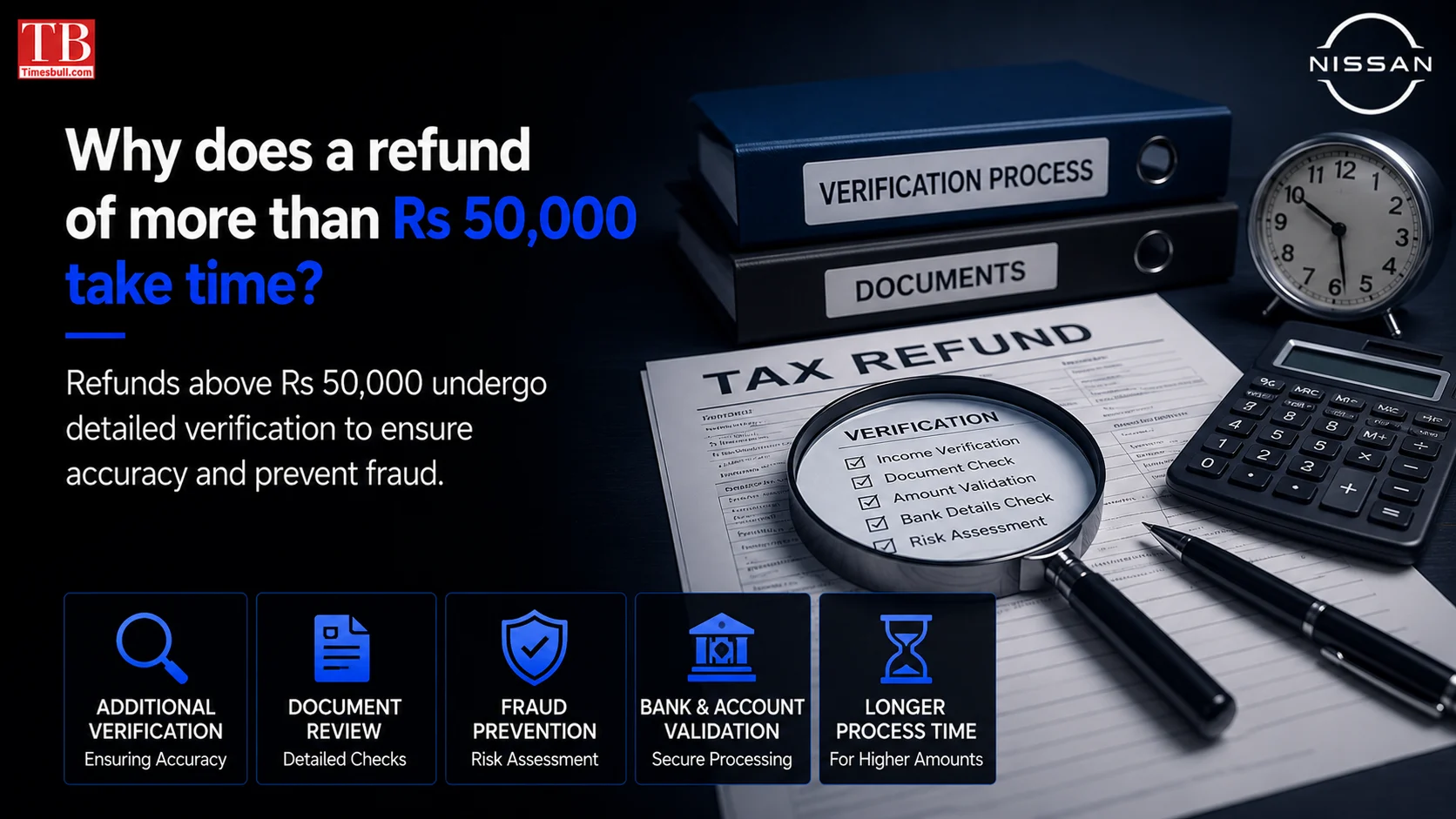
Why does a refund of more than Rs 50,000 take time?
In cases of refund of more than Rs 50,000, the first documents and claims are reconciled. Refunds in such cases can usually take two to three weeks.
According to officials, in cases where several things need to be verified regarding the refund, a separate investigation is being done. Especially in cases where receipts from donations to NGOs to political parties are made to save income tax, all those cases are thoroughly investigated.
Under the risk-based framework (RMF) of the department, certain returns are set aside for scrutiny.
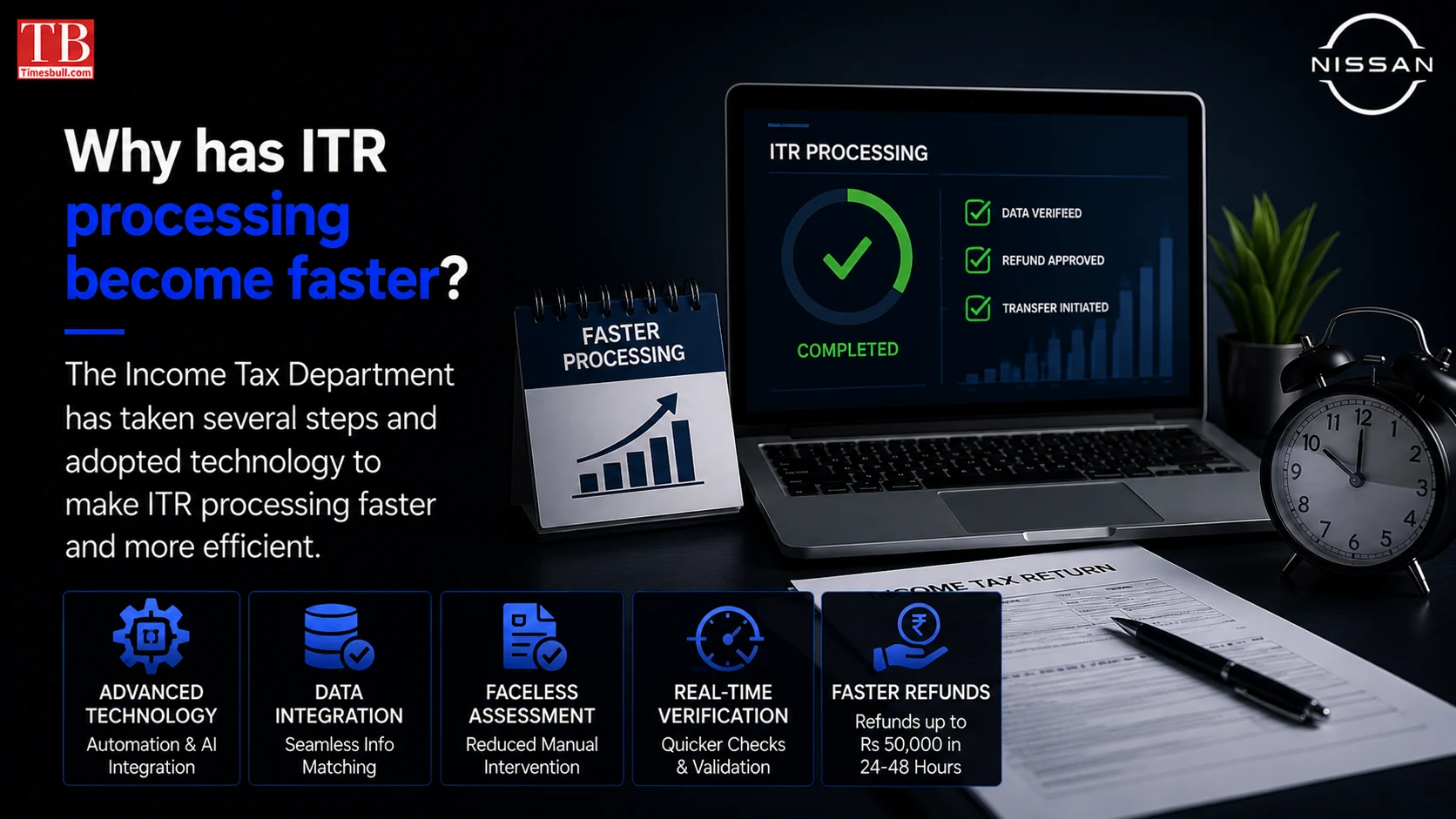
Why has ITR processing become faster?
The Income Tax Department has made its backend very sophisticated in the last few years. Now the processing system works on AIS, TIS, Form 26AS, pre-filled returns, automated validation and real-time data integration from banks, employers and brokers.
As a result, the Department had issued refunds of more than Rs. 4.35 lakh crore till 31st March 2025. However, this does not mean that the refund will come quickly in every case - It all depends on the accuracy of your returns.
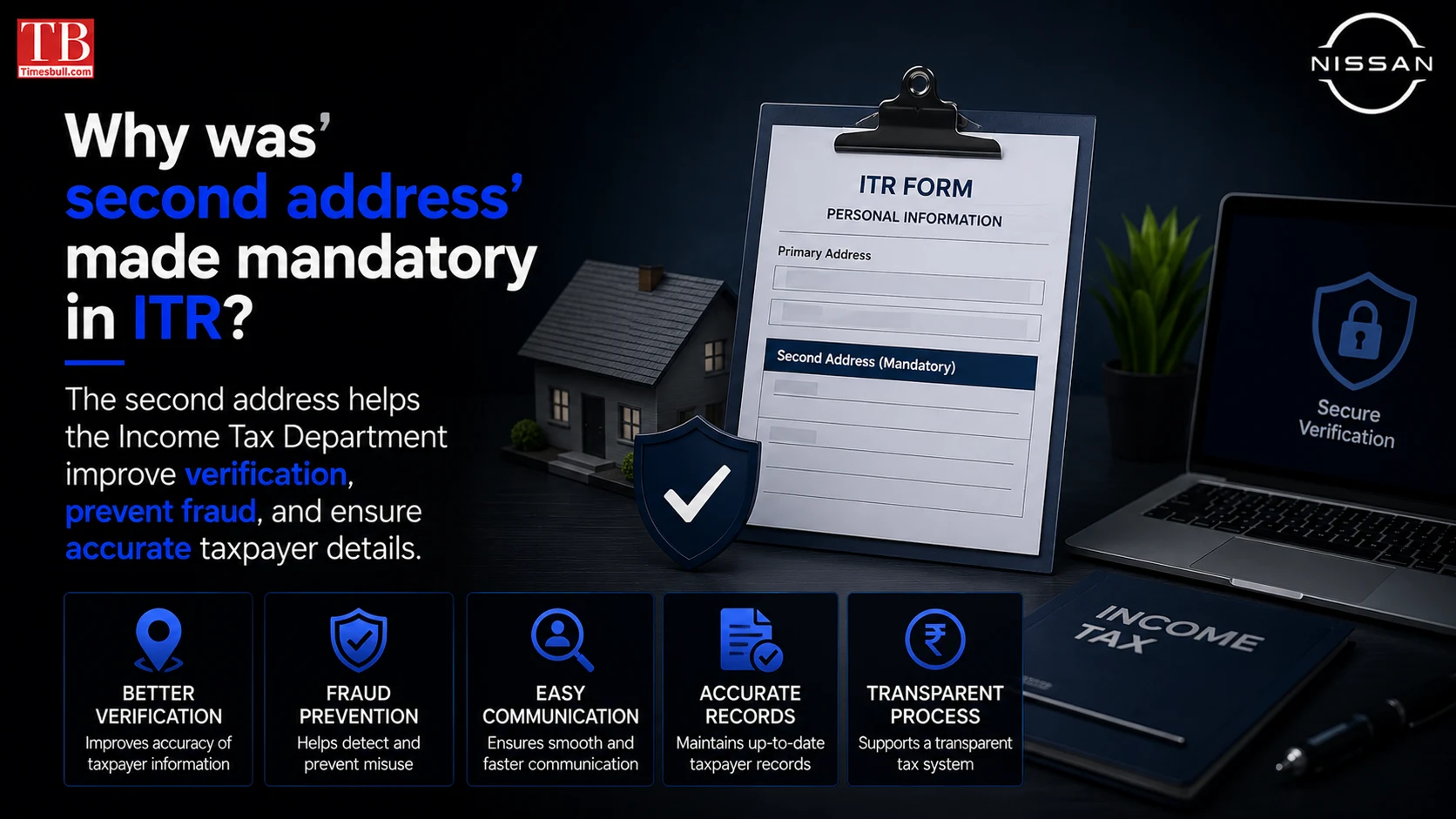
Why was' second address' made mandatory in ITR?
This time the Income Tax Department has added a new column in the ITR form. Employed people will now be required to give the address of current residence along with the permanent address.
The purpose is to enter the correct address of taxpayers and make the scrutiny of returns more accurate. According to Moushumi Nagarsenkar, Partner, Deloitte India, earlier taxpayers had to provide only one address.
Now the option of primary and secondary address is for those who live in more than one household or whose permanent and temporary address is different.

Why pay special attention to HRA claims?
The Income Tax Department has also made this change to check and verify cases related to House Rent Allowance (HRA). In many cases, it has been seen that many people are living in another city and while claiming HRA, they put the receipt of another city.
Or people do not live in a rented house, but still claim HRA by putting a receipt in a fake way. In such a situation, the purpose of the second finding is also to check the veracity of the HRA. If there is any discrepancy or typo error in both your addresses, it can lead to serious consequences.
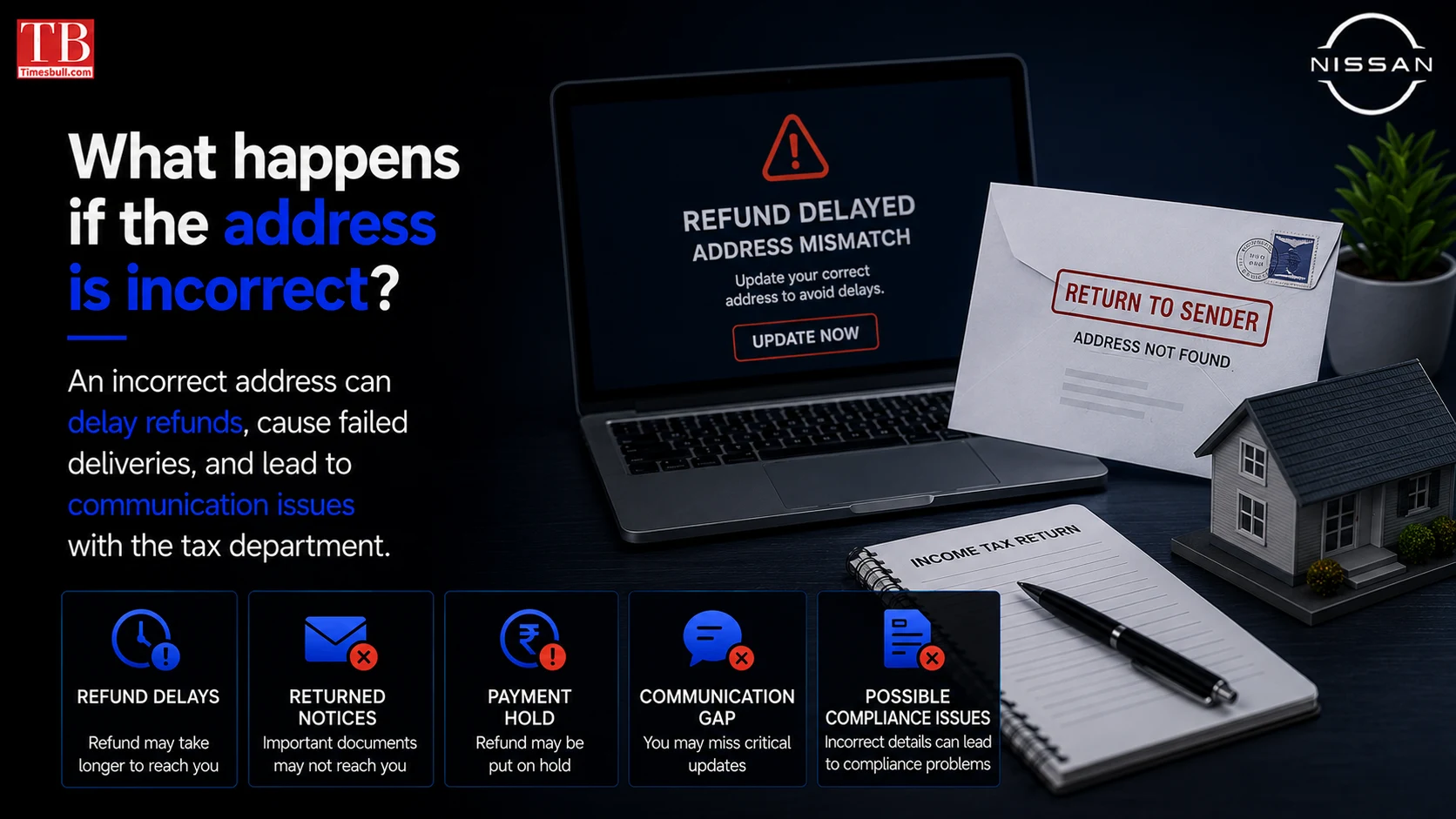
What happens if the address is incorrect?
If the secondary address does not match with the rent agreement or receipts, the HRA claim can be questioned during the tax assessment. According to tax expert Chandni Anandan of ClearTax, the income tax department can ask you for an explanation if there is a mismatch of address.
One may be asked to submit the rent agreement, landlord details and address proof for verification, which may lead to the refund getting stuck or delayed in processing. Also, the HRA claim can be rejected if the claimant fails to produce correct and matching supporting documents when asked for.
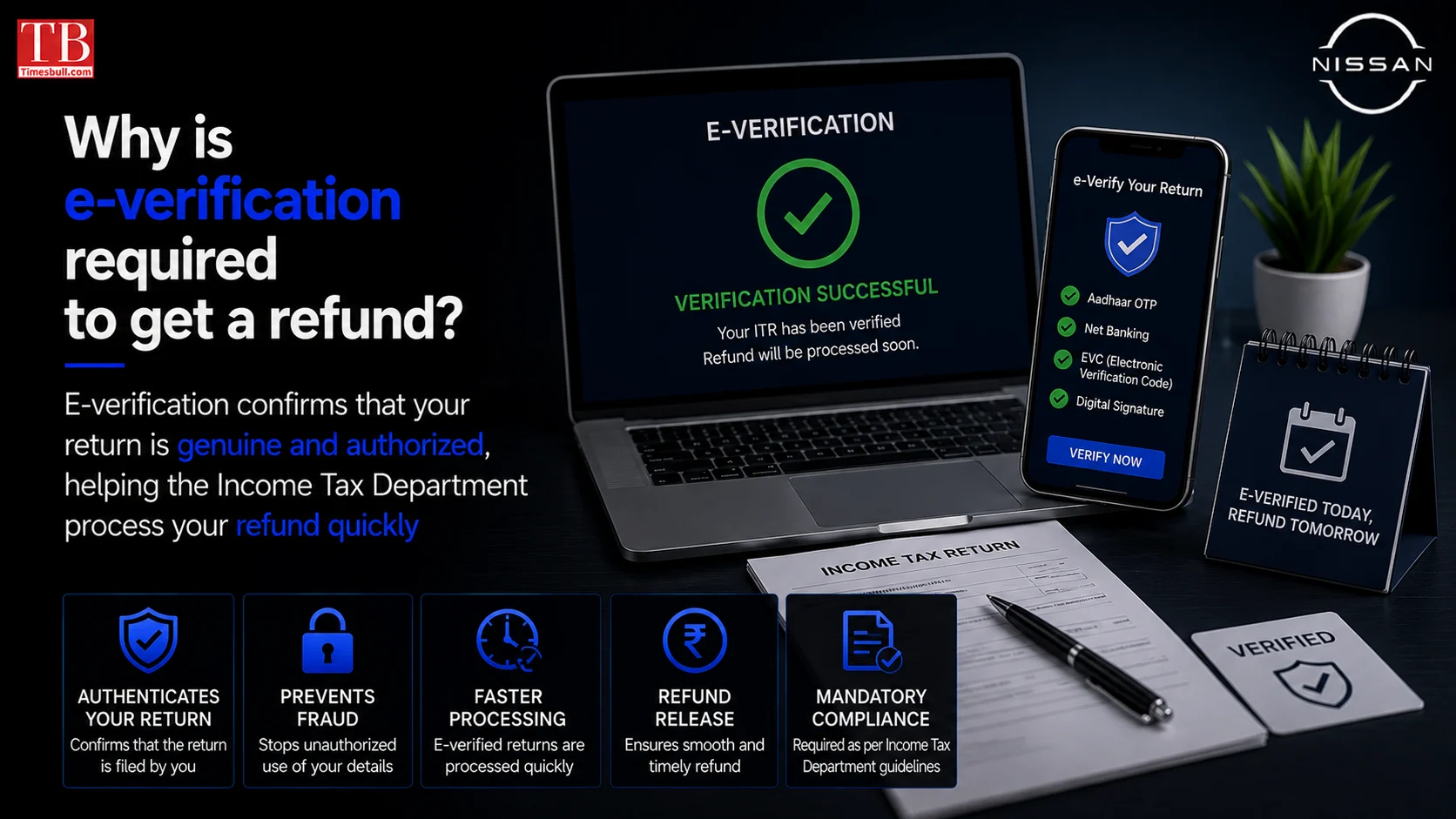
Why is e-verification required to get a refund?
Refund processing begins only after the taxpayer completes e-verification of the return. According to the Income Tax Department's website, the refund is usually credited to the taxpayer's account within 4-5 weeks of e-verification. It is mandatory to e-verify the ITR and it has to be completed within 30 days of filing. If the ITR is not e-verified, the return is considered 'incomplete' or 'invalid' and no refund is received. You can use Aadhaar OTP, net banking, or pre-validated bank account for e-verification.

What could be the reasons for the delay?
ITR refunds can be delayed due to a number of reasons, the most common mistakes being made by the taxpayer themselves:
Mismatch from AIS / Form 26AS: If your income, TDS, bank interest or other details do not match with AIS or Form 26AS, the return is withheld.
Invalid bank details: If the bank account is not pre-validated or the IFSC code is incorrect, the refund may fail.
Old tax demand: If any tax demand from previous years is pending, your refund is adjusted against it.
Invalid ITR Form: Choosing the wrong ITR form is a common mistake, which makes the return defective and halts the processing.
False claim of deduction: An incorrect claim for HRA, donations or other rebates can lead to scrutiny.
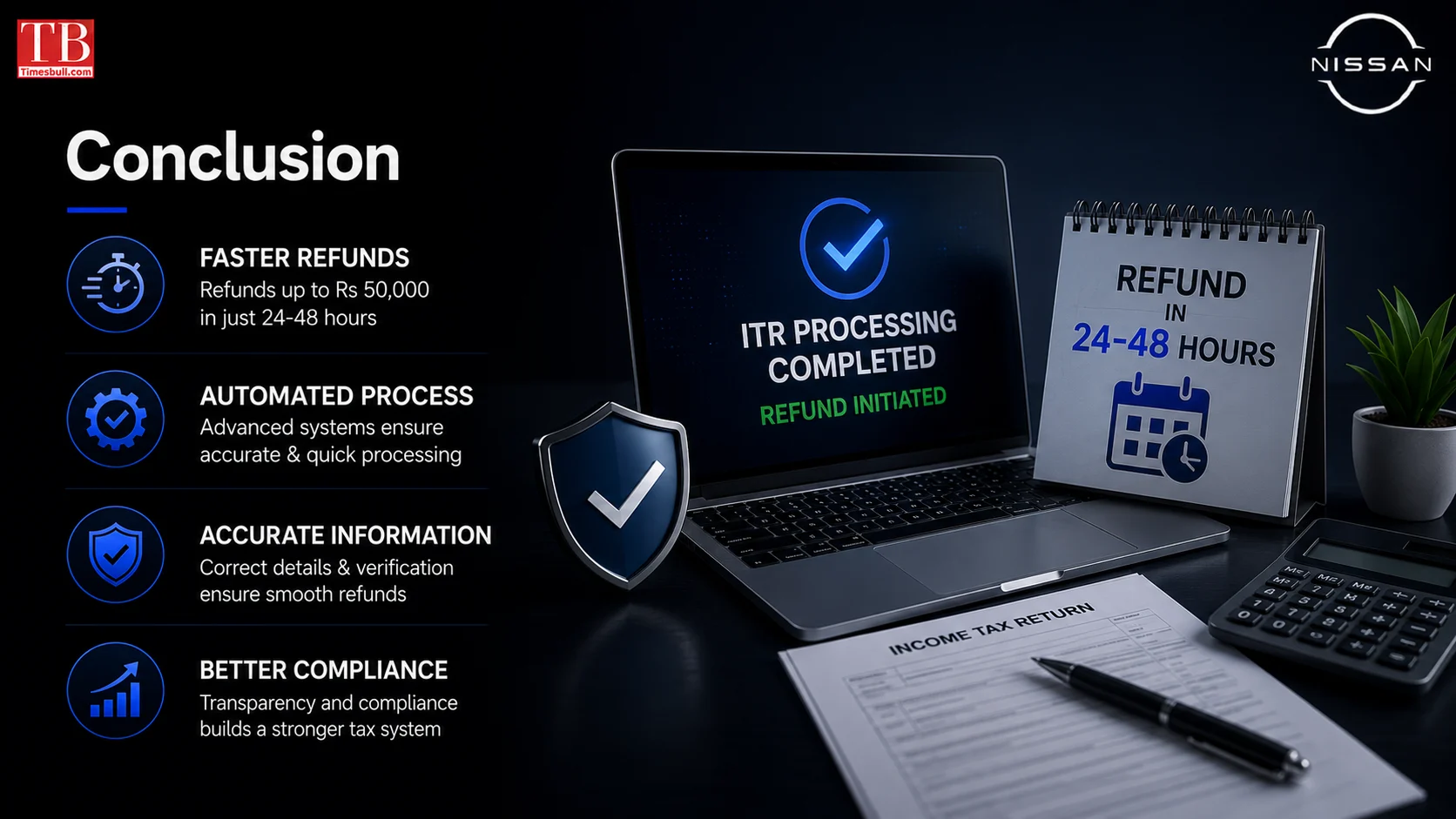
Conclusion
The Income Tax Department has automated and speeded up the process of ITR processing and refund issuance to a great extent. This process can now be completed in 24-48 hours for refunds up to Rs 50,000, provided all your information is correct.
However, large refunds or complex cases may take 2-3 weeks due to additional scrutiny. The new requirement of secondary address in the ITR form is meant to increase the transparency of HRA claims.
The most important thing to get a refund is to fill your ITR with the correct information, do its e-verification and keep all the documents correct. Stay tuned to timesbull.com for all the latest tax information, ITR Guides and Financial Updates.