


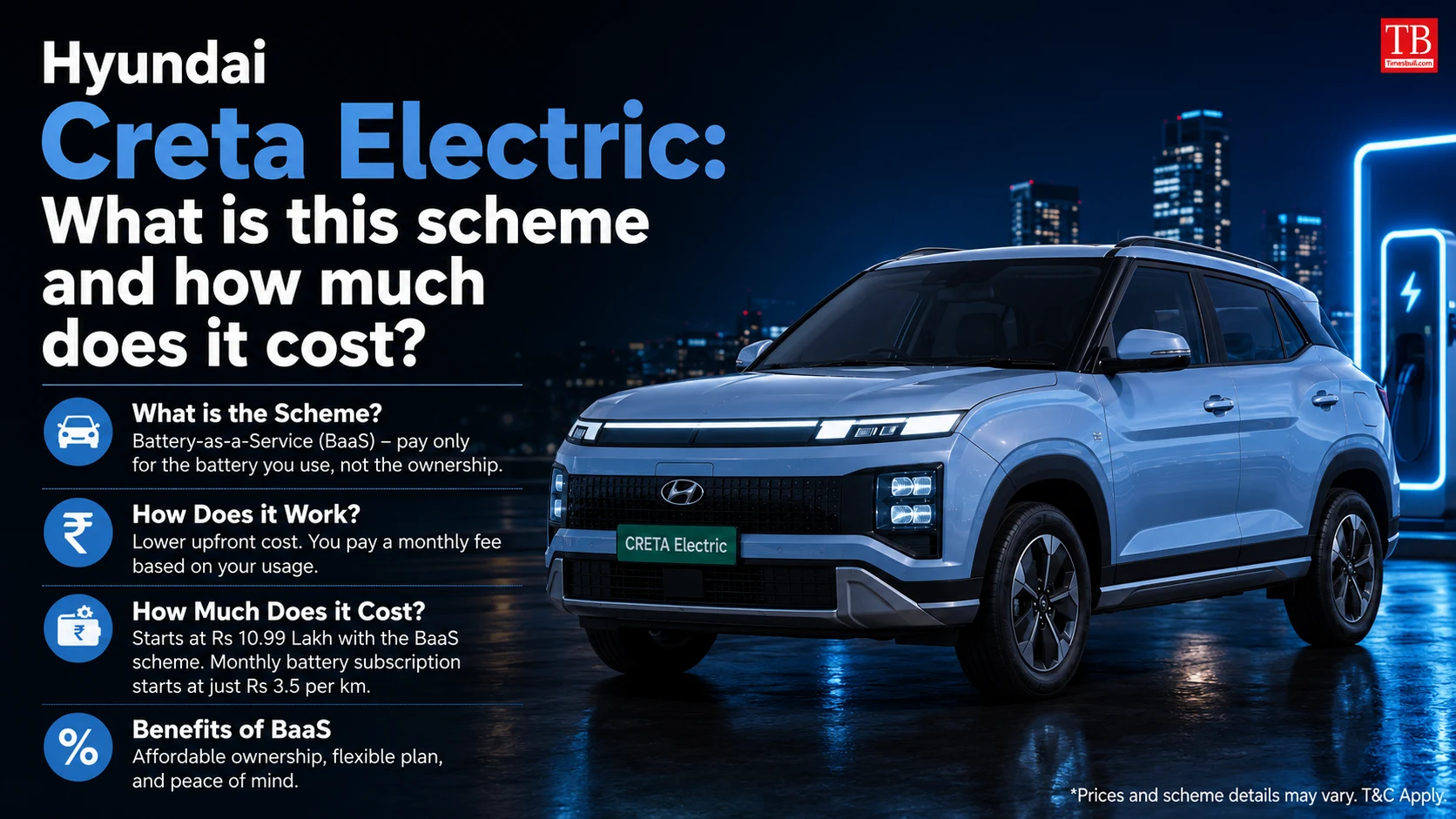
Hyundai Creta Electric: What is this scheme and how much does it cost?
The Hyundai Creta is a popular car in the mid-size SUV segment and its dominance in this segment is no secret. The company launched the electric version of this car Hyundai Creta Electric at the beginning of last year, but it did not do much in terms of sales.
Now the company has taken a new bet to boost its sales and has introduced BaaS i.e. Battery as a Service model. Under this service, the upfront price of the electric Creta is significantly reduced, although consumers have to pay a separate charge for the battery.
The question is whether this scheme is really beneficial and finally how much will the Creta electric be available now? Let's find out the answers to all these questions.
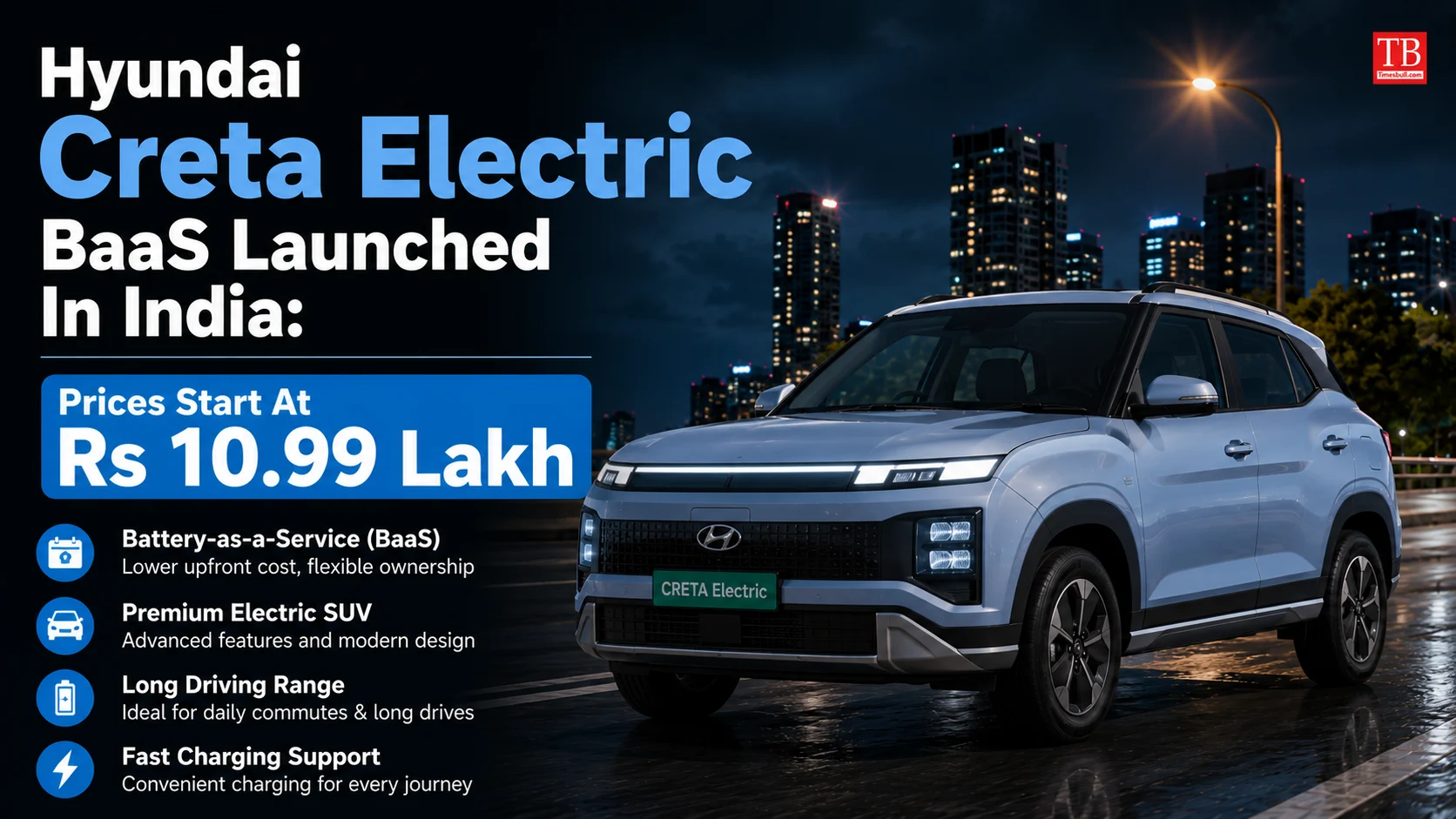
The Hyundai Creta Electric is priced at Rs. Starting at ₹10.99 lakh, charge separately for battery
The BaaS variant of the Hyundai Creta Electric starts at ₹10.99 lakh (ex-showroom), making it one of the most affordable electric SUVs in the Indian market. But one important thing to understand here is that this price does not include the battery.
Under this scheme, the buyer will have to pay a separate charge for the battery at the rate of ₹3.99 per kilometer. That is, if you walk 1000 kilometers a month, the battery charge will sit around ₹4,000 per month.
If you want to buy this car with a battery, its base variant comes at an ex-showroom price of Rs 18.03 lakh, while the top model is priced at Rs 24.70 lakh. This means that the entry-level variant of this car with the BaaS scheme is available at a lower price of about Rs 7 lakh. However, Hyundai has not yet revealed the BaaS scheme prices of all the variants of this car, which customers will have to wait for more.
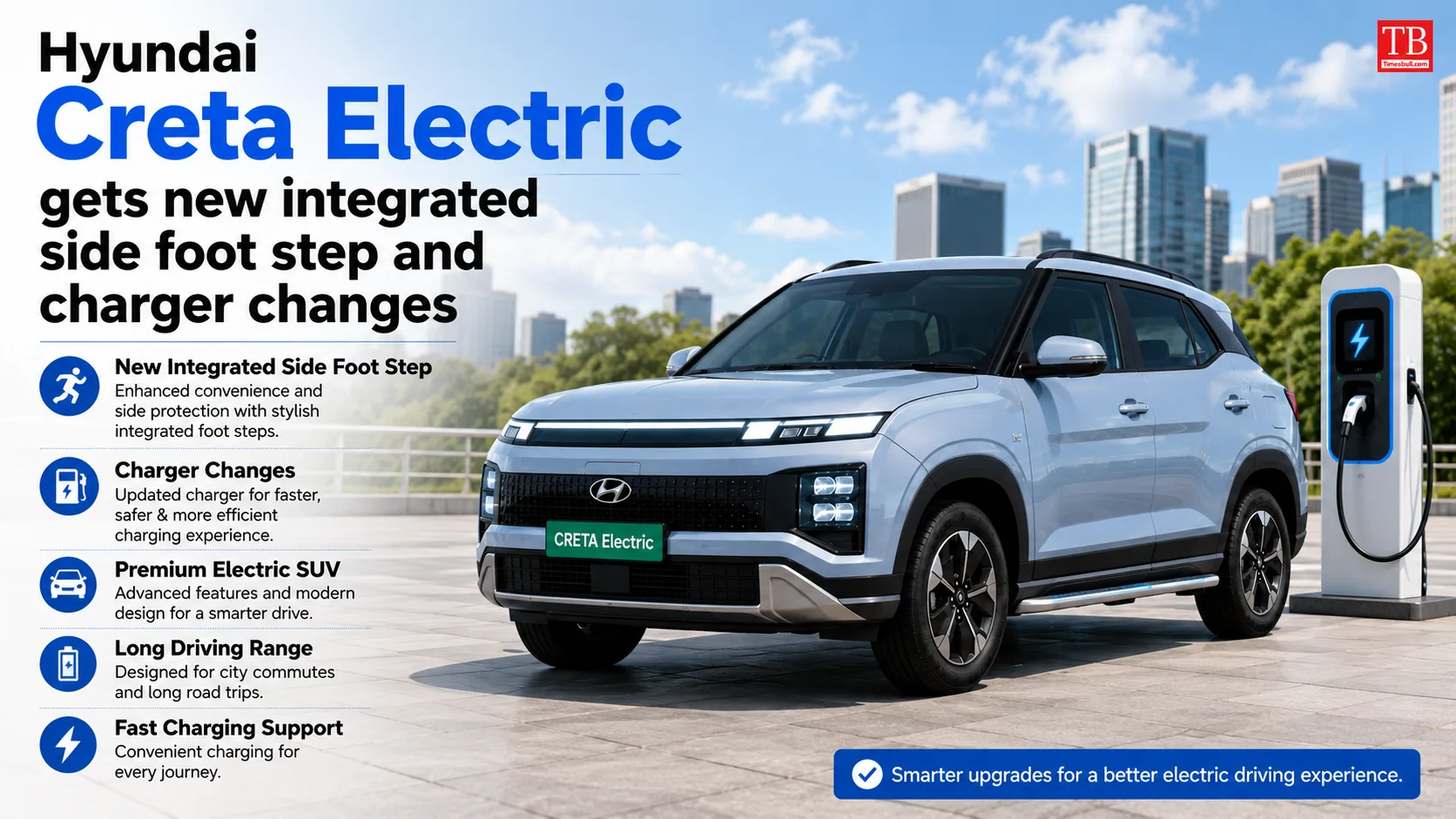
Hyundai Creta Electric gets new integrated side foot step and charger changes
With the announcement of the Hyundai Creta Electric BaaS price, the company has also made two important updates to the car. The first update is that now the integrated side foot step in the car will be available as standard in all variants.
This feature is especially useful for the elderly and families with children, as it makes it very easy to get in and out of the car. The second update is connected to the charger. The company has now decided to offer the HC variant of the car with a 7.4 kW AC wallbox charger setup as opposed to the earlier 11kW charger.
That is, the company has made cuts here, which can be disappointing. However, the company argues that homes mostly have only 7.4 kW chargers installed, so there is no need for an 11kW charger. But even so, it's a change that could hit some customers.
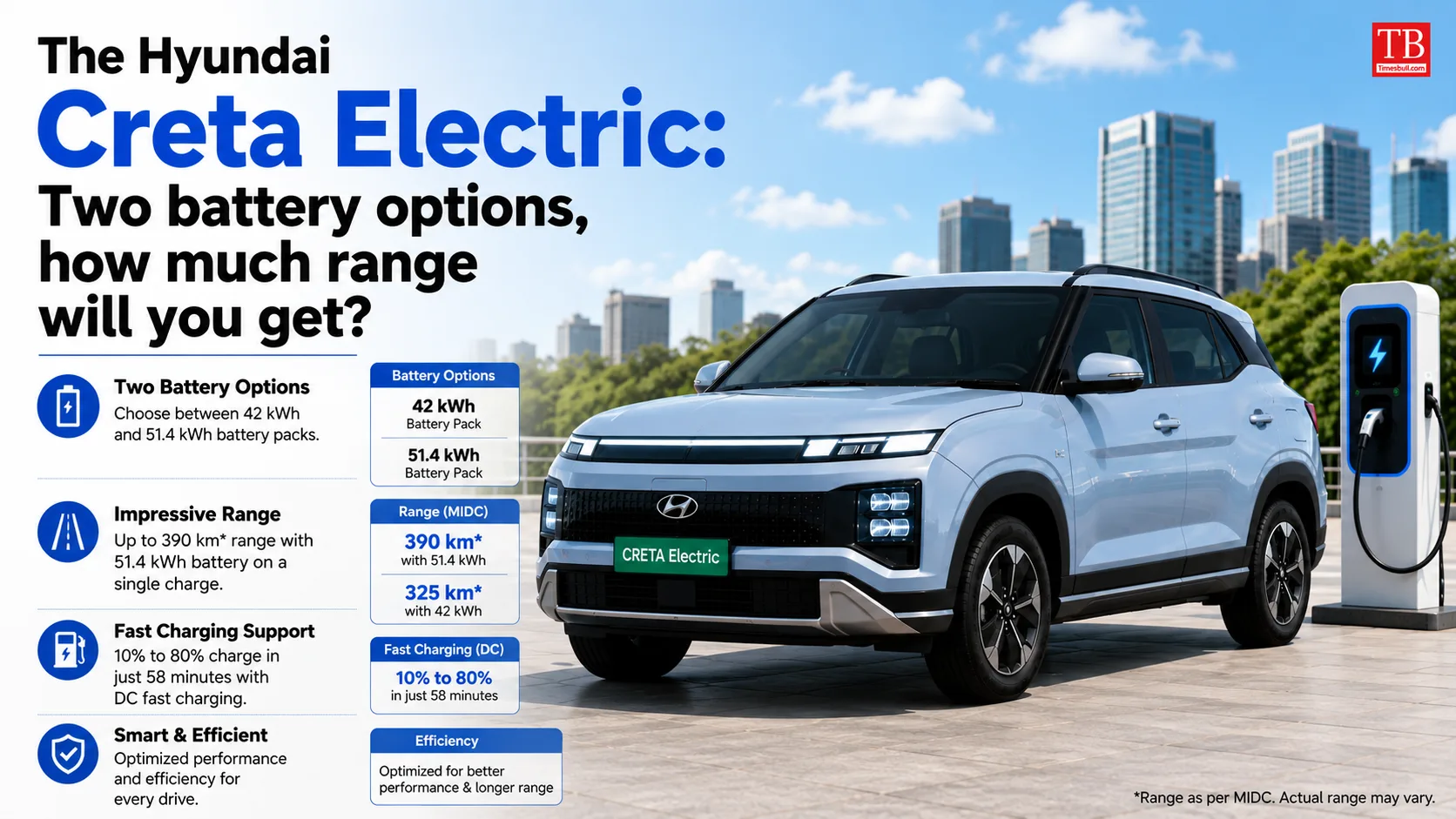
The Hyundai Creta Electric: Two battery options, how much range will you get?
The Hyundai Creta electric gets two battery options, which can be chosen according to their needs and budget. The first option is a smaller 42kWh battery that produces 135bhp of power.
The second and bigger option is a 51.4 kWh battery, which is available in the long-range variant and generates 171bhp of power. According to the company's claim, both these variants have an ARTAI (Automotive Research Association of India) claimed range of 420 km and 510 km, respectively.
These figures look impressive on paper, but how much range you get in real life will depend on driving style, road conditions and weather. Still, the range is good enough for daily use and short trips within the city.
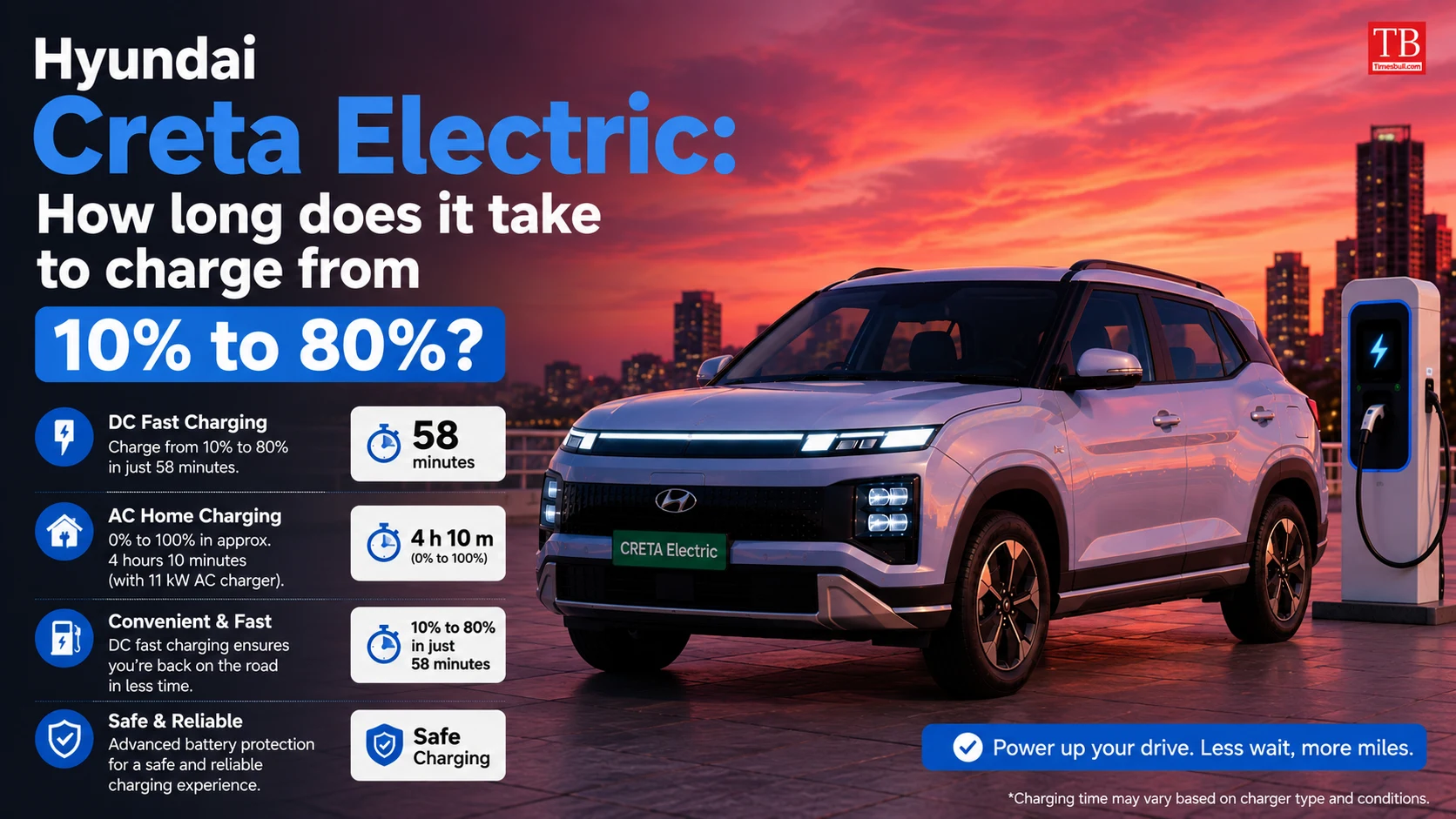
Hyundai Creta Electric: How long does it take to charge from 10% to 80%?
The biggest concern in an electric car is charging and the Hyundai Creta does not disappoint in this regard. The car comes with DC fast charging support. According to the company, it takes about 39 minutes to charge the car from 10 percent to 80 percent.
That is, if you are on a long journey and find a charging station on the way, then in about 40 minutes you can continue your journey. However, AC charging at home can take several hours before the car is fully charged, which is common with any electric car.
The charging cost in the BaaS model will also have to be looked into, as apart from ₹3.99 per kilometre, you will also have to pay the electricity bill.

Hyundai Creta Electric: Who should take this scheme and why?
The Hyundai Creta Electric BaaS scheme is a great option for those who want to get an electric SUV at a lower upfront price and drive fewer kilometres a month.
If you drive 30-40 km daily, the battery charges will be around ₹3,600- ₹4,800 per month, which is much lower than the fuel cost of a petrol car. At the same time, if you walk more kilometers, then it will be more beneficial to buy a car with a battery, because in the long term, the rent of the battery can be more than the price of the car.
Another thing you should keep in mind is that the battery in the BaaS model will remain the property of the company, that is, if there is a fault in the battery, the company will bear the cost of replacing it, which is a big relief.
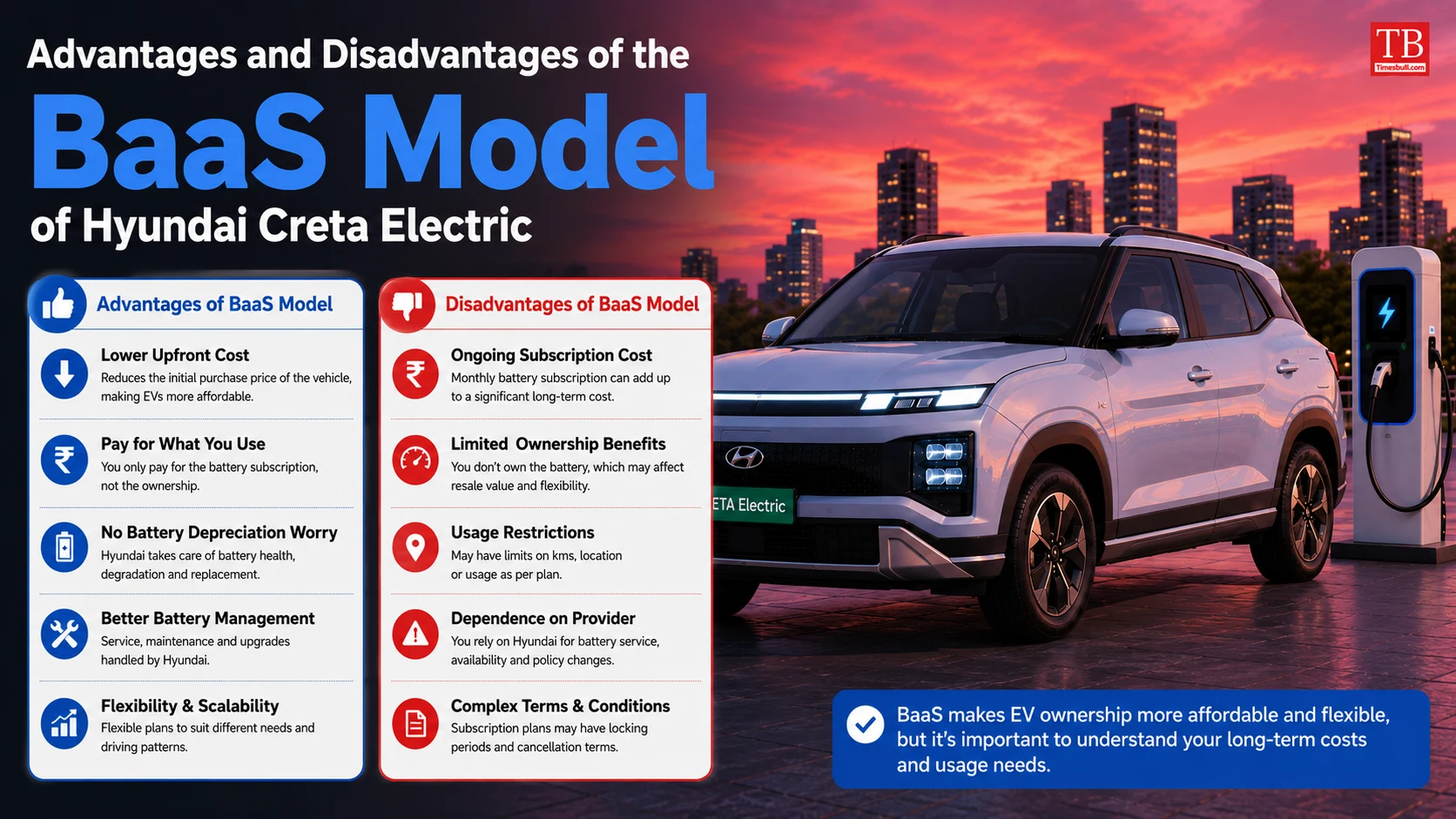
Advantages and disadvantages of the BaaS model of Hyundai Creta Electric
There are pros and cons to any scheme and the same applies to the BaaS model of the Hyundai Creta Electric. Talking about the advantages, the biggest advantage is the low upfront price - getting an electric SUV for ₹10.99 lakh is no less than a dream.
The second advantage is that the tension of the battery does not remain, because it belongs to the company. The third advantage is that you can also upgrade the battery, if the company brings a new and better battery.
Talking about losses, the biggest loss is the charge of ₹3.99 per kilometer, which can be quite heavy in the long term. Another disadvantage is that you have to bear the cost of charging separately. The third disadvantage is that car resale value can be affected, as BaaS models are less preferred in the second-hand market.
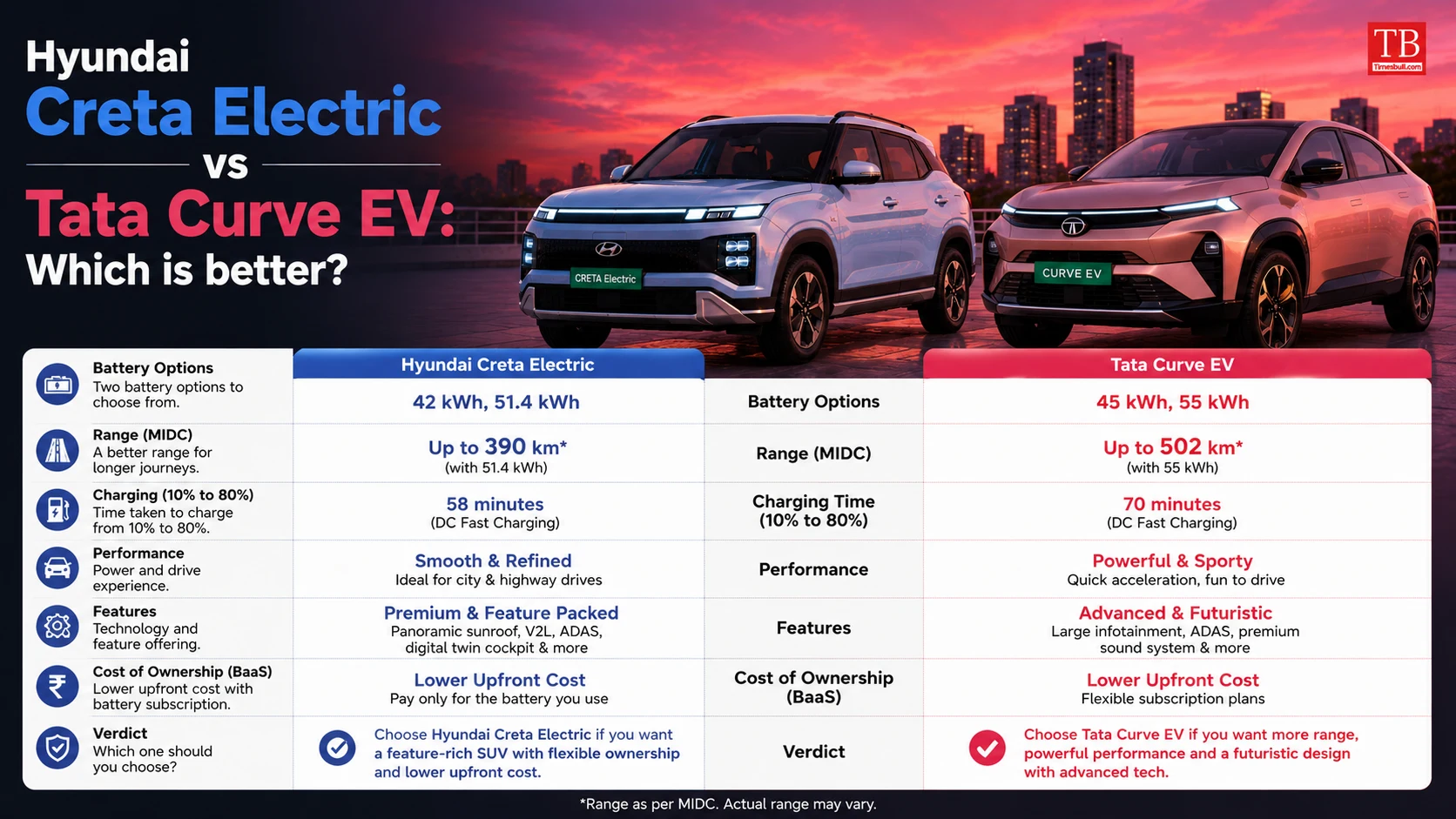
Hyundai Creta Electric vs Tata Curve EV: Which is better?
After starting at ₹10.99 lakh for the BaaS model of the Hyundai Creta Electric, it now looks to compete directly with the Tata Curvvv EV The Tata Curvv EV price starts at ₹17.49 lakh and comes in 45kWh and 55kWh battery options.
Talking about the range, the Curvv EV gives a range of 430 km to 585 km, which is not less than the Creta Electric. However, the Creta Electric in the BaaS model is quite affordable, but the long-term spending has to be seen.
The Tata CurveV EV also comes with a host of premium features and Tata's trust in electric cars has also increased significantly. This contest is going to be quite interesting and it may be difficult for customers to choose between the two.
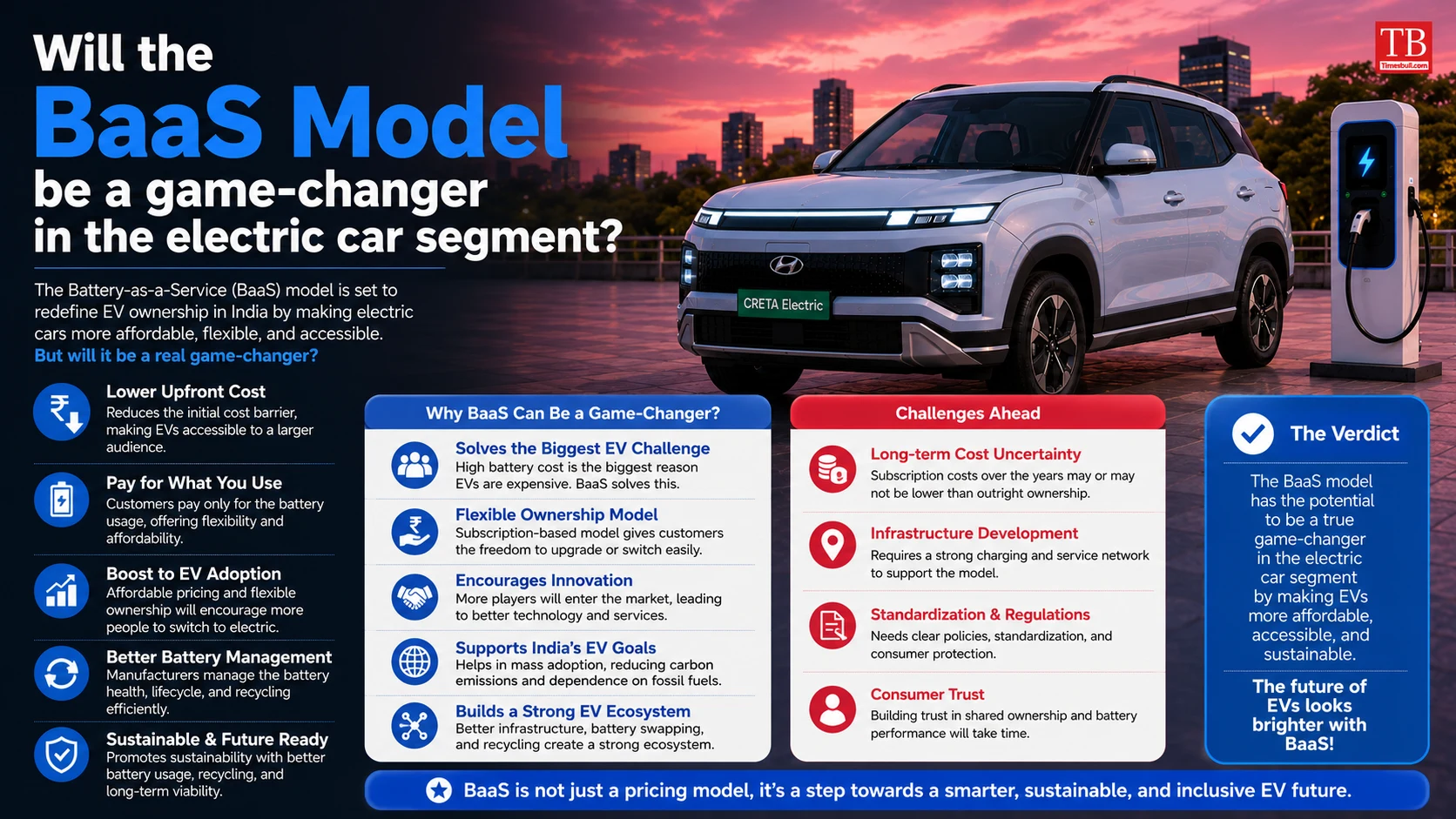
Will the BaaS model be a game-changer in the electric car segment?
The Hyundai Creta Electric's BaaS model could be a new entrant in the Indian electric car market. Just as the trend of charging on EMI in smartphones has increased, the BaaS model can also make cars affordable.
Millions of people who want to buy a new car at a low price can now look at the BaaS model of Creta Electric. However, only time will tell how successful this scheme will be.
There is a lot of curiosity among consumers about this scheme that has come in the market for the first time, but there is also confusion. If other companies also adopt this model and its terms and conditions are transparent, it can definitely help accelerate the adoption of electric vehicles.

Hyundai Creta Electric: Are you going to buy this car?
If you are looking to buy an electric SUV and are on a tight budget, then the Hyundai Creta Electric's BaaS model could be a great option for you. It's not easy to get a premium electric SUV for ₹10.99 lakh.
But if you want to keep the car for a longer period of time and don't want to bother paying the battery rent every month, then the battery variant will be right for you. You should make a decision based on your driving needs, monthly kilometers, and budget.
One thing is certain that Hyundai has given a new blow to the Indian electric car market with the Creta Electric BaaS model and now it remains to be seen how much it takes advantage of it.