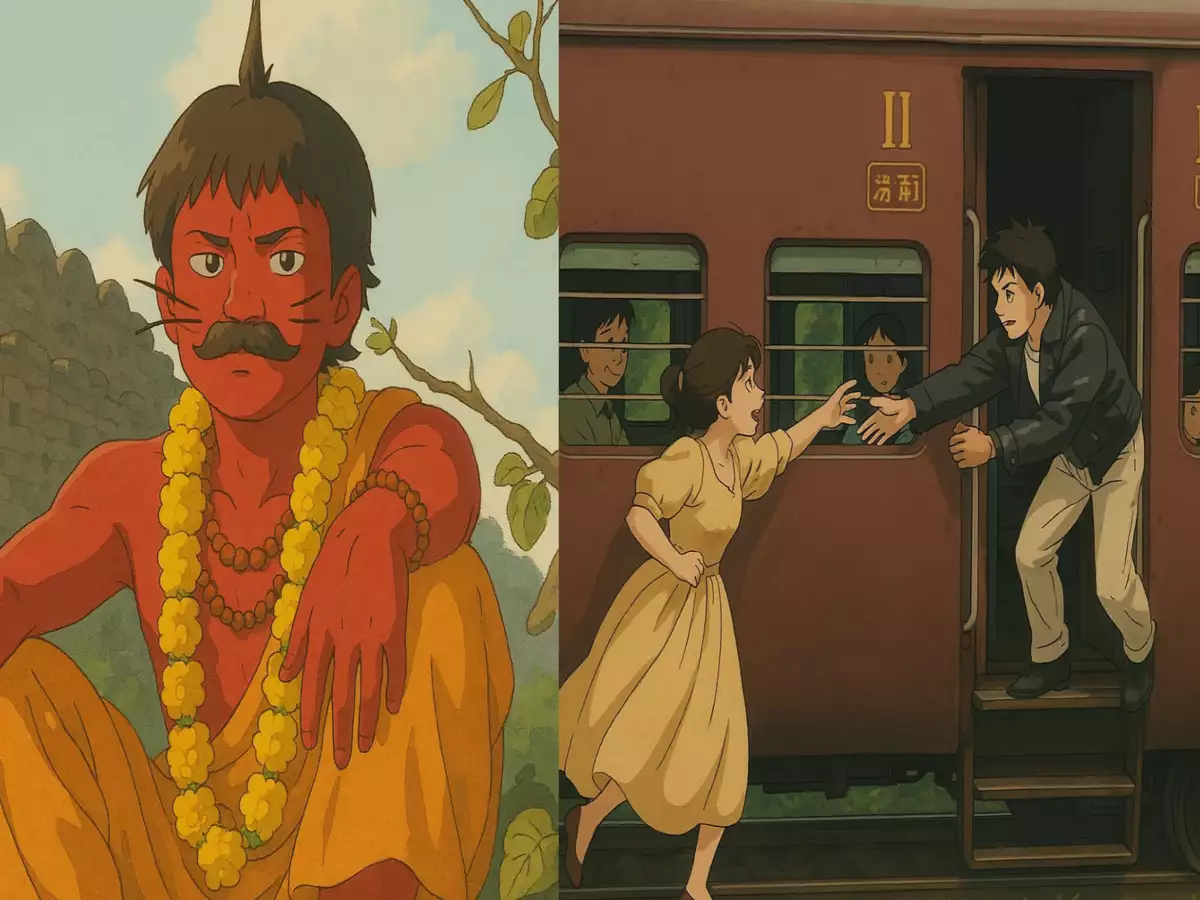
Ghibli Art: AI-generated artwork mimicking the style of Studio Ghibli has sparked a wave of backlash across the internet. While some celebrate the innovation, others see it as an attack on creativity and artistic identity. The controversy has led to heated debates around ethics, copyright, and the future of digital art in a world increasingly influenced by artificial intelligence.
How the AI Ghibli Art Trend Started
The trend began with AI tools producing visuals that closely resemble Studio Ghibli’s iconic animation style—lush landscapes, magical elements, and whimsical characters. These AI-generated pieces quickly went viral, particularly on platforms like Reddit and X (formerly Twitter). The Ghibli-style AI creations impressed many with their visual accuracy, prompting both admiration and concern.
Why Artists Are Upset
A large number of digital artists have criticized this trend. Their primary argument is that AI models are being trained on copyrighted artwork, including those from Studio Ghibli, without consent. Artists argue that these AI tools mimic their hard work and creative identity without offering credit or compensation. For many, it’s not just about legality, but a larger issue of artistic integrity.
What the Legal Experts Say
Legally, the use of copyrighted material in training AI remains a grey area. Current laws around copyright don’t fully address how AI models gather and reuse data. While some jurisdictions are considering stricter regulations, the lack of global standards means that AI-generated art often floats in legal ambiguity. Some experts believe that unless major reforms are introduced, the conflict between creators and AI tools will only intensify.
The Future of AI and Creativity
Despite the criticism, AI art continues to evolve and attract widespread interest. Developers argue that AI democratizes creativity, allowing anyone to produce stunning visuals without professional training. Others believe that AI should be used as a collaborative tool rather than a replacement for human artists. The debate raises a crucial question: how can we balance innovation with respect for artistic ownership?
What Studio Ghibli Fans Are Saying
Studio Ghibli fans are split. Some appreciate seeing their favorite art style in new forms, while purists argue that Ghibli’s emotional depth and storytelling can’t be replicated by machines. The nostalgia associated with Ghibli’s work is deeply personal, making AI imitations feel inauthentic to many. Some fans have even called for clearer guidelines to distinguish genuine Ghibli art from AI-generated content.
Latest News
- Weather Warning Delhi-NCR – Rain Alert & Dust Storm in Next 2-3 Hours, IMD Issues Yellow Alert

- PM Kisan Samman Nidhi Yojana: नहीं मिल रही 2000 रुपये की किस्त तो किसान तुरंत करवा लें यह काम

- Aadhaar Card Update Rules – How Many Times Can You Change Address, DOB & Number?

- Train Ticket: How to book a confirmed train ticket without an agent? Learn the Easy Steps

- Indian Railways– 155 Trains Express Declared High-Speed, Thousands of Railway Staff to Benefit

- Monsoon Alert – Warning Heavy to Very Heavy Rain alert & thunderstorms in 22 States Over Next 4 Days

- America-Iran War: मिडिल ईस्ट में तनाव होगा खत्म! ईरान ने होर्मुज रास्ते पर कही बड़ी बात

- PM Surya Ghar Yojana 2026: Get Up to Rs 78,000 Subsidy within 6 Easy Steps, Know Here

- Cheapest Available 5G Smartphones in India Under 10000

- UPSC Prelims Answer Key 2026 – How to Download UPSC Prelims Answer Key at upsc.gov.in