
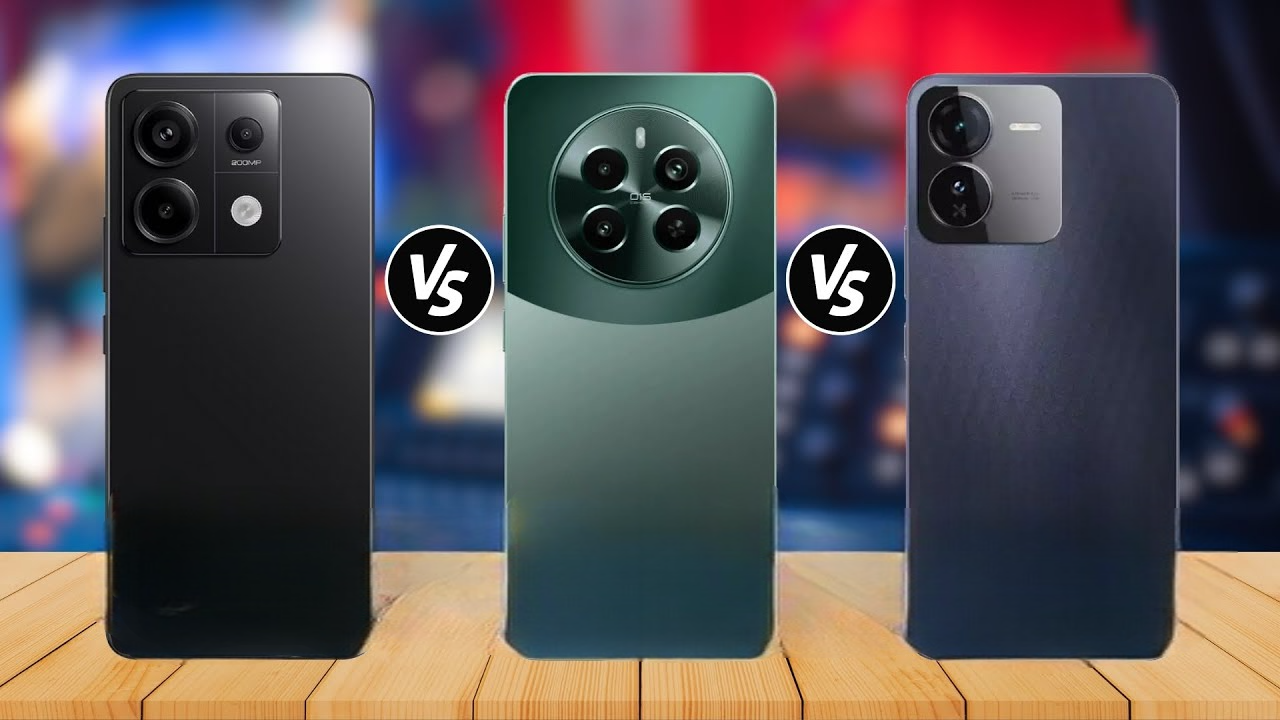
Redmi Note 13 5G vs iQOO Z9 5G vs Realme Narzo 70 5G : No one has had to wait as much as ten years for an affordable 5G smartphone in India. Recently, Redmi Note 13 5G, iQOO Z9 5G, and Realme Narzo 70 5G rushed to entice customers with their performance, aesthetics, and cost. Here is a detailed comparison of the three phones to help you ease the decision.
Design and Display
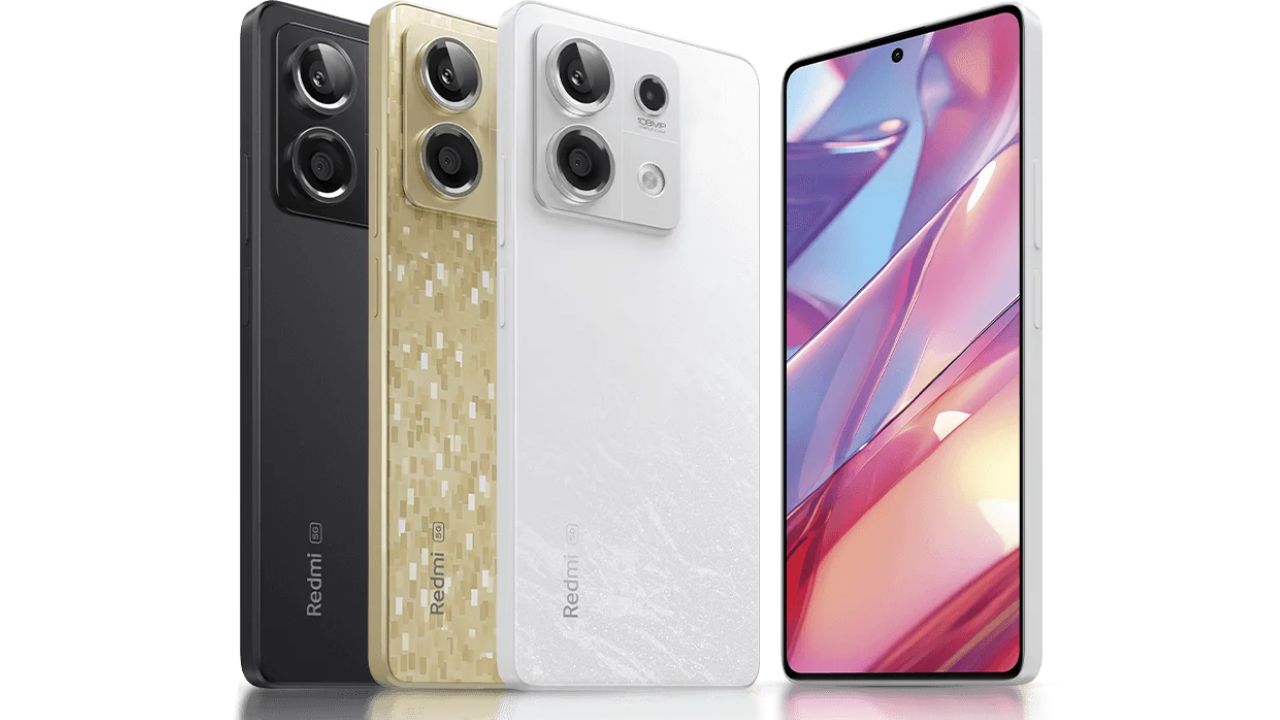
All three smartphones are sleek, modern devices that take weight off your hands with some flat edges; they also come with punch-hole displays. The biggest AMOLED display measuring 6.6inches is Redmi Note 13 5G, has a 120Hz refresh rate, and a brightness rating reaching up to 1,000 nits. Besides similar specifications,
a 6.67-inch AMOLED display with a 120Hz refresh rate, the difference between iQOO Z9 5G and its counterpart is that it claims to be brighter and HDR supported, likely delivering a truly immersive experience for content consumption. Realme Narzo 70 5G comes with an AMOLED display measuring 6.67 inches, a refresh rate of 120Hz, and that concerning brightening levels similar to those of its contenders. All three offer very colourful visuals, although iQOO draws first blood due to its brightness and tuning.
Performance & Software
All iQOO Z9 5G devices feature MediaTek Dimensity 7200 processors that are known to outperform both Dimensity 6100+ found in the Redmi Note 13 5G and Dimensity 7050 in Realme Narzo 70 5G. Thus, in all probability, iQOO makes quite a worthwhile choice for gaming and multitasking purposes. The latest custom skins based on Android 14-Funtouch OS from iQOO-Realme UI in Realme, and MIUI in Redmi. All three run smoothly, although Realme UI and MIUI are filled with many pre-installed apps, while iQOO keeps a cleaner interface.
Camera Ability
The dual camera set-up in the iQOO Z9 5G comprises a main camera of 50 MP and a depth sensor of 2 MP. The primary camera of the Redmi Note 13 is 50 MP with a 2 MP depth sensor, while the Realme Narzo 70 5G adopts the same arrangement. They are all good at taking pictures in daylight, but it seems that the iQOO excels beyond that, especially in low-light performance and consistent colour accuracy. Selfies, on the front side, are being captured by a 16MP shooter for all three, and the output was quite similar.

Battery and Charging
All three smartphones come with a 5,000mAh battery that can last the maximum extent of all-day activity. Only a little difference exists in recharging speed among them. Of the three, the Realme Narzo 70 5G is the fastest, charging comfortably at 45W. The iQOO Z9 5G follows at 44W, while the Redmi Note 13 serves with a much lower 33W. None of the phones is slow to charge, and even more so for Realme, just a notch better.
Connectivity and Other Attributes
All three phones support 5G connectivity and are equipped with stereo speakers and USB Type-C ports. All three phones have side-mounted fingerprint sensors and a 3.5mm audio jack. Realme and iQOO may give better haptic feedback and quality sound; yet, the Redmi carries a microSD card slot, which the iQOO Z9 lacks. All would be IP54 or thereabouts, so promising some fundamental resistance against splashes and dirt.
Pricing and Worth
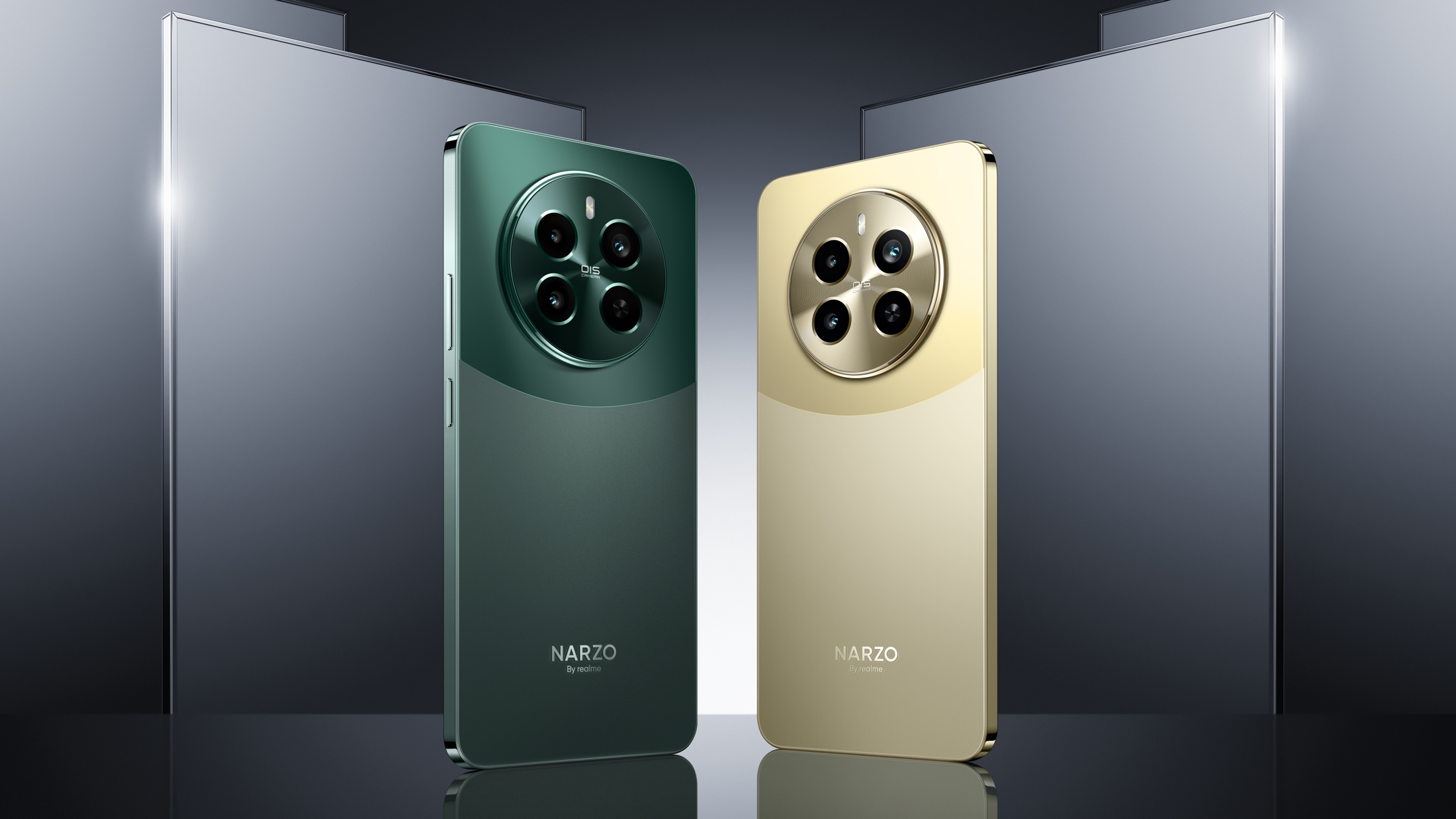
The Redmi Note 13 5G is available at a starting price of 13,999 INR, making it the most affordable among all three. Realme Narzo 70 5G starts from around 14,499 INR; the iQOO Z9 5G, being the costliest of all, is priced at somewhat more than 14,999 INR. The Redmi is a very decent option for the budget user, with real charging and performance, giving the price deservedly to the Realme Narzo 70 and iQOO Z9.
The deed is done in budget terms; it is an unassuming phone with fair display sound. For superior performing purposes from gaming to having camera quality, the iQOO Z9 5G is exceedingly distinguished. Fast charging and superior display quality are only two advantages that can be found against each other in those categories when maximum value for their money stands. This is where your deciding choice would be made, power, price, or overall balance.
Latest News
- Cheapest Available 5G Smartphones in India Under 10000

- UPSC Prelims Answer Key 2026 – How to Download UPSC Prelims Answer Key at upsc.gov.in

- 8th Pay Commission: एनपीएस और पुरानी पेंशन में कौन सी बेहतर, जानिए बड़ा अपडेट

- Xiaomi 17T Launching With Leica 5x Zoom and Huge 6,500mAh Battery Under ₹60,000

- NEET UG 2026 – Haryana & Bihar Announce Free Bus Service for Candidates on June 20-21

- PM Kisan 23rd Installment: Farmers to get Rs 2000 in June? Know Here

- Best Premium Smartwatches Under ₹10,000: Upgrade to Luxury Metallic Builds, AMOLED Screens, and In-Built GPS

- Maruti Dzire CNG Continues Dominance – Fuel Efficient Sedan Wins Indian Families

- Vivo Y600 Turbo Set to Debut: Featuring a 165Hz Display, Dimensity 8500, and a Massive 9,020mAh Battery

- HMD Vibe 2 5G Debuts in India with 6000mAh Battery & 50MP Camera: Get It For Just ₹9,499 With Launch Offers