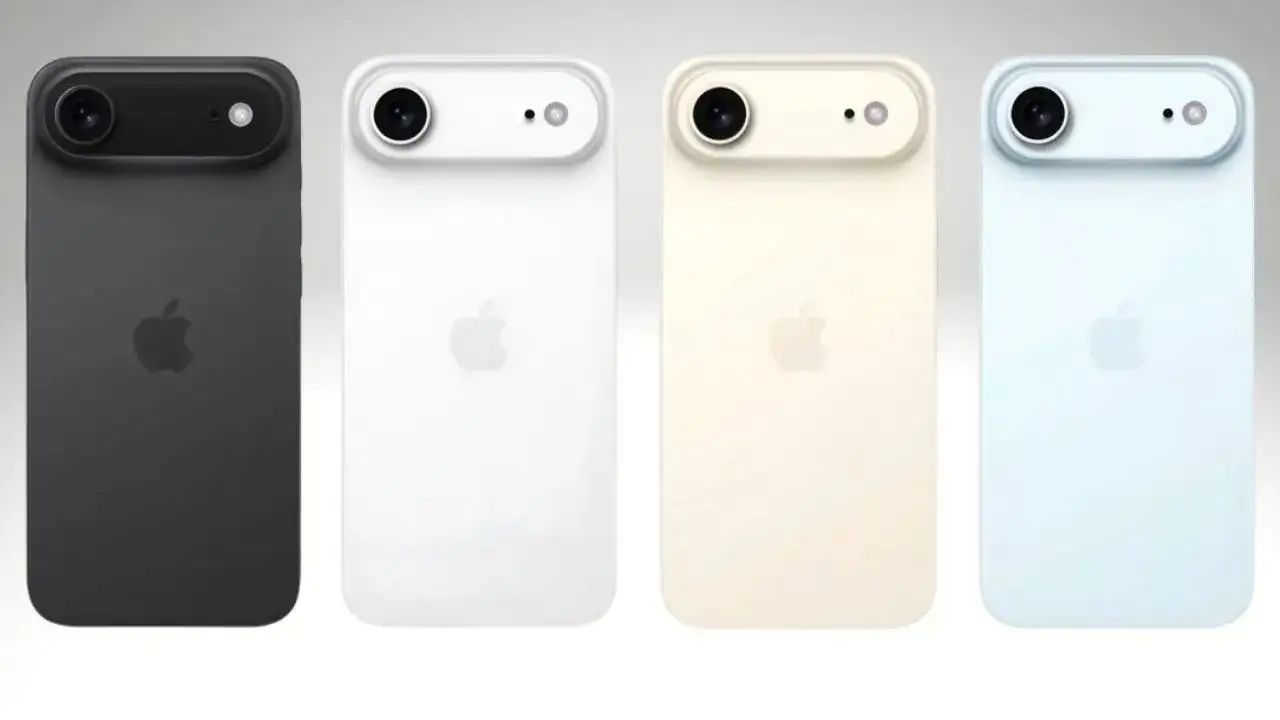
iPhone 17 Air Design: As the iPhone 17 series is getting set for its official launch, new leaks are showing a dramatic design overhaul in Apple’s future lineup. And among them, the iPhone 17 Air is the most heavily anticipated model, hyped to be Apple’s thinnest iPhone ever. According to MacRumors, analyst Jeff Pu asserts that the iPhone 17 Air will come with a high-end titanium chassis, a drastic departure from Apple’s traditional material play.
Read More: iPhone 16 Pro vs iPhone 15 Pro: What’s New in 2025?
Read More: Samsung Galaxy S25 vs Samsung Galaxy S24: Worth the Upgrade?
Titanium Arrives at iPhone 17 Air Only
Interestingly, Pu points out that although the iPhone 17 Air will be going for titanium, the iPhone 17, 17 Pro, and 17 Pro Max could revert to aluminium constructions. This would be a big turnaround from Apple’s recent design path, in which Pro models such as the iPhone 15 Pro and 16 Pro received sole access to titanium for its added strength and lower weight. This time around, however, the Air model could claim that premium advantage instead.
Thinnest iPhone Yet: Design Innovation
The iPhone 17 Air is reported to have a staggering 5.5mm thickness, which not only makes it Apple’s thinnest phone but perhaps the thinnest mass-market smartphone available. To put this in context, even Samsung’s slim Galaxy S25 Edge is 5.8mm thick, and the original iPhone 6 was 6.9mm. If this is accurate, the 17 Air may set a standard for super-thin top-end smartphones.
Beauty vs Utility: Fears Over Battery and Durability
With mind-boggling slenderness comes worry. Though titanium might bring strength, its heft might counteract the desired lightness of the “Air” label. More significantly, a thinner body will leave less room for internal components, such as the battery. Rumors are of a 3,000–4,000mAh battery, which might not be enough to satisfy contemporary power requirements, particularly with a high-refresh-rate display or AI features.
Reversing Roles: Air Receives Premium Treatment
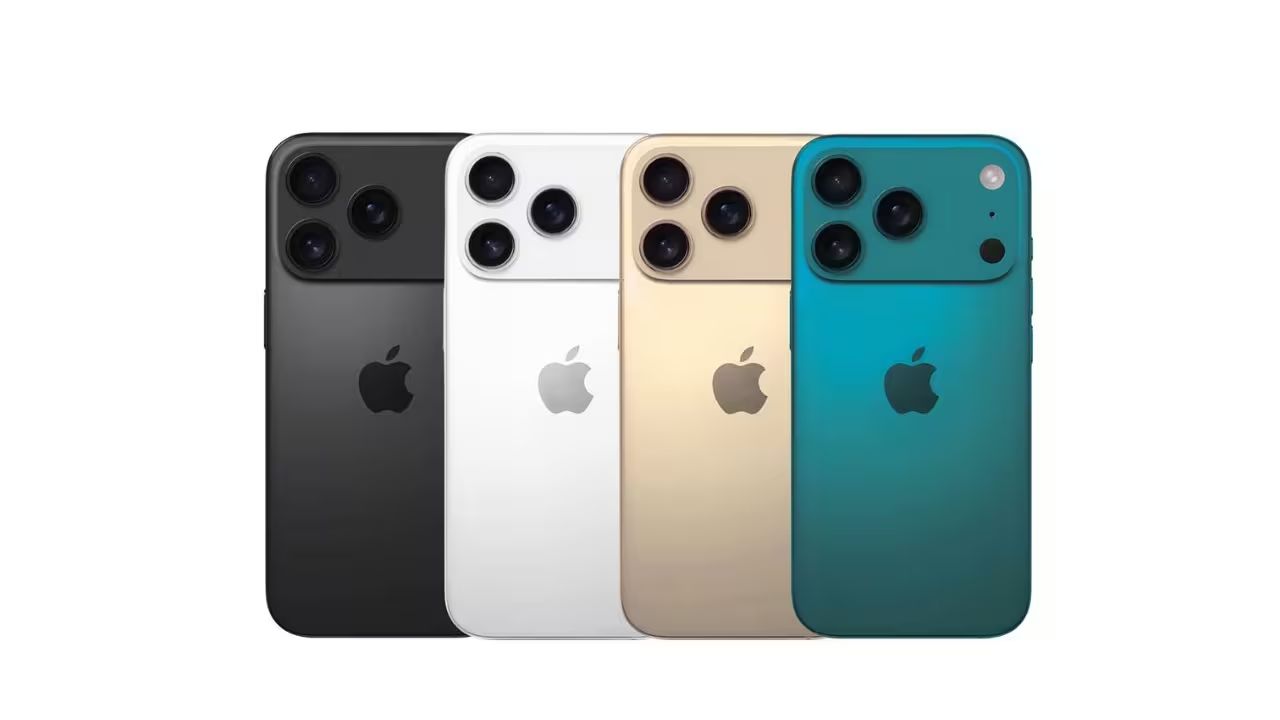
What’s most intriguing is how Apple’s hierarchy is changing. Usually, Pro models are the pinnacle of design and performance, but if the 17 Air receives titanium, whereas Pro models revert to aluminium, Apple may be remaking the Air model as its new design flagship. The Air may displace the Plus model and serve users who want portability and looks over raw performance.
Launch Timeline and Expected Specs
In terms of size, the iPhone 17 Air could measure around 163mm in height and 77.6mm in width. It’s expected to run on Apple’s upcoming A19 chipset, the same one expected in the vanilla iPhone 17. There are also murmurs that Apple could revive the Smart Battery Case to offset the smaller battery, which might be necessary given its ultra-slim profile.
Final Thoughts
As Apple’s September event approaches, anticipation for the iPhone 17 Air remains afoot. The move to titanium, super-slim body, and premium emphasis points to a brash new direction for Apple. If that brashness translates to actual-world practicality, particularly in battery life, remains to be seen, but one thing is certain: the iPhone 17 Air is poised to become Apple’s most brazen design gambit in years.
Latest News
- Train Ticket: How to book a confirmed train ticket without an agent? Learn the Easy Steps

- Indian Railways– 155 Trains Express Declared High-Speed, Thousands of Railway Staff to Benefit

- Monsoon Alert – Warning Heavy to Very Heavy Rain alert & thunderstorms in 22 States Over Next 4 Days

- America-Iran War: मिडिल ईस्ट में तनाव होगा खत्म! ईरान ने होर्मुज रास्ते पर कही बड़ी बात

- PM Surya Ghar Yojana 2026: Get Up to Rs 78,000 Subsidy within 6 Easy Steps, Know Here

- Cheapest Available 5G Smartphones in India Under 10000

- UPSC Prelims Answer Key 2026 – How to Download UPSC Prelims Answer Key at upsc.gov.in

- 8th Pay Commission: एनपीएस और पुरानी पेंशन में कौन सी बेहतर, जानिए बड़ा अपडेट

- Xiaomi 17T Launching With Leica 5x Zoom and Huge 6,500mAh Battery Under ₹60,000

- NEET UG 2026 – Haryana & Bihar Announce Free Bus Service for Candidates on June 20-21