

Geyser vs Heating Rod: Geysers and heating rods are two ways to get hot water in the winter. Heating rods are not as expensive, but there is a chance that you could get shocked by electricity. Although they cost a little more, geysers are safer and use less energy. With features like auto-cutoff, geysers may end up being more cost-effective over time.
Every home feels the need for hot water as winter draws near. When choosing between buying a geyser or a heating rod, people frequently become perplexed. Although both are used to heat water, the expenses and levels of safety differ greatly. So, let us take a closer look at both today if you have thoughts about buying a geyser or a heating rod and want to know which will be better and more cost-effective for you.
Heating Rods
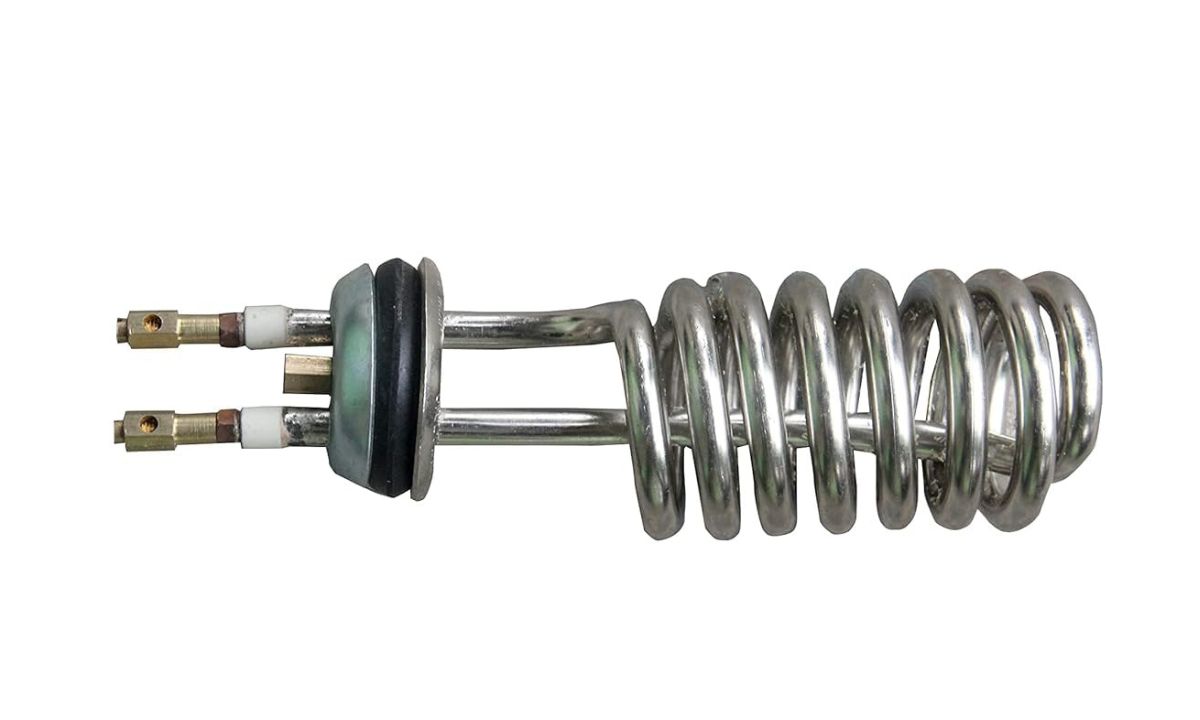
Let us start by discussing heating rods. Due to their low cost, these are regarded as a cost-effective choice. A decent heating rod can be purchased for ₹400 to ₹600. It immerses water in a bucket to heat it. An electrical usage of roughly 0.75 units is incurred by a 1.5 kW rod used for 30 minutes.
A monthly bill for merely heating water would be roughly ₹225 to ₹240 if the electricity rate in your area is ₹10 per unit. This means that it will cost you about ₹7 to ₹8 every day. However, in terms of safety, this is a little dangerous. Since the rod is kept submerged in water and is directly connected to the power source, even the smallest
Geysers
In contrast, a geyser may end up being more cost-effective and secure over time, although initially costing a little more than a heating rod. A decent three-liter instant geyser with a power rating of about 3 kW will cost between ₹2,000 and ₹4,000.
Your monthly electricity cost for hot water will only be about ₹150 because it uses only 0.5 units of electricity every use. Also, geysers have capabilities like auto-cut, which, when the water is heated, immediately cuts the electricity. By doing this, less electricity is wasted and overheating is avoided.
Which is safer and more cost-effective?
In general, a geyser will end up being more economical in the long run, even though a heating rod might look less expensive at first. Electricity consumption is reduced via geysers and features like auto-cut. Heating rods, on the other hand, keep using electricity until they are manually shut off.
In terms of safety, geysers are also thought to be safer. Although there is extremely little chance of receiving an electric shock from a geyser, contact with water or even a small flaw in a heating rod can result in an electric shock.