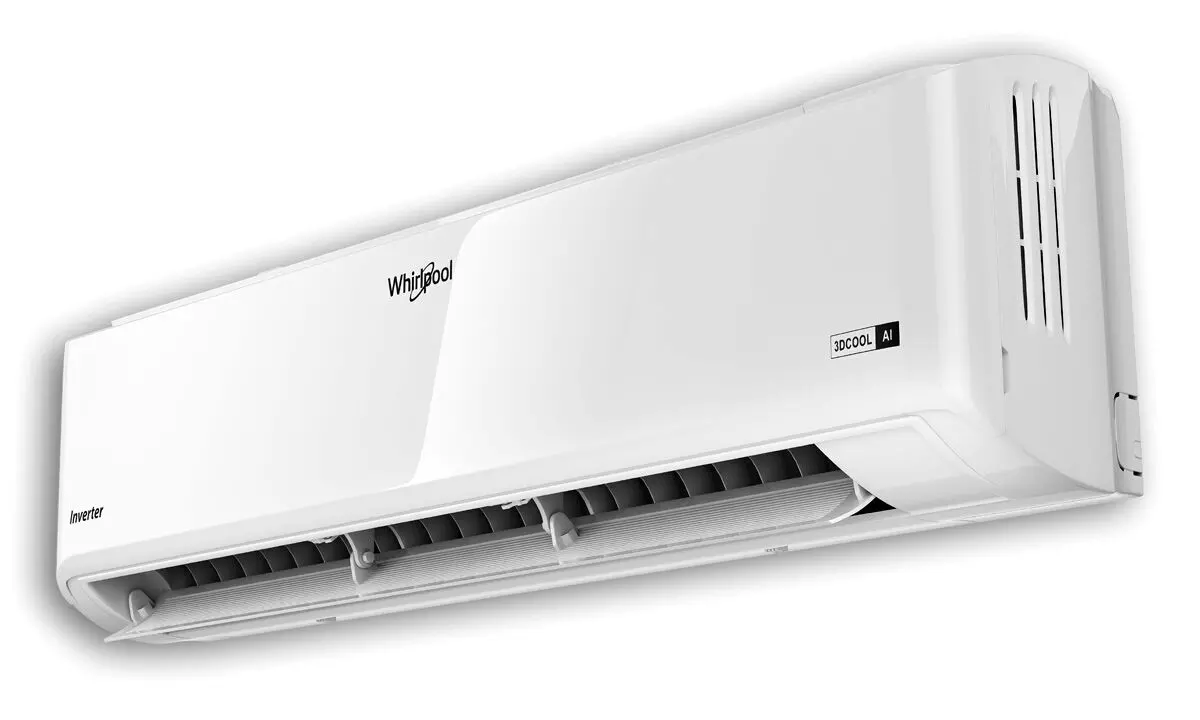
AC Maintenance Tips: While the temperature increases around the nation, air conditioners are turning out to be the preferred choice for comfort. But to ensure that they continue working effectively, frequent maintenance is very important. A common error users make is that they tend to forget to clean the AC filter at the right time. The simple process, if neglected, can significantly cut down cooling effectiveness and raise power bills.
When to Clean the AC Filter
AC filters must be cleaned ideally after every 10 to 15 days of heavy use. When run continuously over summer, dust, dirt, and pollen particles clog in the filter. Not only does this stop airflow, but it also causes additional load on the machine, decreasing its efficiency. Cleaning the filter periodically keeps the AC running consistently and in proper condition.
Effects of Not Cleaning the Filter
A clogged filter diminishes the cooling capacity of your AC. You might get the impression that the air isn’t cold enough despite setting the temperature low. In this instance, users tend to raise the cooling level, which adds strain on the compressor. This leads to increased power consumption and electric bills. Moreover, it might cause long-term damage to the unit and higher repair expenses.
Cleaning the Filter is Easy
You don’t need a technician to clean the AC filter. It can be done at home in a few simple steps. First, turn off the power. Then, open the front panel of your AC and gently remove the filter. Wash it with plain water and let it dry completely before reattaching. Avoid using harsh chemicals, and ensure no water remains before switching on the machine again.
Replace the Filter When Necessary
Although cleaning is necessary, filters also have to be replaced after some time. Depending on the brand and usage, filters might need to be changed every 3 to 6 months. If you experience strange odors, inadequate cooling, or constant dust accumulation even after cleaning, it’s a sign that the filter needs to be replaced.
Keep Your Room Dust-Free
Dust and pollution within the room also influence AC performance. Attempt to keep the windows and doors closed when the AC is turned on. Block sunlight and limit heat within the room by using curtains. A clean room prevents the filter from getting damaged in advance for a longer period.
Use Timers and Eco Mode
To prevent excessive usage, utilize in-built features such as timers or eco mode. They avoid unnecessary running time, restrict power usage, and let your AC take a break. Such intelligent settings also prevent the degradation of filters and other parts.
Latest News
- HMD Vibe 2 5G Debuts in India with 6000mAh Battery & 50MP Camera: Get It For Just ₹9,499 With Launch Offers

- 8th Pay Commission लागू होते ही कितना हो जाएगा फिटमेंट फैक्टर, चेक करें अपडेट

- Oppo Find X9 Ultra Launched in India: Check Reliance Digital Price, Bank Offers, and Flagship Specs

- Electricity Bill Saving– How to Save Power During Summer Heat? Here Are the Few Tips

- Gold-Silver Rate – Gold ₹44,396 per 10 grams & Silver ₹1,85,462 per kg cheaper from the Peak

- US Green Card Rule Change, Know Before Apply

- PM Surya Ghar Scheme: खूब चलाएं एसी और कूलर, नहीं देना होगा बिल, जल्द कराएं यह काम

- ITR Filing Before May 31? You May Get Notice

- Women Free Bus Travel Scheme – How to Get Free Bus Travel From June 1, 2026? How to Apply

- LSG Vs PBKS Video: ऋषभ पंत पर भड़के अर्जुन तेंदुलकर! वीडियो देखकर आप भी रह जाएंगे हैरान