


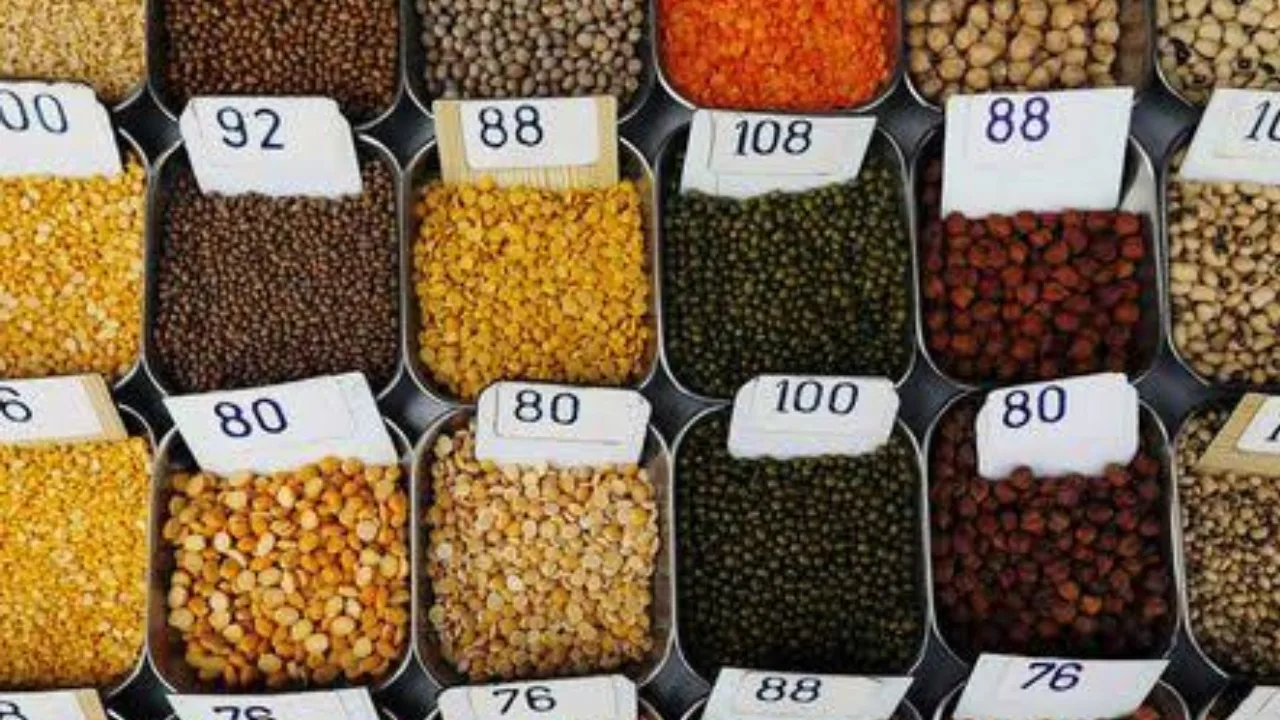
Dal Price: Good news for dal lovers. it is anticipated that pulse prices will decrease in the near future. Despite the festive period having ended, retail prices of pulses have not yet fallen, prompting government intervention. Authorities have adopted stringent measures to stop hoarding and the manipulation of supply. To tighten oversight, the Ministry of Consumer Affairs has imposed a requirement on traders, millers, and retailers to submit weekly reports detailing pulse stock levels at their outlets and storage facilities.
Weekly stock disclosures must now be provided by all those involved in the pulse supply chain—including traders, dealers, stockists, importers, millers, wholesalers, and retailers—through the department’s online portal. This directive aims to enhance transparency in the market and deter artificial scarcities.
Heightened vigilance after festive price increases
On Friday, Nidhi Khare, Secretary of the Consumer Affairs Department, convened individual meetings with major chain retailers, importers, millers, and traders to assess the current supply chain. She conveyed to traders that post-festival price increases for pulses cannot be justified. The administration is keeping a close watch on market developments to combat profiteering and hoarding.
Concerns have been raised by the Ministry over the fact that, although market prices for pulses have declined, consumers are not fully benefitting. Benefits of these lower prices are not consistently being reflected at the retail level by millers, dealers, and shopkeepers. Traders have been called upon by the government to ensure that these savings are passed on. A favourable harvest of urad and other pulses during the Kharif 2026 season, combined with greater Rabi cultivation and steady imports, has maintained robust supply, which should help push prices down.
The government is also maintaining strict oversight of rice and sugar supplies
Efforts to manage not only pulse prices, but those of other staple foods, have been intensified. From 6 November 2026, all traders, millers, and major retail chains nationwide are obliged to declare every Friday the stock levels of basmati, non-basmati, broken rice, and paddy. In addition, Andhra Pradesh, Karnataka, Kerala, Tamil Nadu, and Telangana have received authorisation to enforce stock limits on rice and paddy until 31 January 2027.