


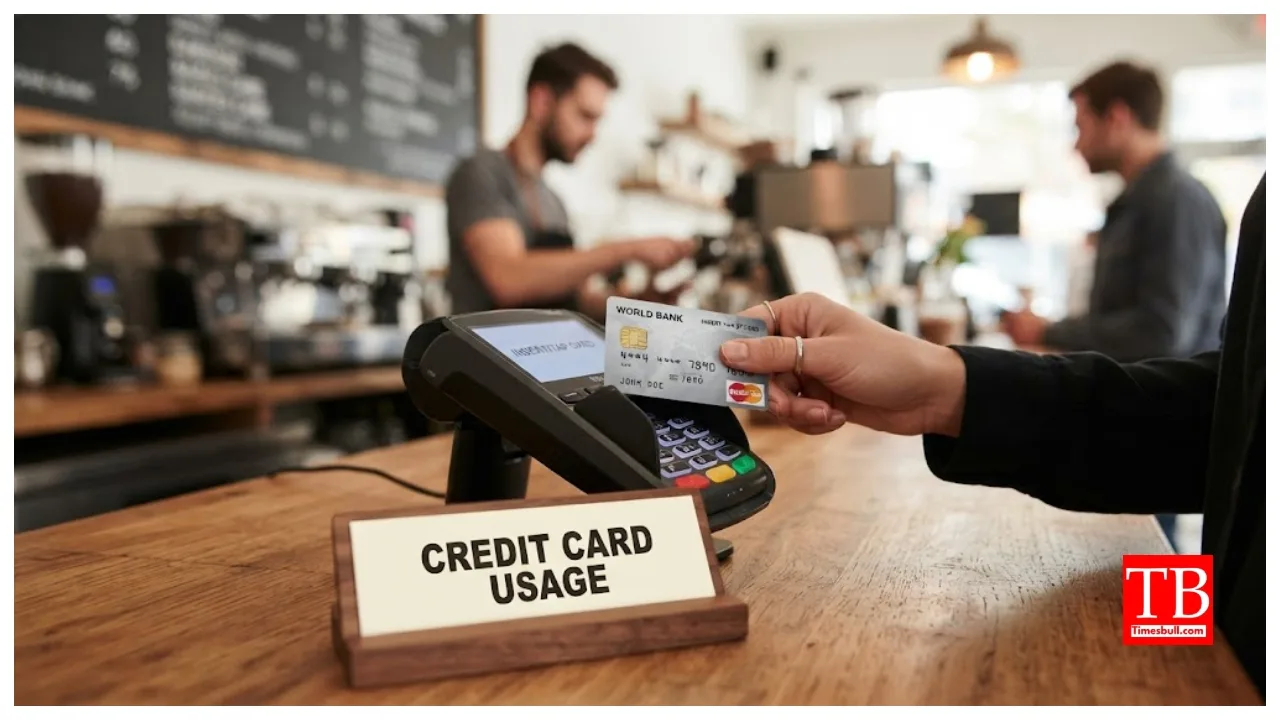
Credit Card Usage Tips: In today’s digital age, credit cards have become an integral part of our lifestyle. When used correctly, they help earn excellent reward points and cashback while building a strong CIBIL score. However, improper use can lead to a significant financial burden; credit card fees can trap you in debt. Let us look at some key points regarding financial safety.
Withdrawing cash from an ATM using a credit card
Using a credit card to withdraw cash from an ATM can be a major mistake. Banks charge a cash advance fee ranging from 2.5% to 3% for such transactions. Furthermore, there is no interest-free credit period; interest—ranging from 16% to 42%—begins accruing the moment you withdraw the cash.
Loading money into digital wallets
Transferring funds from a credit card to wallets like Paytm, PhonePe, Google Pay, or Amazon Pay now attracts higher bank charges and GST. Doing this repeatedly leads to unnecessary extra charges, which can negatively impact your financial health.
Booking train tickets via IRCTC using a credit card
When booking train tickets on IRCTC using a credit card, you are required to pay a payment gateway charge of 1% to 2%, plus applicable taxes. You can avoid these extra charges by using UPI or net banking instead of a credit card for payments on the IRCTC website or app.
Refuelling at petrol pumps
When you pay for fuel using a credit card, banks charge a fuel surcharge along with GST. While some cards offer a surcharge waiver, processing fees can still be a heavy burden. Additionally, card skimming remains a persistent risk at petrol pumps.
Is it advisable to transfer a credit card balance to another card?
It might seem easy to transfer the outstanding balance of one credit card to another, but banks charge hefty processing fees. Consequently, instead of decreasing, your outstanding debt actually increases. Furthermore, if you are already servicing a personal loan, home loan, or existing EMIs, avoid making purchases using a credit card. Spend within your means; otherwise, you could get caught in a debt trap.