


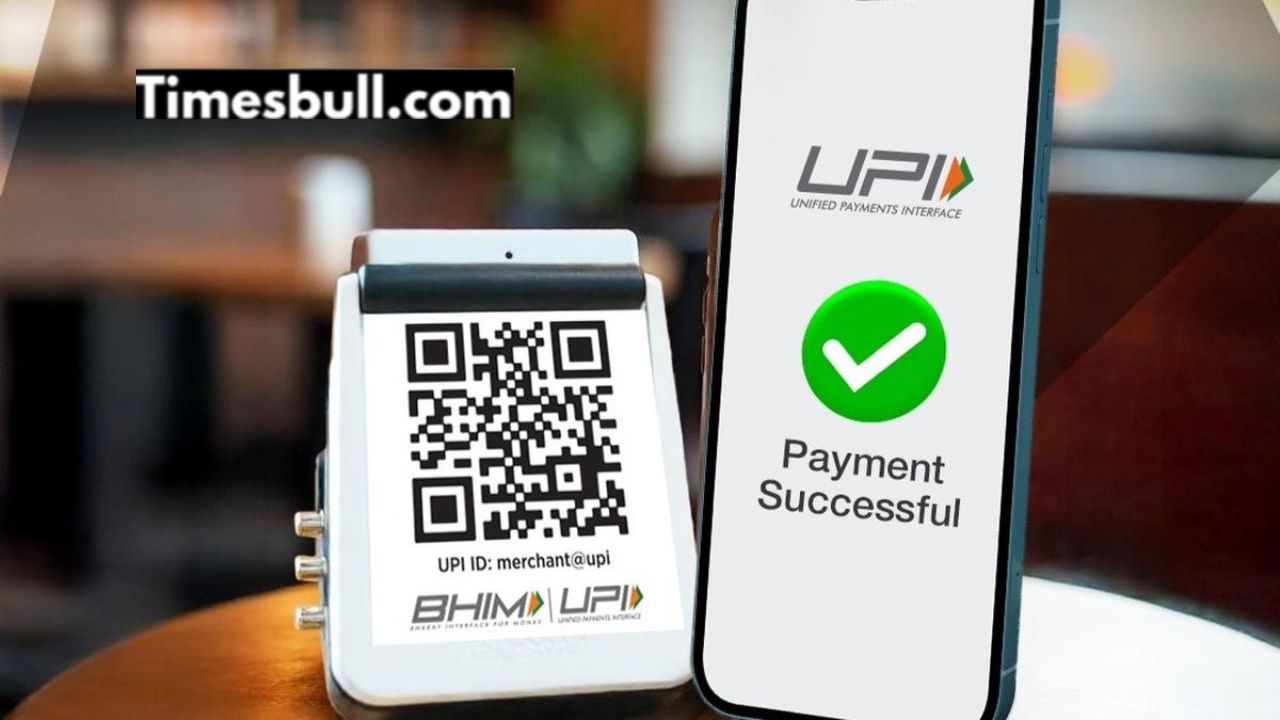
Online transaction system has change the scenario of payment system in our country. With UPI payment services, sending or receiving money has became very fast and smooth. But, with the development of technology, incidents of fraudulent also made headlines in the recent past. So the authority sometimes take strict steps to secure money transactions. Recently, there are some changes in rules.
The National Payments Corporation of India (NPCI) has decided to discontinue UPI’s person-to-person (P2P) collect request service. From this month (October), you won’t be able to send money requests directly to friends, relatives, or anyone else on PhonePe, GPay, or any other UPI app.
What are the changes and how can they effect?
Suppose you need 1,000 rupees from your friend. Until now, you’d enter their UPI ID on the app and send a request. They’d accept, enter their PIN, and the money would be credited to your account. But now this feature is being discontinued for the general public.NPCIThe Bank of India (CBI) has clearly stated to banks and payment apps that this feature will be removed from service by October 1st. The aim is to make online payments more secure. In fact, some fraudsters were exploiting this feature to defraud people.
However, this feature will remain available to merchants. Meaning, if you book a ticket through IRCTC, shop on Flipkart or Amazon, or subscribe to Netflix, these merchants will be able to send you payment requests. However, you won’t be able to send a request to share a restaurant bill with a friend. NPCI has previously taken security measures, such as limiting the limit for collect requests to ₹2,000. Now, the decision has been made to completely discontinue this.
What is the aim to change the rules?
Its purpose was to simplify transactions, such as reminding friends of the money they borrowed, or speeding up online shopping payments. However, fraudsters began to misuse it, sending fake requests and defrauding people. Therefore, the NPCI took action.
This change may make everyday transactions a little more difficult. For example, if you split a dinner bill with friends, you’ll now have to ask them to pay in person instead of sending a request. However, the good news is that this will reduce fraud. If you use UPI, be cautious. Always check who the payment is going to to avoid fraudulent requests. Overall, this move by NPCI is aimed at keeping your money safe.