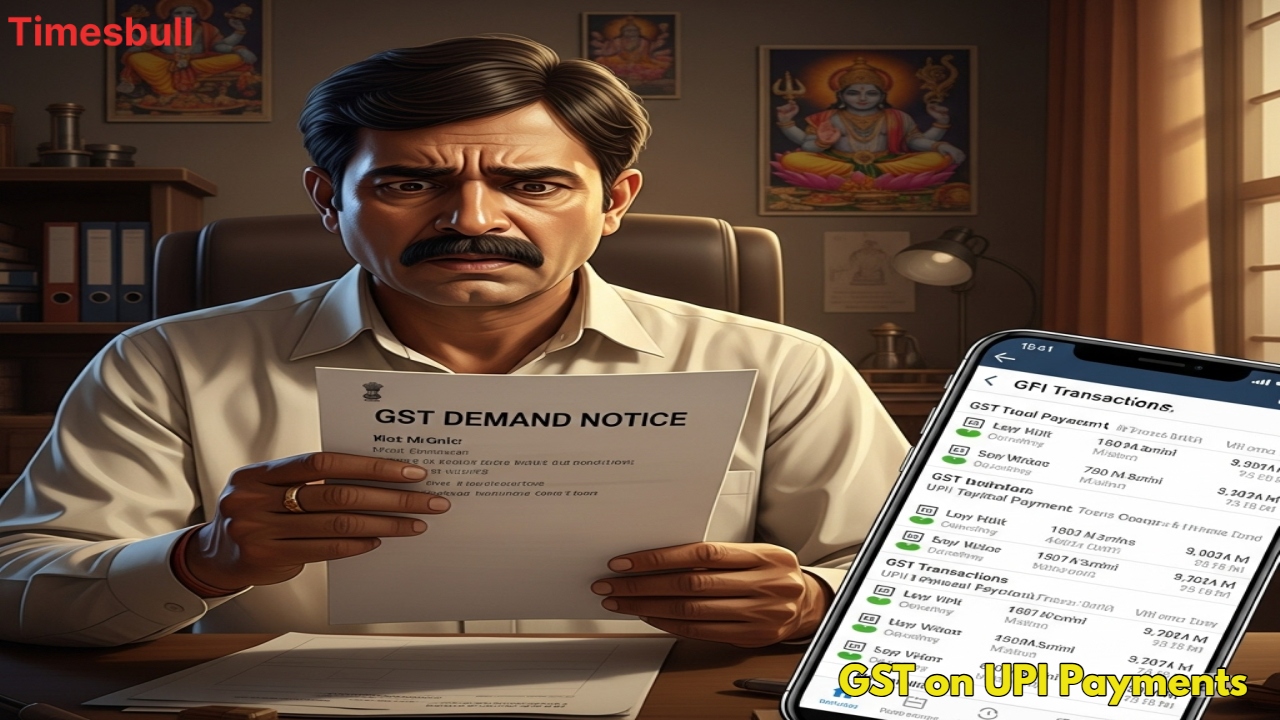
If you are also a trader and transact through UPI, then this news is very important for you. Recently, traders of Karnataka have expressed deep concern about 6000 GST Demand Notices sent on the basis of UPI (Unified Payments Interface) transactions. However, a senior tax official has described this move as completely within the ambit of law. Traders’ organizations have also called for a strike in protest against the issuance of notices demanding GST payment on the basis of UPI transactions.
Joint Commissioner of the Commercial Tax Department Meera Suresh Pandit said that these notices sent to traders are not final tax demands, and traders receiving notices have the full right to respond to them with supporting documents. He also said that if the answers are found satisfactory or they are entitled to exemption under the GST Act, then these notices will be withdrawn.
Traders are preparing for a strike
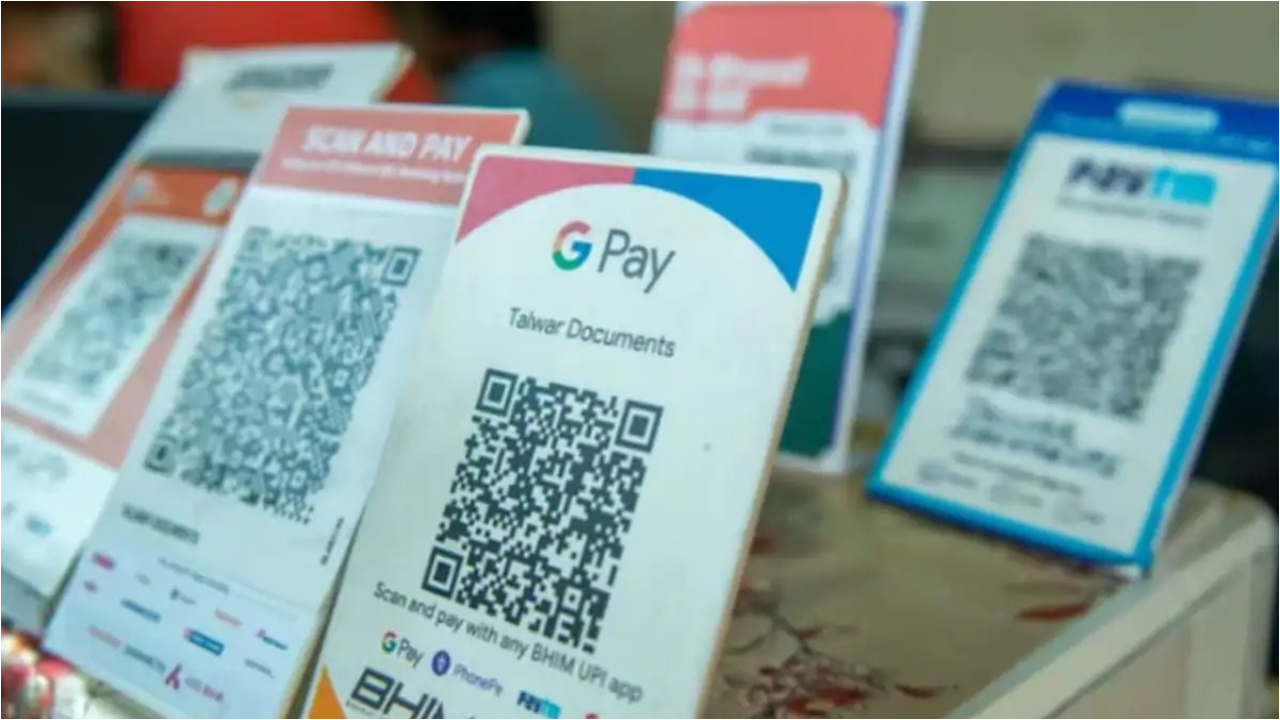
On the issue of notices sent to traders on the basis of UPI transactions, many traders’ associations of Karnataka have called upon their members to boycott UPI transactions. They have also called for a strike on 25 July 2025 in protest against this notice. On the proposed strike and the call for cash-only transactions, a senior tax official gave important information.
The official said that when a person crosses the annual transaction limit of ₹ 20 lakh for services or ₹ 40 lakh for goods, it becomes mandatory for him to register under the GST Act and declare his turnover.
How the system works
The tax official explained that the department remains unaware of whether a particular firm is fully exempt, partially taxable, or fully taxable. “Registration gives the trader the right to collect taxes from customers and pay them to the government. These taxes are for the government, but when traders collect and do not deposit them, they are considered non-registered persons, and then we issue notices accordingly,” the official said.
He explained that the department cannot individually identify every trader who avoids registration. Instead, the department’s headquarters-based Service Analysis Branch uses reliable sources such as UPI transaction data to identify potential defaulters. This data forms the basis for issuing notices.
When is registration necessary under the GST law
Meera Pandit clarified when registration becomes necessary under the GST law. “If a person has transacted more than ₹20 lakh for services or ₹40 lakh for goods through UPI in a year, he becomes liable for registration under the GST law.” The official said the department does not know whether a particular firm is fully exempted, partially taxable, or fully taxable. In such a situation, they have to propose to register and pay the due tax, interest, and penalty.

Pandit said, “If the business is fully exempted from goods or services like tuition fees, there is no need for registration. If the reply is satisfactory, the notice will be withdrawn and proceedings will be closed with a zero demand.”
Appeal to traders to contact the department
Meera Suresh Pandit also tried to clear the doubts prevailing among the trader community regarding GST demand notices. She said, “Some naïve traders are being misled in the hope that every notice will be withdrawn. Some are even being misled by giving wrong information.”
She appealed to the traders, “But if they want relief under legal provisions, then I request them to contact the department. We will guide them according to the law.” She told the traders that no purpose will be served by calling for a bandh, and they should put forward their point in a peaceful manner. Dialogue is the right way.
Latest News
- PM Kisan Samman Nidhi Yojana: नहीं मिल रही 2000 रुपये की किस्त तो किसान तुरंत करवा लें यह काम

- Aadhaar Card Update Rules – How Many Times Can You Change Address, DOB & Number?

- Train Ticket: How to book a confirmed train ticket without an agent? Learn the Easy Steps

- Indian Railways– 155 Trains Express Declared High-Speed, Thousands of Railway Staff to Benefit

- Monsoon Alert – Warning Heavy to Very Heavy Rain alert & thunderstorms in 22 States Over Next 4 Days

- America-Iran War: मिडिल ईस्ट में तनाव होगा खत्म! ईरान ने होर्मुज रास्ते पर कही बड़ी बात

- PM Surya Ghar Yojana 2026: Get Up to Rs 78,000 Subsidy within 6 Easy Steps, Know Here

- Cheapest Available 5G Smartphones in India Under 10000

- UPSC Prelims Answer Key 2026 – How to Download UPSC Prelims Answer Key at upsc.gov.in
- 8th Pay Commission: एनपीएस और पुरानी पेंशन में कौन सी बेहतर, जानिए बड़ा अपडेट