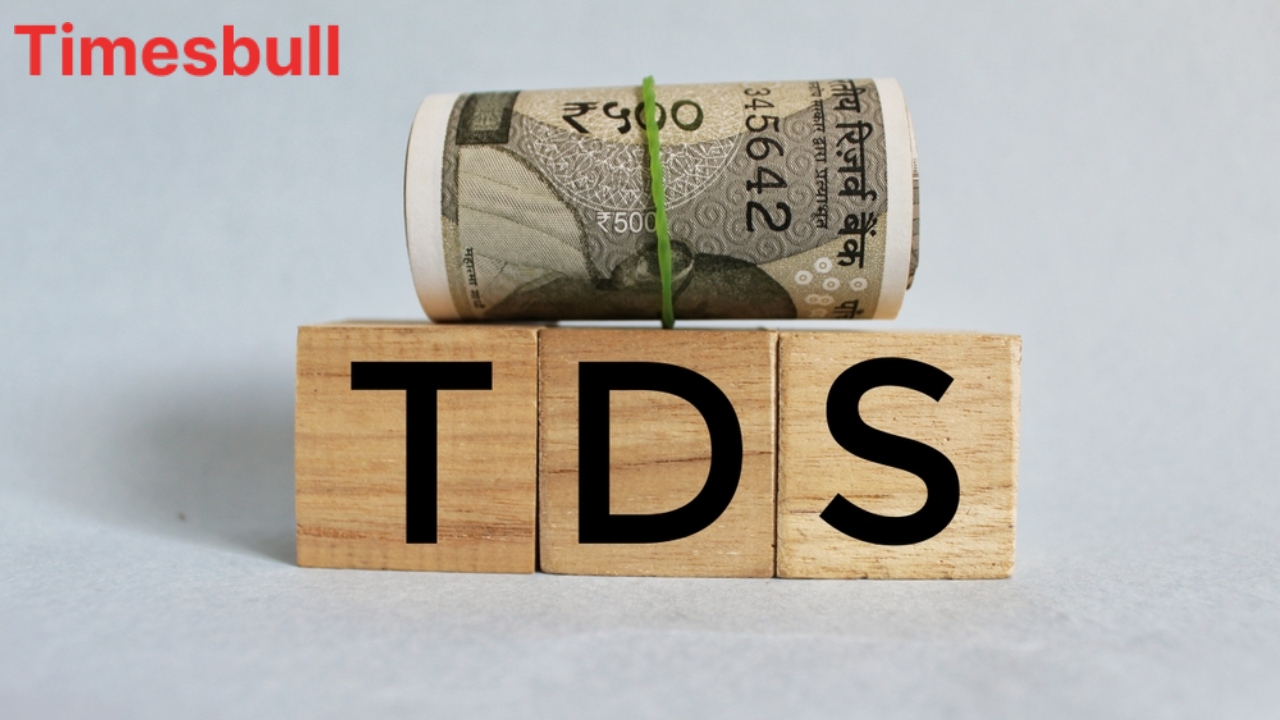
TDS Rules: There is a big update regarding TDS. A significant tax-related update for senior citizens is set to take effect on April 1, 2026. The previous Form 15H, which was used to prevent TDS (Tax Deducted at Source), will no longer be in use. It will be substituted with the new Form 121. This modification is being introduced under the Income Tax Act 2025, which aims to streamline the tax process and remove the inconvenience of filing multiple forms.
Now, all tasks will be handled through a single form.
In the past, there were two distinct forms: Form 15G for individuals under 60 and Form 15H for senior citizens. However, these have now been consolidated into the new Form 121, which is applicable to all eligible taxpayers. This change will help senior citizens by eliminating the need to remember different forms. The system will automatically apply the appropriate age-based regulations.
When is Form 121 applicable?
If a person’s total tax liability is zero and their income falls below the basic exemption limit, they can avoid TDS by submitting Form 121. This form should be provided to the bank or financial institution to ensure that tax is not deducted from their income.
What types of income does it cover?
The same types of income will be included under Form 121 as before, such as interest from bank FDs and savings accounts, pensions, mutual fund earnings, dividends, insurance payouts, and rental income. Overall, this change represents a move towards simplifying the process for senior citizens. It will decrease paperwork and facilitate the avoidance of TDS.
According to income tax rules, if your rent exceeds Rs 50,000 per month, you must deduct TDS (Tax Deducted at Source) before making the final payment of the financial year. Missing this step can mean facing penalties, interest, and unwanted scrutiny from the tax department.
Under current income tax provisions, individuals and Hindu Undivided Families (HUFs) not subject to tax audit are required to deduct 2% TDS on rent if the rent exceeds Rs 50,000 per month. This rule aims to monitor large rental transactions and ensure that landlords accurately report this income in their tax filings.
Gaurav Makhijani, tax head at Makhijani Gera & Associates, explains, “Individuals and Hindu Undivided Families not subject to tax audit should be aware of their TDS liabilities on rental payments. Where the monthly rent exceeds ₹50,000, 2% tax (TDS) is required to be deducted at source.”
Latest News
- PM Kisan Samman Nidhi Yojana: नहीं मिल रही 2000 रुपये की किस्त तो किसान तुरंत करवा लें यह काम

- Aadhaar Card Update Rules – How Many Times Can You Change Address, DOB & Number?

- Train Ticket: How to book a confirmed train ticket without an agent? Learn the Easy Steps

- Indian Railways– 155 Trains Express Declared High-Speed, Thousands of Railway Staff to Benefit

- Monsoon Alert – Warning Heavy to Very Heavy Rain alert & thunderstorms in 22 States Over Next 4 Days

- America-Iran War: मिडिल ईस्ट में तनाव होगा खत्म! ईरान ने होर्मुज रास्ते पर कही बड़ी बात

- PM Surya Ghar Yojana 2026: Get Up to Rs 78,000 Subsidy within 6 Easy Steps, Know Here

- Cheapest Available 5G Smartphones in India Under 10000

- UPSC Prelims Answer Key 2026 – How to Download UPSC Prelims Answer Key at upsc.gov.in
- 8th Pay Commission: एनपीएस और पुरानी पेंशन में कौन सी बेहतर, जानिए बड़ा अपडेट