
Success Story: Quitting His Job to Take Up Farming, Now Earning Rs 50 Lakh Annually
Success Story: R. Narasimman of Trichy district, Tamil Nadu, achieved what millions of farmers today aspire to. Once a corporate employee, Narasimman embraced farming in 1998, dreaming of a peaceful and self-sufficient life. His beginnings were humble, but through continuous learning, he transformed farming into

 Join Us
 Add as a preferred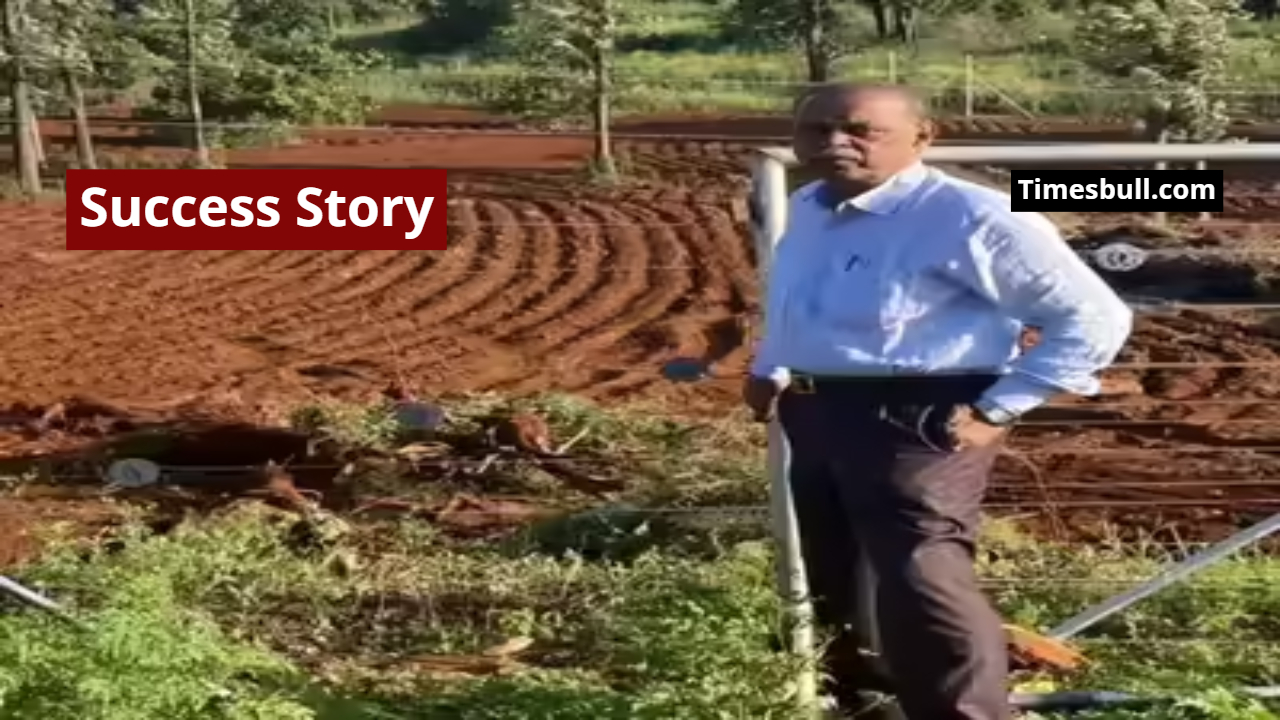
Success Story: R. Narasimman of Trichy district, Tamil Nadu, achieved what millions of farmers today aspire to. Once a corporate employee, Narasimman embraced farming in 1998, dreaming of a peaceful and self-sufficient life. His beginnings were humble, but through continuous learning, he transformed farming into a modern and sustainable model that is now being appreciated nationwide.
Read More- Easy Chair Yoga Exercises to Reduce Belly Fat While Sitting
Leaving his job and starting a new journey in farming
During his corporate career, Narasimman had decided that his next phase of life would be spent surrounded by nature. With this vision, he returned to his farm and began cultivating Alphonso mangoes. Monoculture yielded substantial profits in the initial years, but weather risks and market fluctuations revealed its weaknesses. This instability inspired him to diversify his farming.
A Three-Tier Agroforestry Model Opens New Avenues
After extensive study and experimentation, Narasimman developed a three-tier model that maximises the use of every inch of land. The top layer is planted with trees like teak, red sandalwood, and silver oak, which offer high long-term returns. The second layer is dedicated to annual income-producing crops like mango, banana, and watermelon. The third layer is dedicated to pulses and seasonal crops. Approximately 25,000 silver oak trees alone generate an additional income of 10-15 lakh rupees per year.
The Courage to Adopt a Completely Organic Farming
In 2008, he shifted his entire farm to an organic model. The 16 indigenous cows on the farm are his main source of manure. This organic manure nourishes the soil and reduces costs. A solar-powered drip irrigation system and a 700-square-foot solar dryer make the farm completely sustainable. An example of his organic efforts is the record watermelon he grew in 2010, weighing 35.75 kg, which was sold for Rs 5,000 and made him a topic of discussion in the national media.
National Recognition and Awards
Narasimman’s farm has been adopted as a model by several institutions. This ecosystem can store rainwater, manage natural pests, and last for 20 years without additional intervention. He has been honoured with over 60 awards from various organisations, from NITI Aayog to the Indian Chamber of Food and Agriculture. His farm has now become a living laboratory for students from the BSc to PhD levels.
Read More- Cash Withdrawal Limit – This is how much cash you can withdraw in a day – Learn rules
New Directions for the Future: Wood and Agri-Tourism
Narasimman is now working with the Indian Forest Genetics Institute on the commercial production of indigenous wood species. His dream is to make India independent of wood imports. He believes that if every farmer plants ten trees every year, the country could virtually eliminate wood imports in the next ten years. They also plan to develop agri-tourism so that urban residents can understand this model up close. They believe that soil is a bank account and trees are a future pension. Their next generation is also taking an interest in this model.
Pal Rohit
Next Article
HBSE 10th Result 2026 – How to Check the result Via Roll Number, Direct Link bseh.org.in
Haryana Board 10th Result 2026: The Haryana Board is likely to release the Class 10 examination results this week. Students of the Haryana Board will be able to check their results by visiting the Board’s official website, bseh.org.in. To pass the examination, students must secure 33 percent marks.

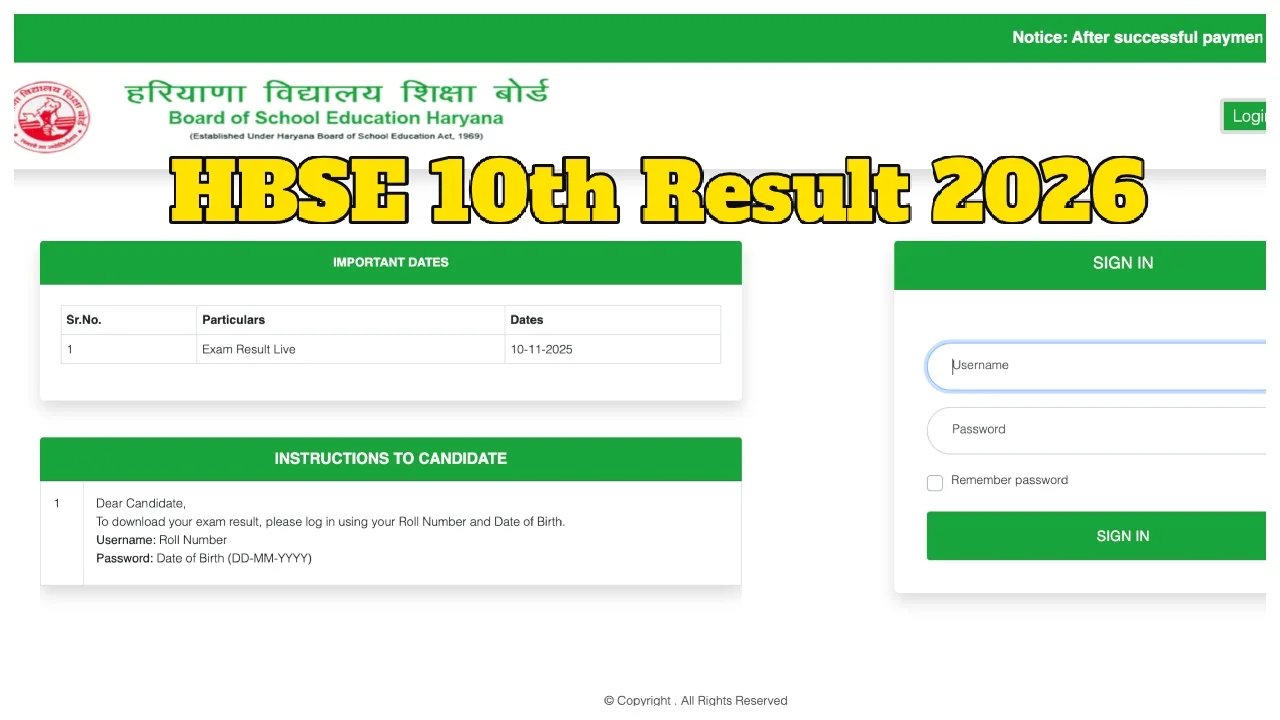
Haryana Board 10th Result 2026: The Board of School Education, Haryana (BSEH) has already released the Class 12 results, and Class 10 students are now eagerly awaiting their own. According to various media reports, the HBSE Class 10 Result 2026 is expected to be released sometime this week. The results will be published on the official Haryana Board website, where students can check their scores by entering their roll numbers. Students who appeared for the examination are advised to keep their roll numbers ready in advance to check their results promptly.
Check Your Result on These Websites:
bseh.org.in
results.bseh.org.in
digilocker.gov.in
Write a Comment