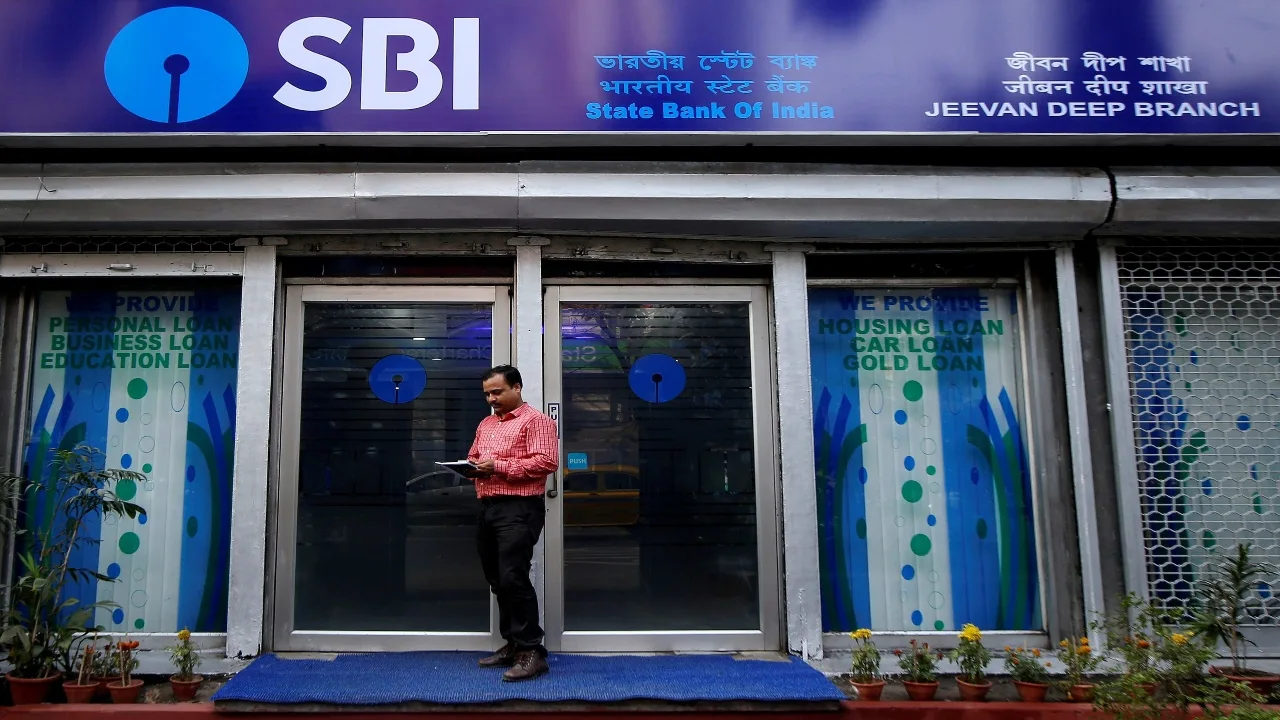
SBI Home Loan Interest Rates: If you are dreaming of building a house, this news could be very important for you. The country’s largest bank, SBI, has reduced home loan interest rates by 0.25 percent. After this reduction, taking out a loan from SBI has become easier. Currently, home loan interest rates start at 7.25 percent per annum.
The RBI recently reduced the repo rate from 5.50 percent to 5.25 percent. Following this, banks have reduced interest rates on FDs and loans. HDFC Bank and PNB, along with 5 other banks, had already reduced home loan interest rates by 0.25 percent.
Read Here: PM E-Drive: FAME-II Subsidy Sets Record, 11.3 Lakh EV Vehicles Sold in Just One Year
It’s important to note that the interest rate you get on your home loan depends on several factors. These include your credit score, loan-to-value ratio, loan amount, and tenure. For example, if your bank’s home loan interest rate was 8 percent, after the 0.25 percent reduction, it will become 7.75 percent. After the reduction, the EMI on a ₹20 lakh loan over 20 years will decrease by ₹310. Similarly, for a ₹30 lakh loan, the EMI will decrease by ₹456. Both new and existing customers will benefit from this.
For Loan Borrowers
If you want to take out a new home loan, you will now have to pay less interest. According to reports, SBI’s new home loan interest rate previously started at 7.70 percent, but now it will be reduced to 7.25 percent. Those who have already taken out a floating rate home loan linked to the RLLR will also see their interest rate reduced during the reset period. This will either reduce the loan EMI or shorten the loan tenure.
Read Here: Realme Narzo 90 vs Narzo 90x: Which is most important difference for performance camera and more
If the loan is linked to a fixed rate, there will be no benefit. Banks determine their loan interest rates based on the RLLR when the repo rate is reduced. If the repo rate decreases, the RLLR (Repo Linked Lending Rate) also decreases, leading to lower loan interest rates. Banks add their own margin to the repo rate to arrive at the RLLR, which covers their costs and ensures profitability.
Latest News
- PM Kisan Samman Nidhi Yojana: नहीं मिल रही 2000 रुपये की किस्त तो किसान तुरंत करवा लें यह काम

- Aadhaar Card Update Rules – How Many Times Can You Change Address, DOB & Number?

- Train Ticket: How to book a confirmed train ticket without an agent? Learn the Easy Steps

- Indian Railways– 155 Trains Express Declared High-Speed, Thousands of Railway Staff to Benefit

- Monsoon Alert – Warning Heavy to Very Heavy Rain alert & thunderstorms in 22 States Over Next 4 Days

- America-Iran War: मिडिल ईस्ट में तनाव होगा खत्म! ईरान ने होर्मुज रास्ते पर कही बड़ी बात

- PM Surya Ghar Yojana 2026: Get Up to Rs 78,000 Subsidy within 6 Easy Steps, Know Here

- Cheapest Available 5G Smartphones in India Under 10000

- UPSC Prelims Answer Key 2026 – How to Download UPSC Prelims Answer Key at upsc.gov.in

- 8th Pay Commission: एनपीएस और पुरानी पेंशन में कौन सी बेहतर, जानिए बड़ा अपडेट