
PM E-Drive: FAME-II Subsidy Sets Record, 11.3 Lakh EV Vehicles Sold in Just One Year
PM E-Drive: India's electric vehicle policy is no longer limited to initial incentives but appears to be moving towards a sustainable and robust framework. An independent study released by the Council on Energy, Environment and Water's Green Finance Centre provides a clear picture of this

 Join Us
 Add as a preferred
PM E-Drive: India’s electric vehicle policy is no longer limited to initial incentives but appears to be moving towards a sustainable and robust framework. An independent study released by the Council on Energy, Environment and Water’s Green Finance Centre provides a clear picture of this transformation. According to the report, the PM E-Drive scheme supported the sale of 11.3 lakh electric vehicles in its very first year, reflecting both the direction of the policy and the maturity of the market.
Read More- Silver Rate Live Today – Check 1kg Silver Rates in City – Wise
Strong Demand Even with Lower Subsidies
The most remarkable aspect of this achievement is that the incentive per vehicle under PM E-Drive was approximately half that of the FAME-II scheme. Despite this, the rapid increase in sales indicates that India’s EV market has moved beyond the subsidy-dependent initial phase. Consumer confidence, improved technology, and lower operating costs are now making EVs an attractive option in their own right.
The Journey from FAME-II to PM E-Drive
The CEEW-GFC report states that the FAME-II scheme laid the foundation for electric mobility in the country. In contrast, PM E-Drive has built upon that foundation, emphasising efficiency and sustainability. According to the data, annual EV sales under PM E-Drive have been approximately 3.4 times higher than under FAME-II. This shift reflects the maturity of the policy and the robustness of the market.
The Pace of Electrification in the Automotive Sector
India’s automotive sector, which contributes more than 7 percent to the GDP and provides employment to millions of people, is rapidly moving towards an electric future. While electric vehicle sales were limited to a few thousand units in FY 2014-15, this number reached approximately 19.6 lakh units in 2024-25. The share of EVs in total vehicle sales has now reached about 7.5 percent, indicating a major structural shift. The Changing Landscape of the EV Segment
According to the report, electric three-wheelers dominated the market in the initial years, but this situation is now changing. Electric two-wheelers have witnessed tremendous growth since FY 2021-22. By 2024-25, this segment has become the largest EV category, with sales exceeding 11.5 lakh units. This shift indicates that EVs are no longer limited to commercial needs but are also gaining rapid acceptance among general consumers.
New Challenges for Policymakers
CIIW experts believe that such high sales, even with reduced incentives, prove that several segments of the market have become self-sustaining. However, disparities in the pace of adoption persist across states and different vehicle categories. This makes it clear that future policies cannot be based solely on uniform subsidies but will require targeted strategies and robust charging infrastructure.
Disparities in EV Adoption Across States
Despite the positive national picture, regional disparities in EV adoption are evident. States like Delhi, Goa, and Karnataka have a relatively higher share of electric two-wheelers and four-wheelers. Meanwhile, states like Bihar and Tripura are still dominated by electric three-wheelers. Even under the PM e-Drive scheme, some categories performed better than the set targets, while others lagged behind.
Read More- Another team India batter unwell, admitted in hospital— know details
Way Forward and Policy Recommendations
CIIW-GFC suggests that the target of 30 percent EV adoption by 2030 should be formally incorporated into the national policy. Along with this, emphasis should be placed on sub-targets based on vehicle categories, better coordination among states, and data transparency. The report also suggests that resource allocation should be flexible and responsive to demand, so that India’s electric vehicle transition is not only accelerated but also balanced and inclusive.
Rohit P
Next Article
IPL 2026: आईपीएल के बीच भारतीय टीम का ऐलान, वैभव को मिली जगह, चेक करें लिस्ट
इंडियन प्रीमियर लीग (Indian Premier League) की गूंज के बीच भारतीय क्रिकेट कंट्रोल (bcci) ने बड़ा फैसला लेते हुए टीम का ऐलान कर दिया है. बीसीसीआई की ओर से भारत की ए टीम की घोषणा में काफी चौंकाने वाले फैसला लेने के साथ भविष्य की इबारत लिखने की कोशिश की गई है.

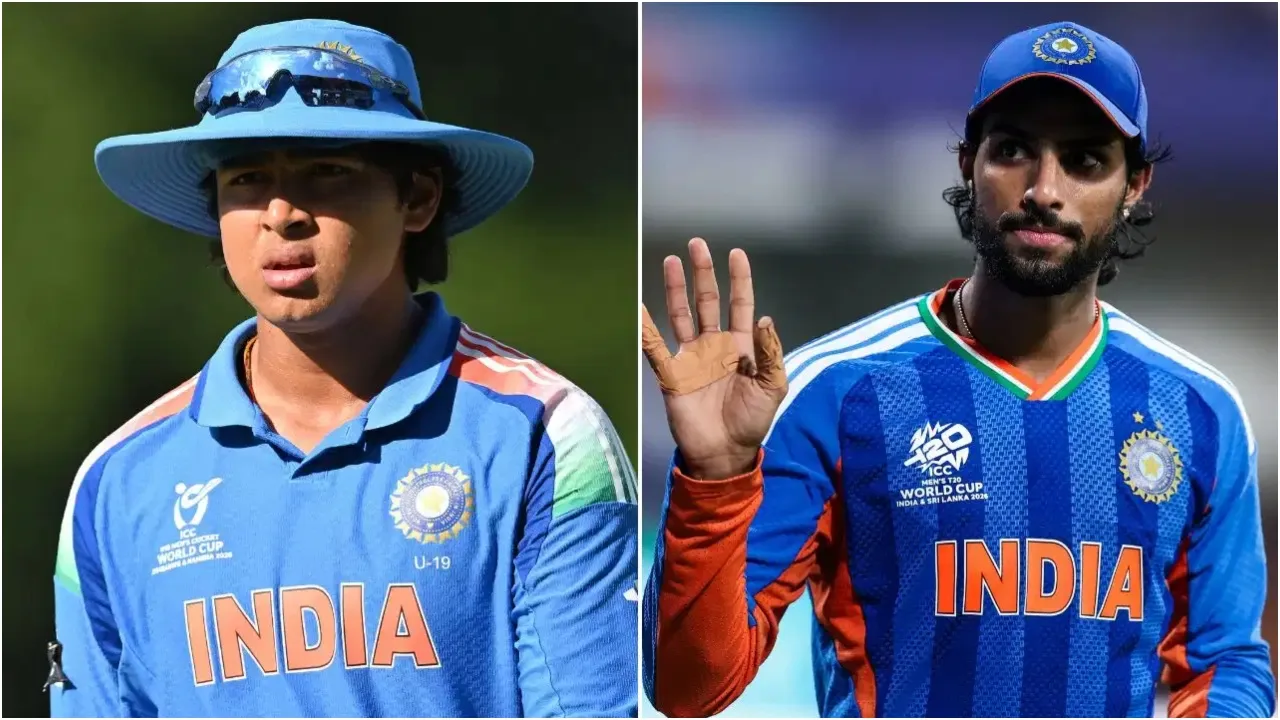
India A Squad For ODI Tri Series: इंडियन प्रीमियर लीग (Indian Premier League) की गूंज के बीच भारतीय क्रिकेट कंट्रोल (bcci) ने बड़ा फैसला लेते हुए टीम का ऐलान कर दिया है. बीसीसीआई की ओर से भारत की ए टीम की घोषणा में काफी चौंकाने वाले फैसला लेने के साथ भविष्य की इबारत लिखने की कोशिश की गई है. भारत की ए टीम की घोषणा की गई, जो श्रीलंका में वनडे सीरीज खेलेगी.
आईपीएल में मुंबई इंडियंस के लिए कमाल की बल्लेबाजी कर रहे तिलक वर्मा को भारतीय ए टीम का कप्तान बनाया गया है. इसके साथ ही 15 साल के धाकड़ बल्लेबाज वैभव सूर्यवंशी भी टीम का हिस्सा बनाए गए हैं. रियान पराग को भारत ए टीम की उपकप्तानी सौंपी गई है. आईपीएल में पंजाब किंग्स के लिए धमाकेदार खेल रहे प्रियांस आर्या को भी टीम का हिस्सा बनाया गया है.
Write a Comment