The Reserve Bank of India (RBI) has recently issued new and very important rules for financial companies, including banks, related to investment in Alternative Investment Funds (AIFs). This new regulatory framework, named ‘Reserve Bank of India (Investment in AIFs) Guidelines, 2025’, will be effective from January 1, 2026.
However, as per their internal policy, financial institutions can adopt these rules earlier. These guidelines will apply to all Regulated Entities (REs), including commercial banks, co-operative banks, all-India financial institutions, housing finance companies, and non-banking financial companies (NBFCs). This move by the RBI is a big effort towards ensuring financial stability and transparency.
What are the new rules
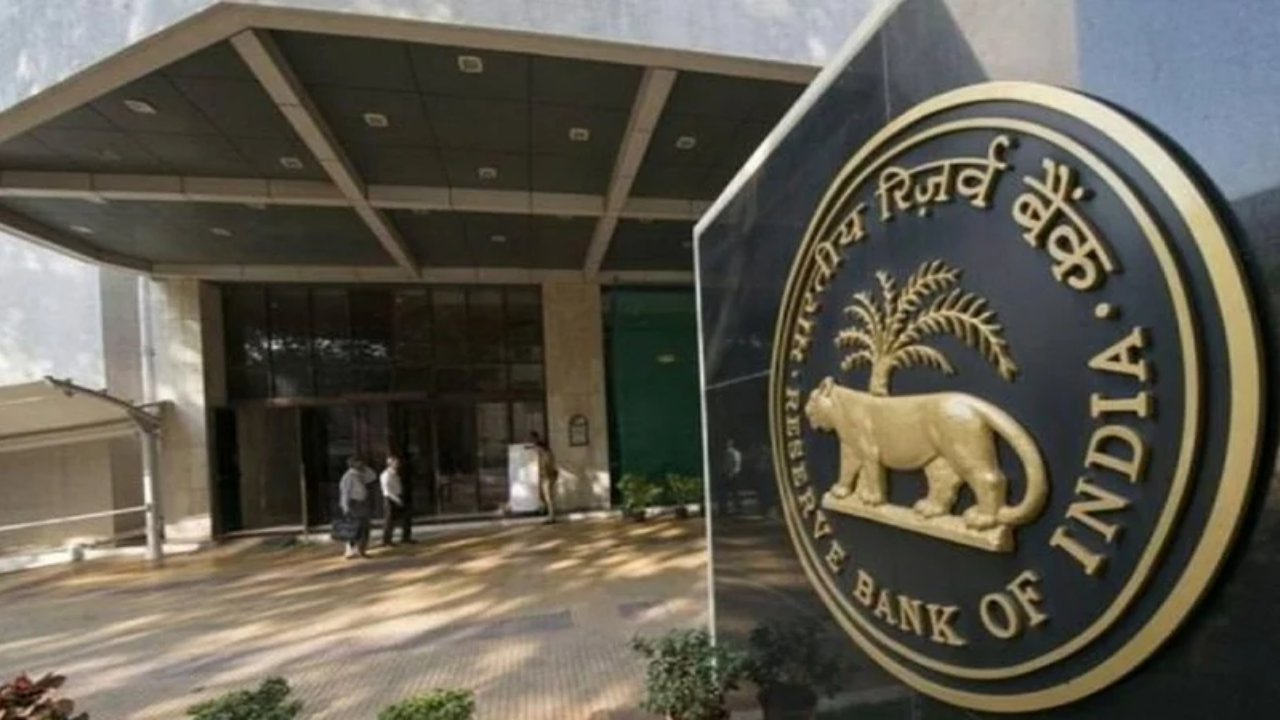
Under the new guidelines, RBI has imposed certain significant limits on investments by REs in AIFs, which will help prevent practices such as “evergreening of loans”. No regulated entity (RE) will be allowed to invest more than 10% of the total corpus of any Alternative Investment Fund (AIF) scheme. This move has been taken to reduce excessive risk to a single entity. Also, all regulated entities together will not be able to contribute more than 20% of the total corpus of any single AIF scheme. This will ensure that the risk is spread and there is no excessive dependence on a single AIF.
If a RE contributes more than 5% of the total corpus of an AIF scheme, and that AIF has an investment in a “debtor company” with which the RE is also related (i.e. the RE has invested other than debt or equity to that company in the previous 12 months), then the RE is required to make 100% provisioning on its proportionate investment made in the debtor company through the AIF scheme. This provisioning will be limited to the RE’s direct exposure to the debt or investment in that debtor company. This rule is specifically designed to prevent ‘evergreening’, where bad debts are hidden through new investments.
If a RE invests in subordinated units of an AIF scheme (such as sponsor units), it will have to deduct the entire investment from its capital funds – this deduction will be equally applicable from both Tier-1 and Tier-2 capital (where applicable).
What is a Debtor Company
According to RBI, Debtor Company means any company that has received investment other than debt or equity from a regulated entity (RE) during the previous 12 months. This definition targets situations where REs can indirectly finance their own distressed borrower companies through AIFs.
Who is exempted
Despite these stringent rules, exemptions have also been given in some special cases. Investments or commitments made with the prior approval of the RBI under the ‘Master Direction – Financial Services to be Provided by Banks, 2016’ will remain exempt from the new contribution limits. RBI, in consultation with the government, may also exempt certain Alternative Investment Funds (AIFs) from these rules. This may be for AIFs that have been set up for strategic purposes.

Old rules repealed, new rules to be followed now
With this update, RBI has repealed its previous rules issued on AIF investments in December 2023 and March 2024. Now, the ‘Reserve Bank of India (Investment in AIFs) Guidelines, 2025’ will have to be followed. However, existing investments (made under commitments up to the effective date) can continue under either the old or the new rules. It will be up to the banks or NBFCs to decide which rules they wish to follow, provided they exercise this option consistently and fully.
RBI said that it has updated these norms after reviewing the feedback received from the industry and the latest rules issued by SEBI for AIFs (on due diligence of investors and investments). It aims to strengthen risk management processes in the financial sector and ensure regulatory uniformity.
Latest News
- LSG Vs PBKS Video: ऋषभ पंत पर भड़के अर्जुन तेंदुलकर! वीडियो देखकर आप भी रह जाएंगे हैरान

- Apple MacBook Neo Deal Alert: Get It For Under ₹58,000 on Amazon Right Now

- Pakistan Attack: आत्मघाती हमले से दहला पाकिस्तान, 23 लोगों की मौत, 50 से ज्यादा घायल, जानें

- Honor Magic 9 Series Leaks: Flagship Upgrades with Massive 8,000mAh Battery and 200MP Cameras

- Motorola Edge 60 Fusion Review: Mid-Range King or Outdated?

- FD Update– Breaking Your FD Early? Know the consequences

- Bank Holiday–RBI Announces Closure of SBI, HDFC and All Banks Next Week, Save the Dates

- Samsung Galaxy S26 Ultra Amazon Deal – Get ₹23,509+ Discount with Bank Offers and Exchange Benefits

- Best Scooters For College Girls 2026 – Perfect Mix Of Mileage, Style And Lightweight Design

- Kodak Matrix QLED Google TV 2026 Series Launched in India Just Under 10,999