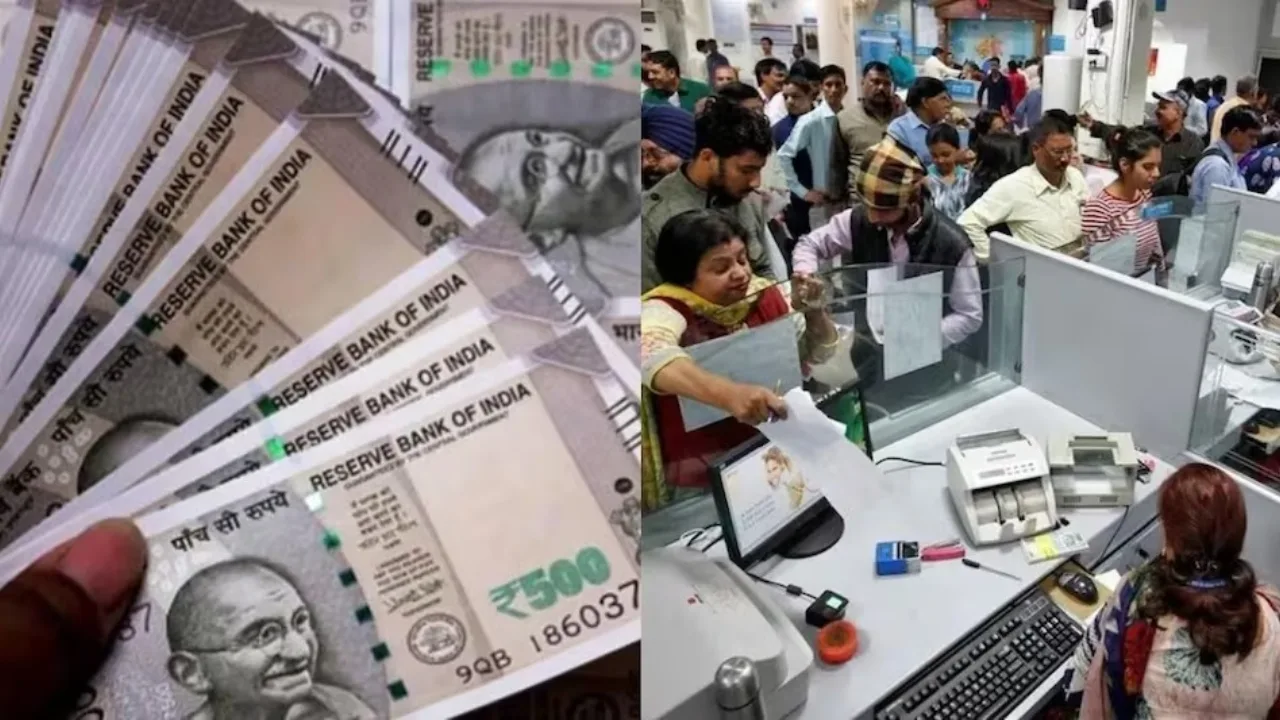

PPF Interest Rate: The Public Provident Fund (PPF) is one of the most reliable and favored small savings options in the country. Millions of individuals invest in it because of its secure nature, guaranteed returns, and tax-exempt earnings. Right now, PPF is providing an interest rate of 7.1%, which surpasses the fixed deposits of many major banks.
Importantly, the government hasn’t altered the PPF interest rate since April 1, 2020. As we approach the quarterly review meeting scheduled for December 31, 2025, there are growing concerns about whether the government will cut the PPF interest rate this time or keep it unchanged.
Two key factors play a crucial role in setting the PPF interest rate—the yield on 10-year government bonds (G-Secs) and the inflation rate (CPI). According to the Shyamala Gopinath Committee’s recommendations, the interest rates for small savings schemes are based on government bond yields, with an extra margin of about 0.25% added. The average yield on a 10-year G-Sec from September to December 2025 has been around 6.54%. When you add 0.25% to this, the resulting rate is about 6.79%, which is lower than the current PPF rate of 7.1%. This indicates that, based on the available data, the government has room to lower the interest rate.
Retail inflation was recorded at 0.71%
The situation is quite similar regarding inflation. Retail inflation in November 2025 was at 0.71%, which is higher than the historic low of 0.25% in October, yet still relatively low. Experts suggest that during periods of low inflation, the real returns on schemes like PPF tend to be quite favorable. Naik Sheth from the Chartered Accountant Forum mentions that low and stable inflation tends to exert pressure to lower interest rates in the long run, although the government does not solely base PPF rates on inflation.